Scientific Conferences

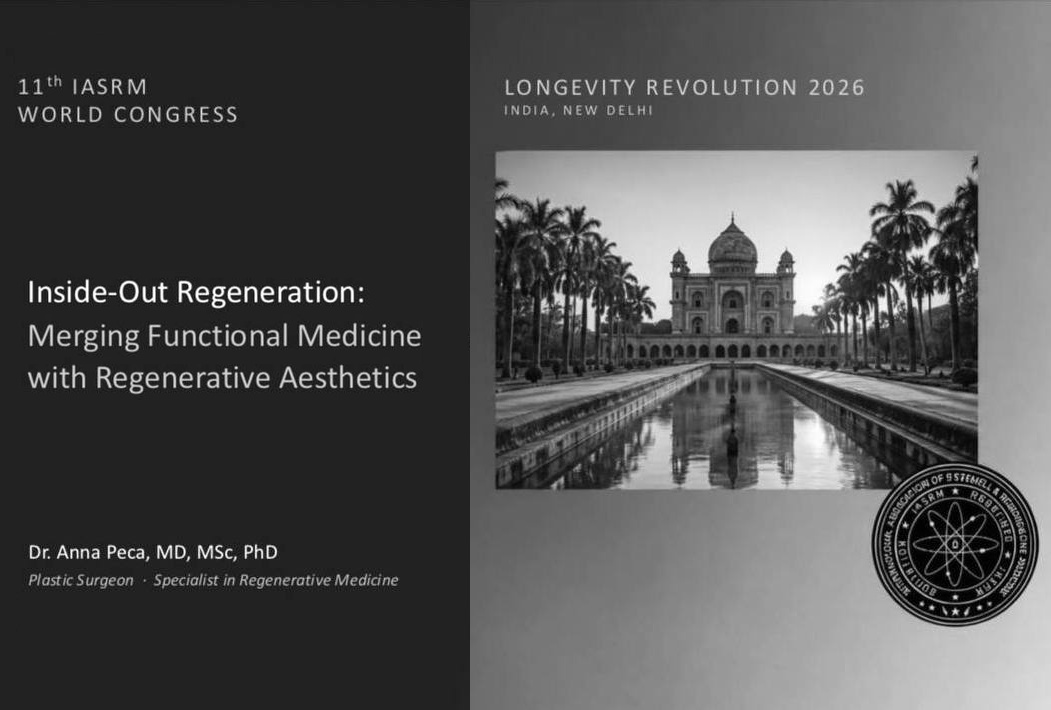
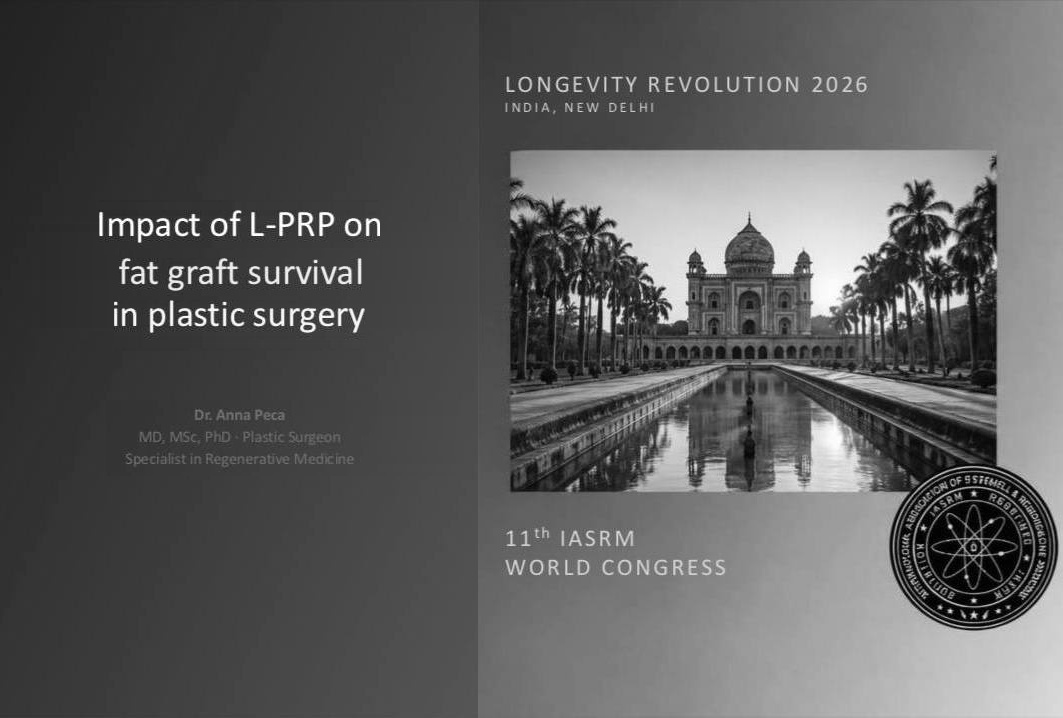
11th IASRM World Congress, Longevity Revolution, 2026

New Delhi, India

25/09/2026

Impact of L-PRP on fat graft survival in plastic surgery

Fat Is Not a Filler. It Is Living Tissue.

Fat transfer is one of the most natural ways to restore volume. Your own fat is gently taken from one area, purified and moved to where it’s needed, such as the face or breasts. But there has always been one big challenge: not all of the transferred fat survives. Studies report that only 20 to 60% of it stays, which makes results hard to predict.
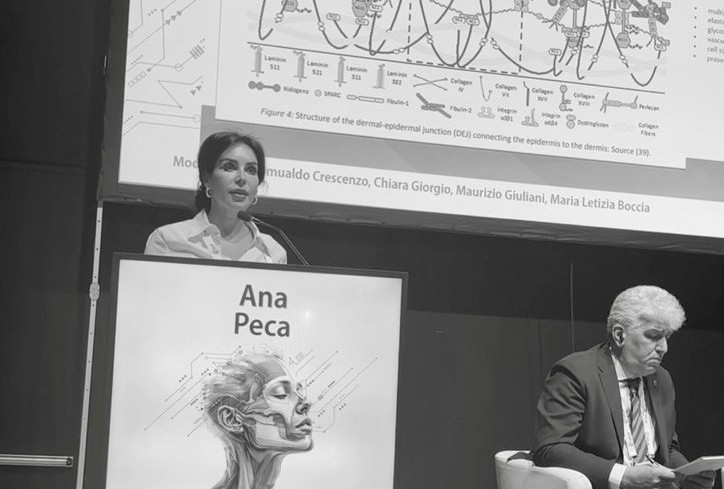
At the 11th IASRM World Congress in New Delhi, Dr. Anna Peca presented her PhD research on a simple question: can growth factors from your own blood help more of the fat survive?

Finding the most effective PRP
PRP (platelet-rich plasma) is made from a small sample of your blood, concentrated to capture platelets and the growth factors they release. But not all PRP is the same. In the first phase of her research, Dr. Peca compared different ways of preparing it in the lab. The clear winner was L-PRP, a preparation that captures the maximum number of platelets and delivered significantly more growth factors than the other methods.

What happened in patients
In the second phase, 63 patients having fat transfer were followed for up to a year. One group had fat alone, the other had fat enriched with their own L-PRP. Ultrasound scans and tissue samples showed a clear difference. In the L-PRP group, much less of the fat broke down, less scar tissue formed, and new blood vessels grew into the transferred fat. The tissue looked much closer to healthy, natural fat.

Why it works
Transferred fat needs a blood supply to survive. L-PRP helps new blood vessels form early, calms the healing process and reduces scarring. The result is not only more fat that stays, but better quality tissue and more stable, longer-lasting volume.

Preparing the patient, not just the PRP
PRP is made from your blood, so its quality depends on your health. That’s why a simple blood check before treatment matters. If there are signs of infection or
active inflammation, the priority is to stabilise first and stimulate later.

What’s next
PRP was the beginning, not the destination. The field is now moving towards PRP secretome, a purer, more standardised form that concentrates the healing signals your platelets release, for even more predictable results.

Is this right for you?
If you’re considering fat transfer to restore volume, a consultation will help you understand which approach suits your goals and your body best.

Yuron 10-year rule

Only what your biology actually needs.

Find out more