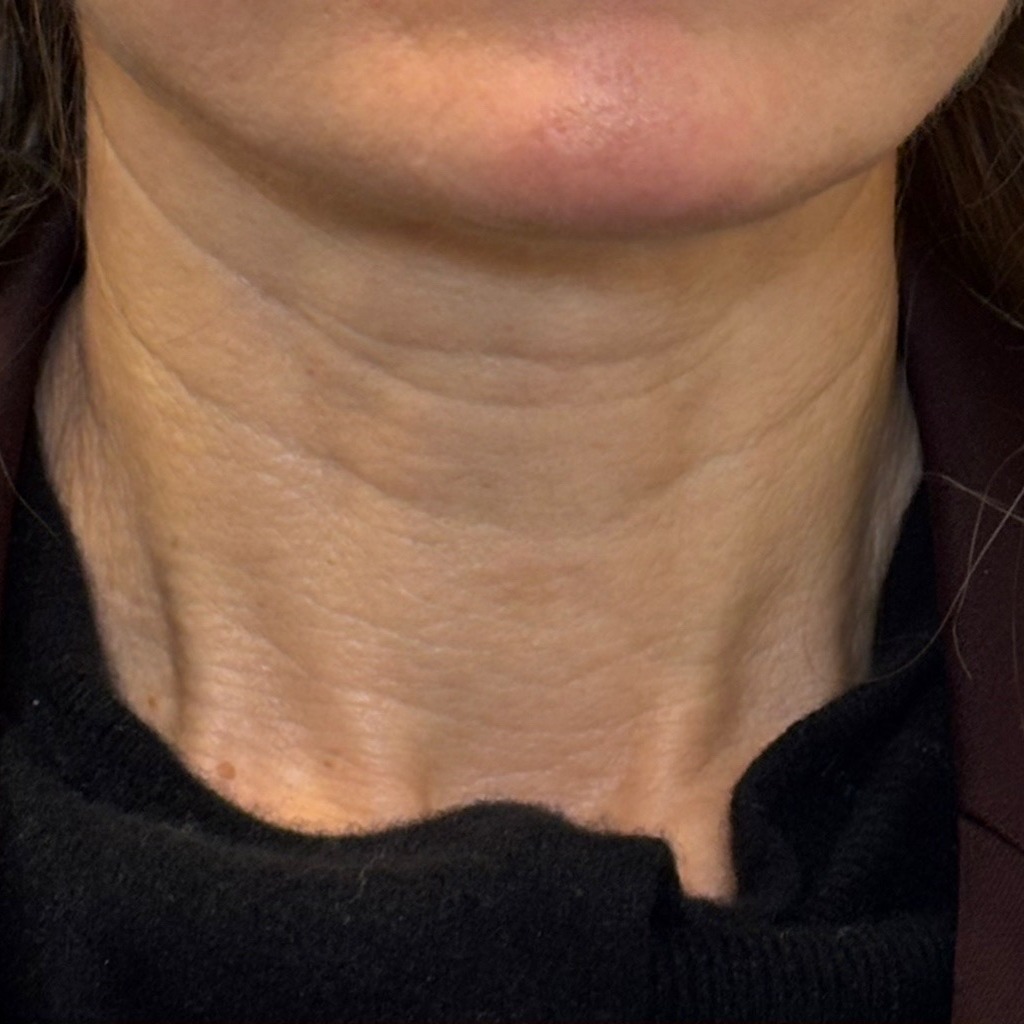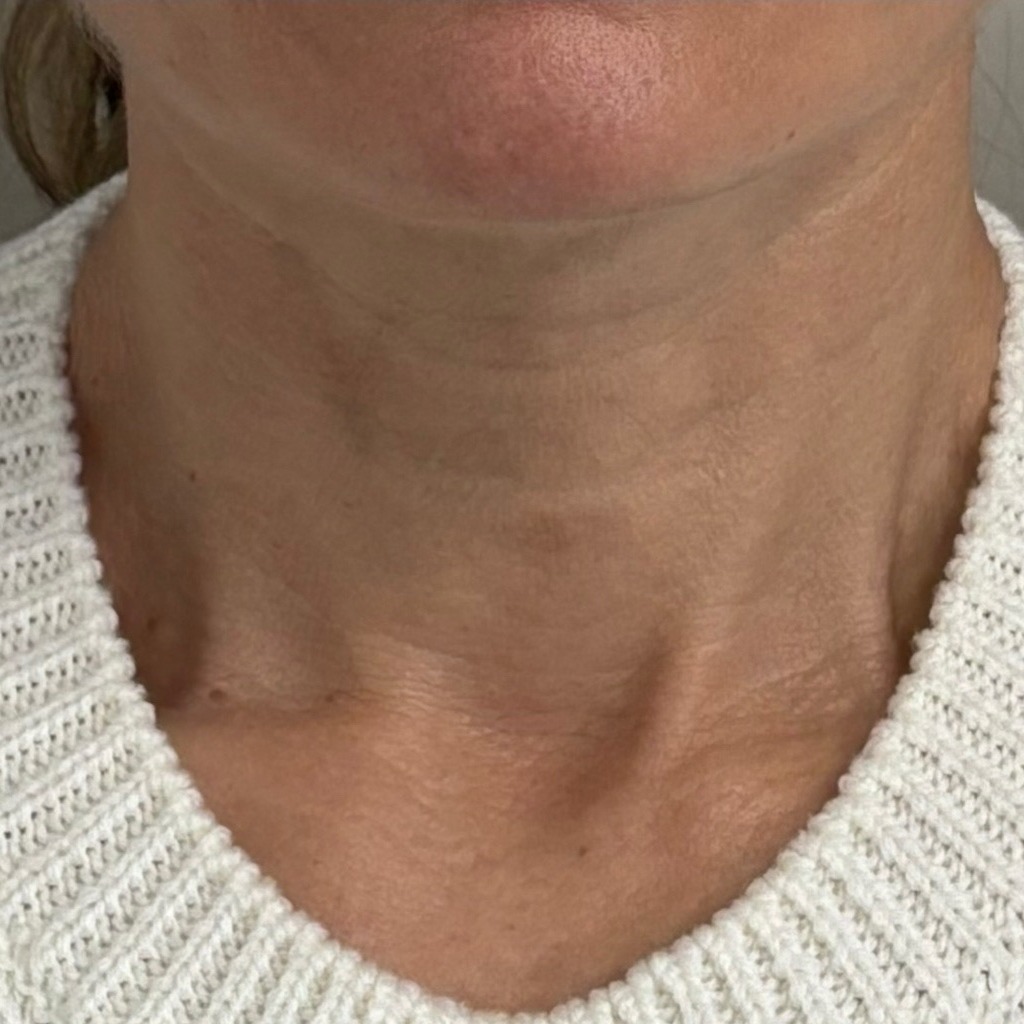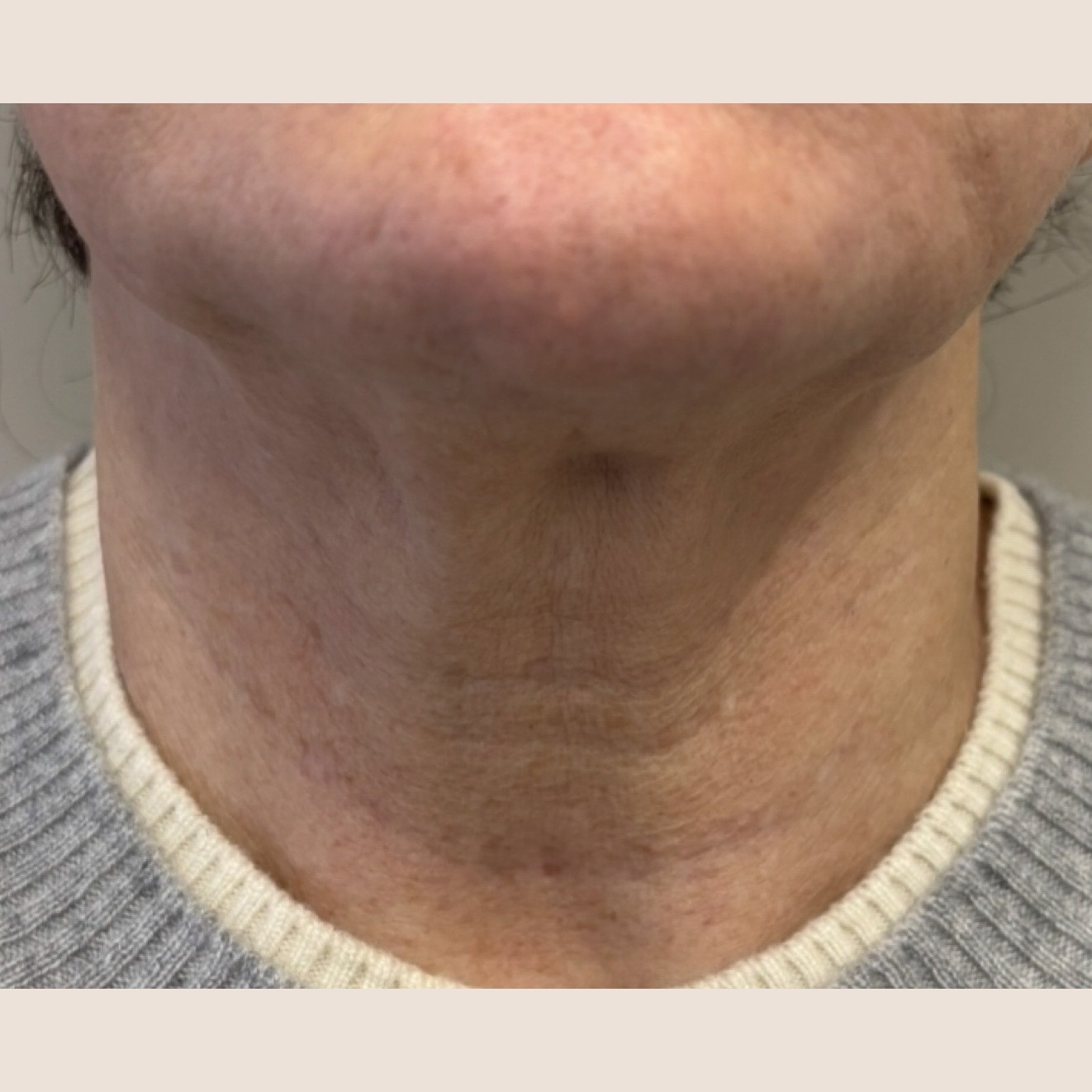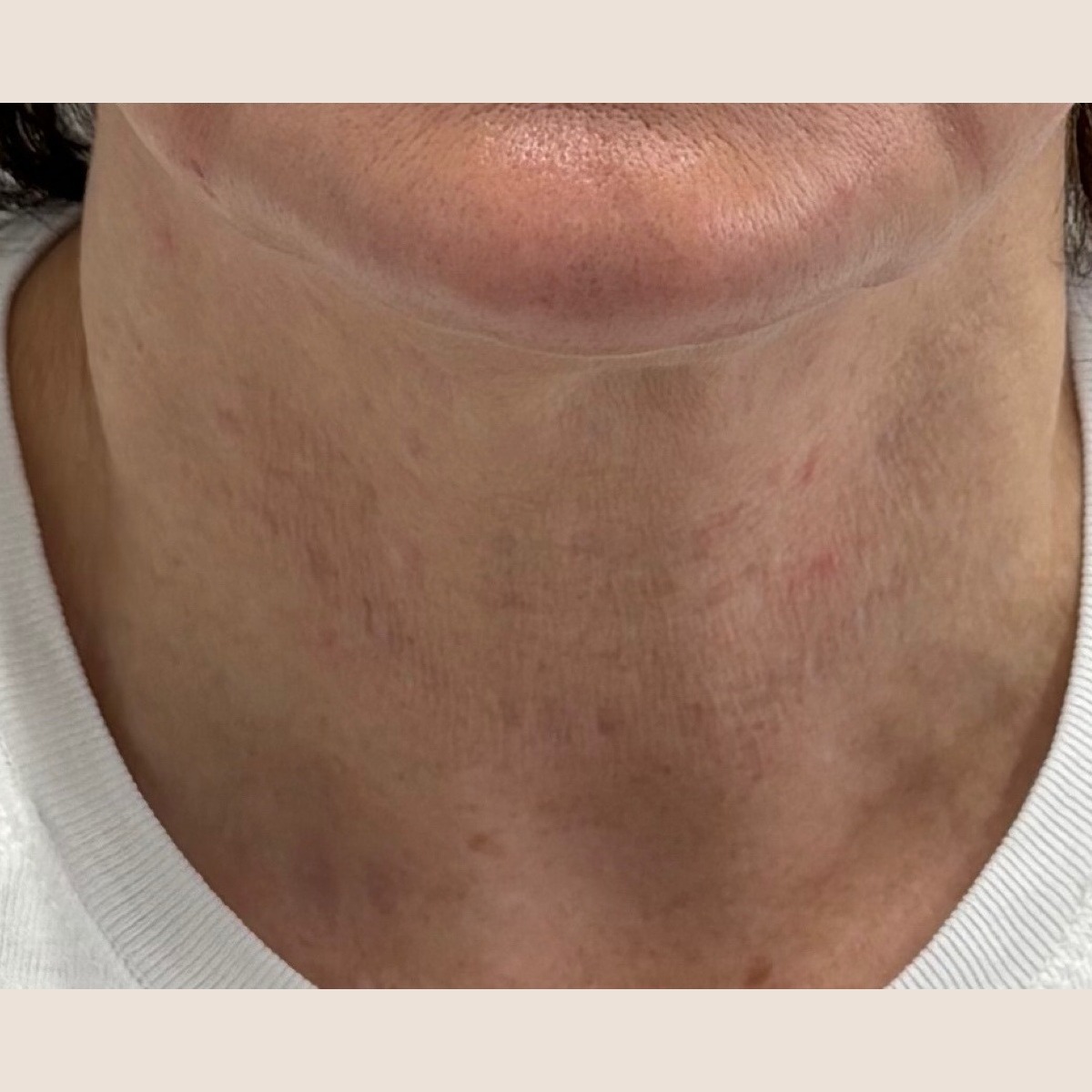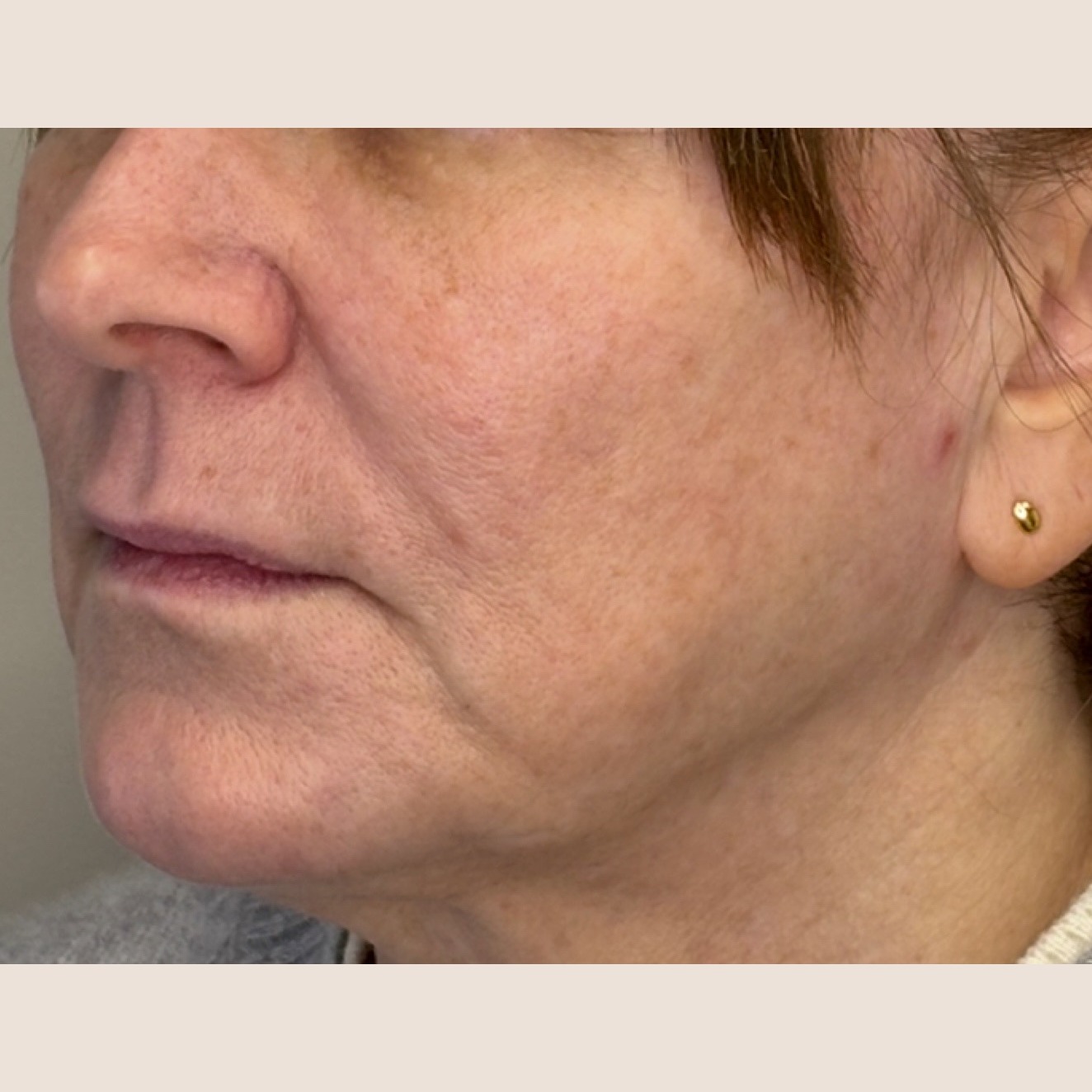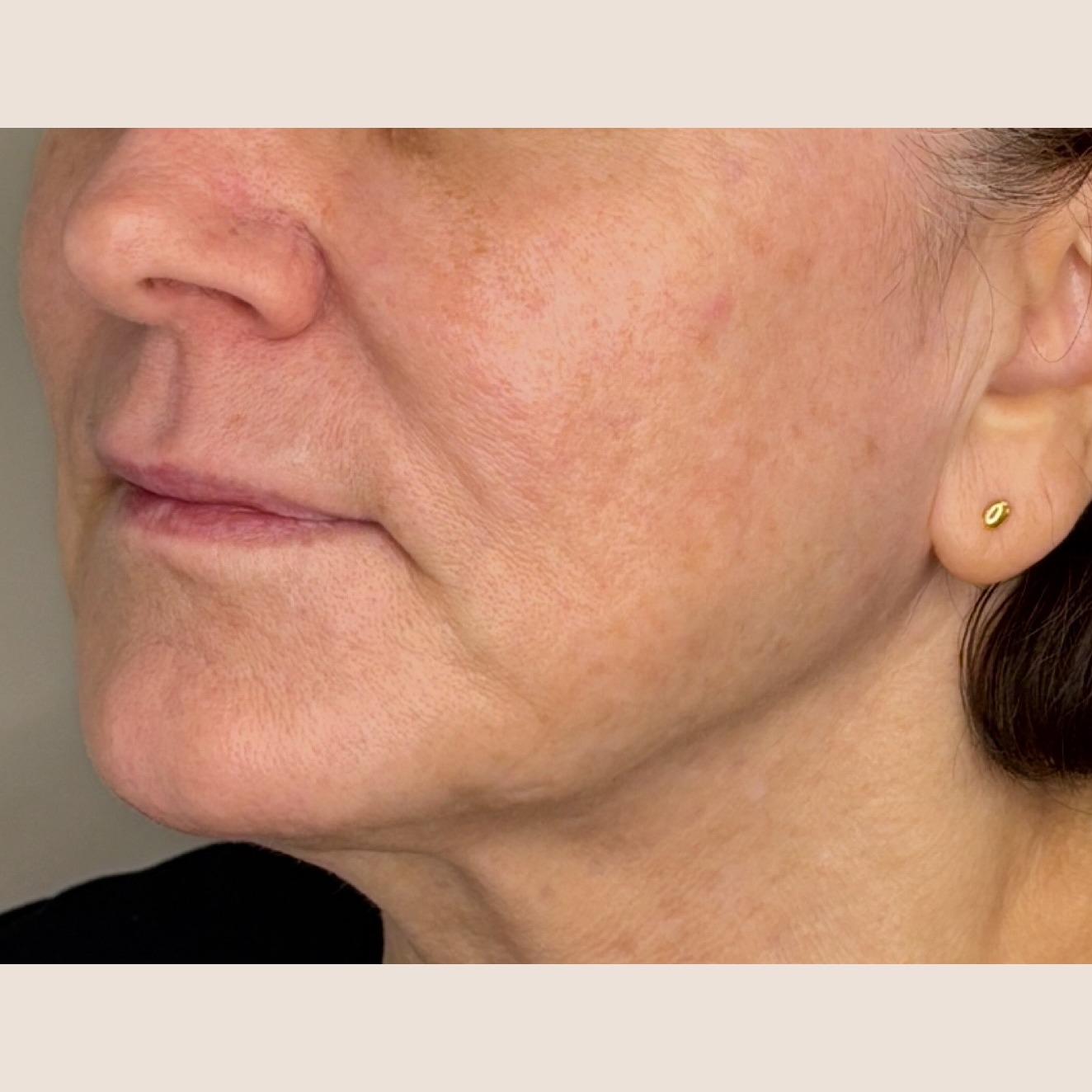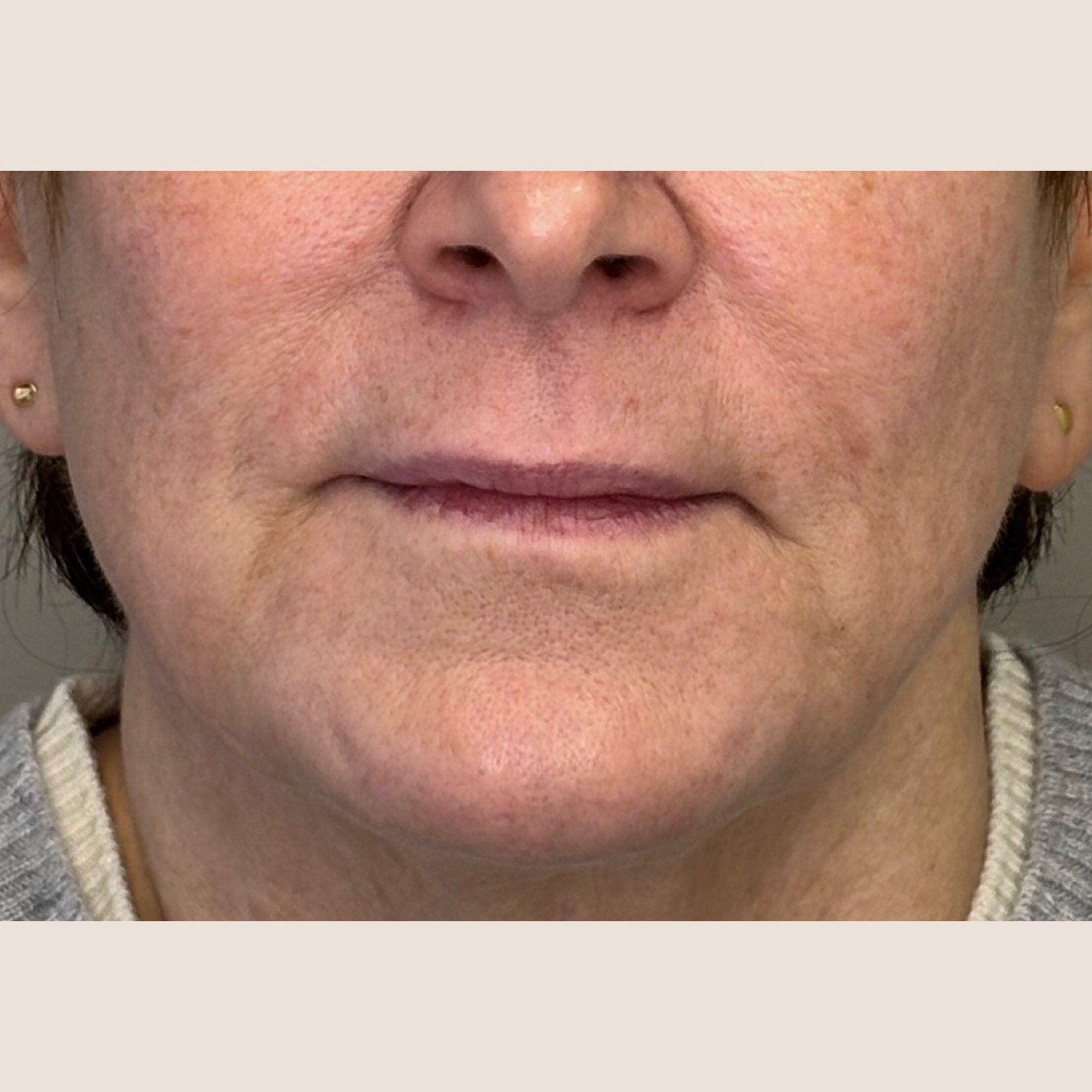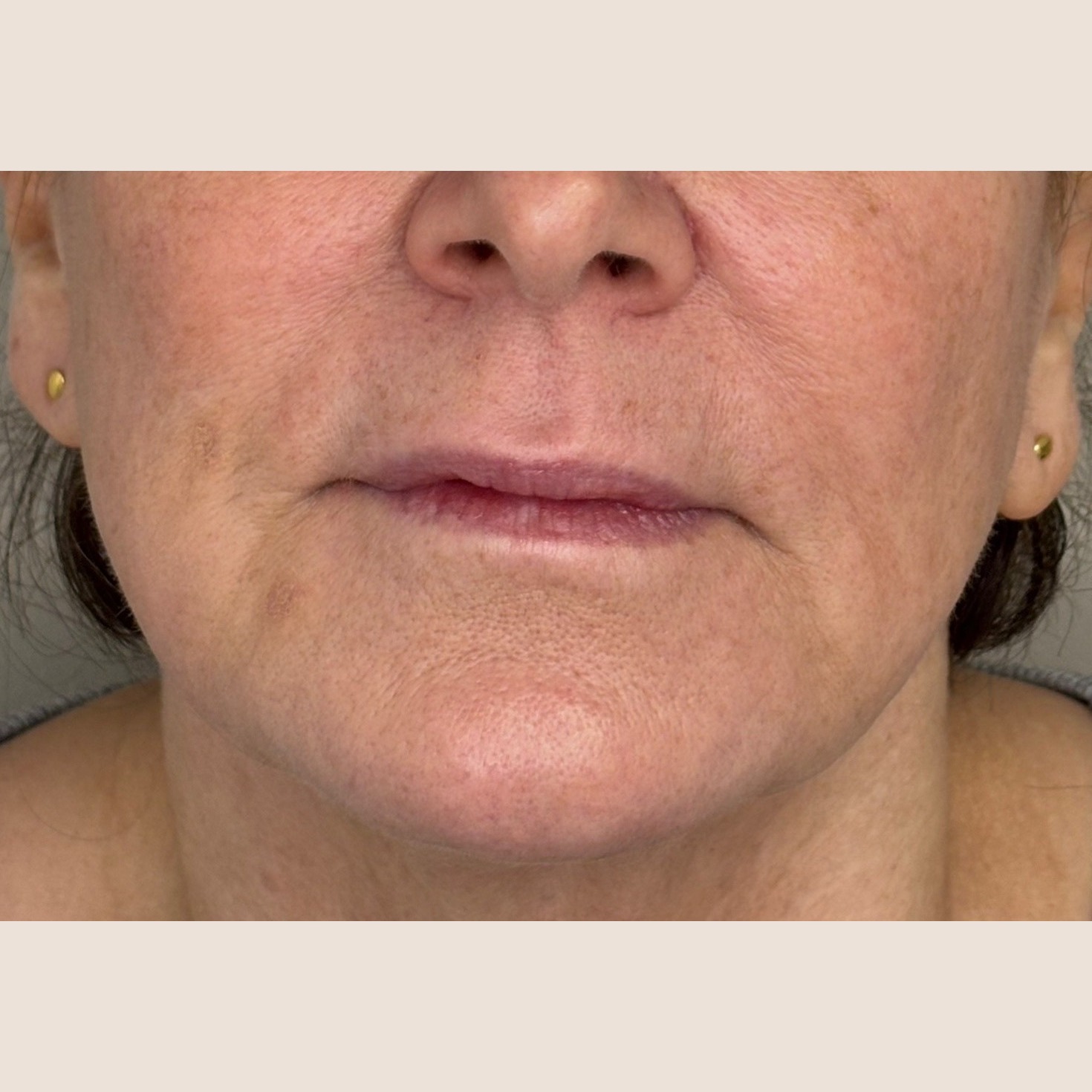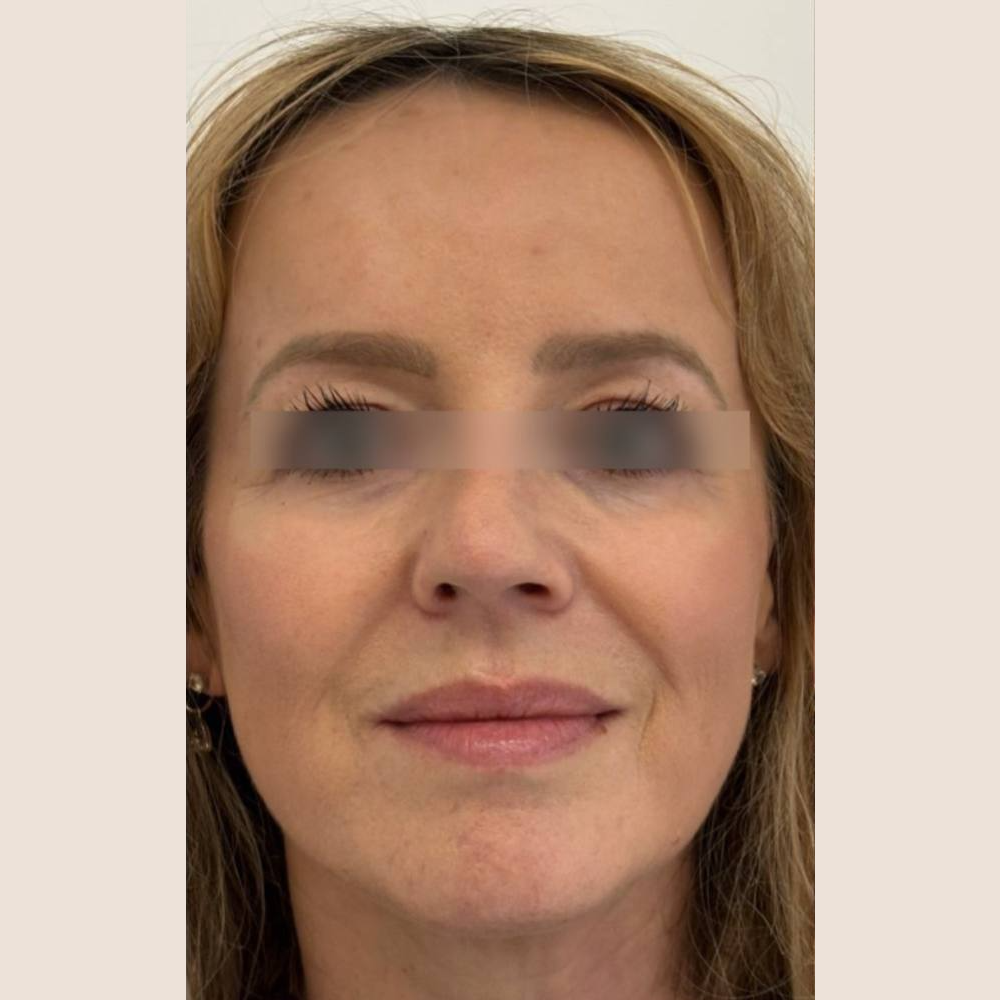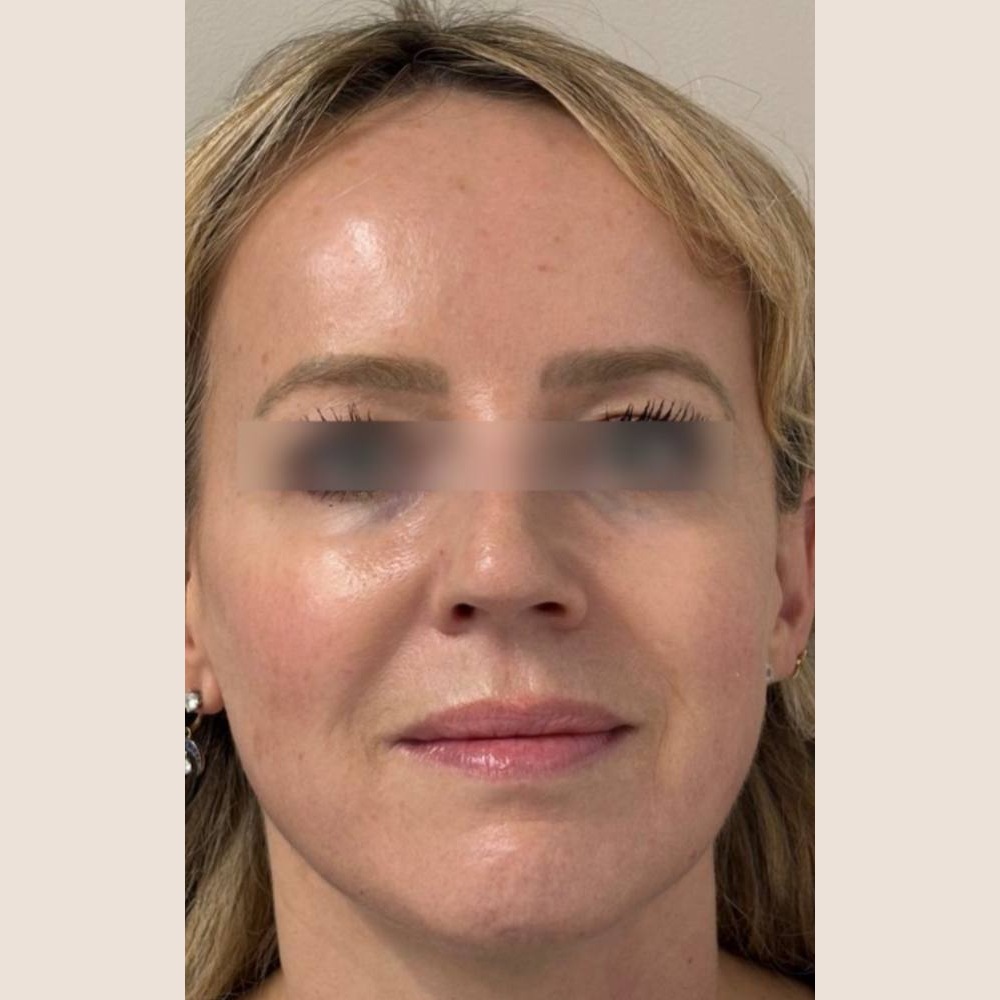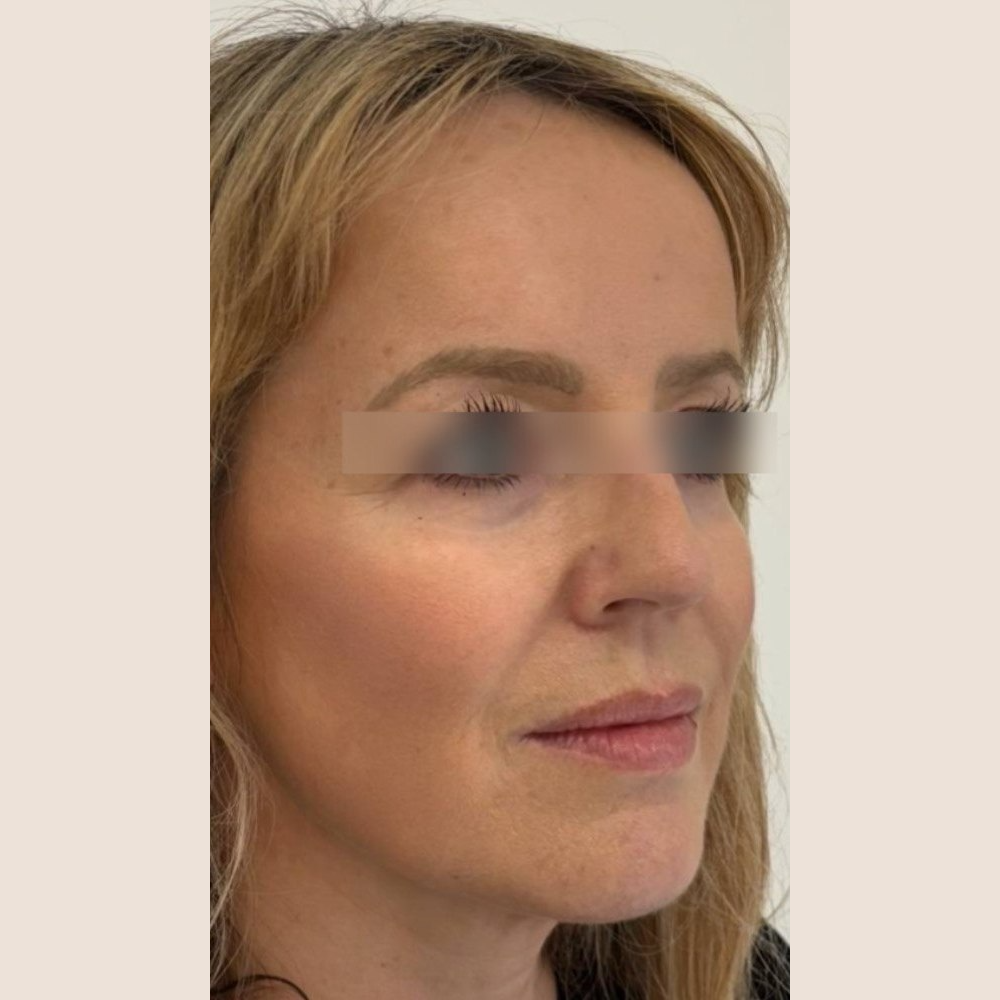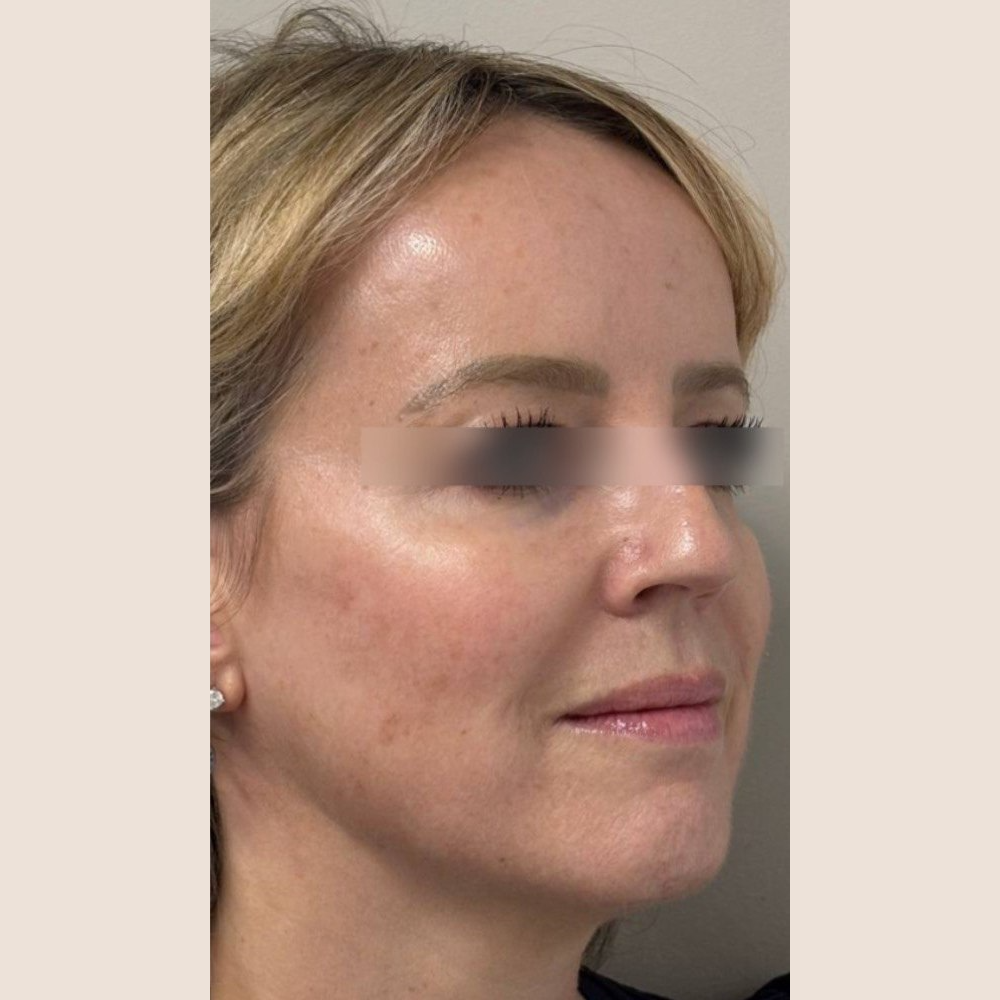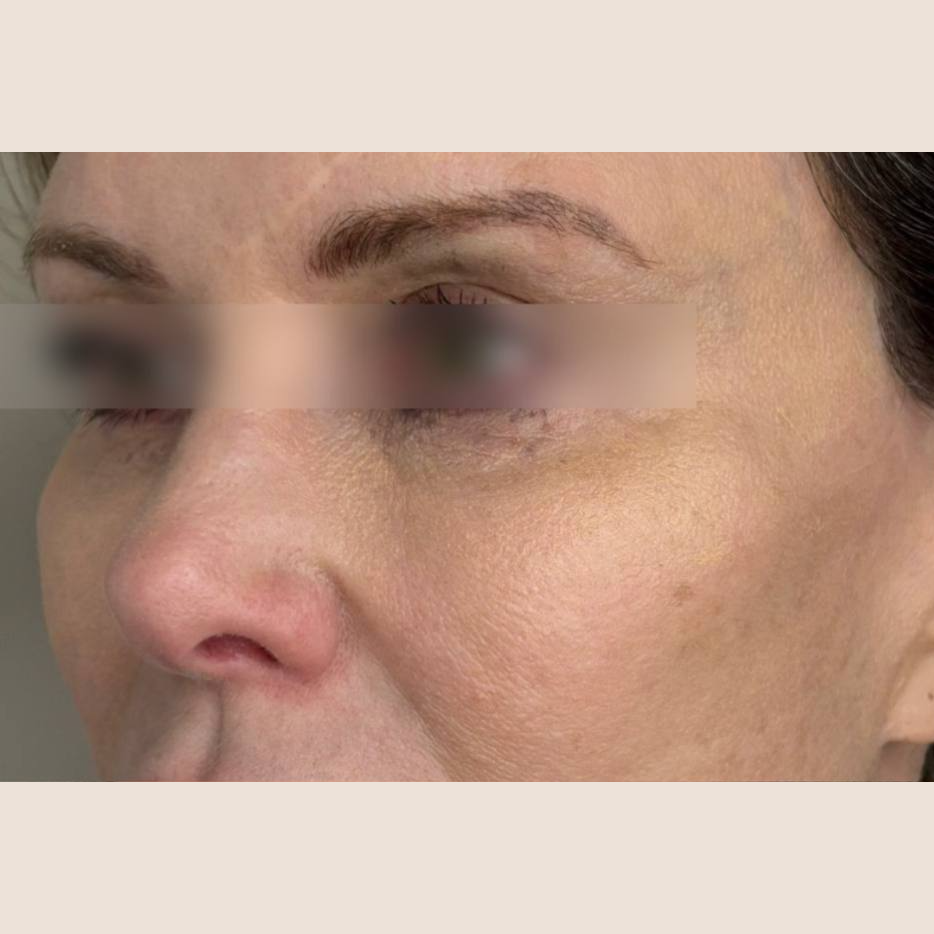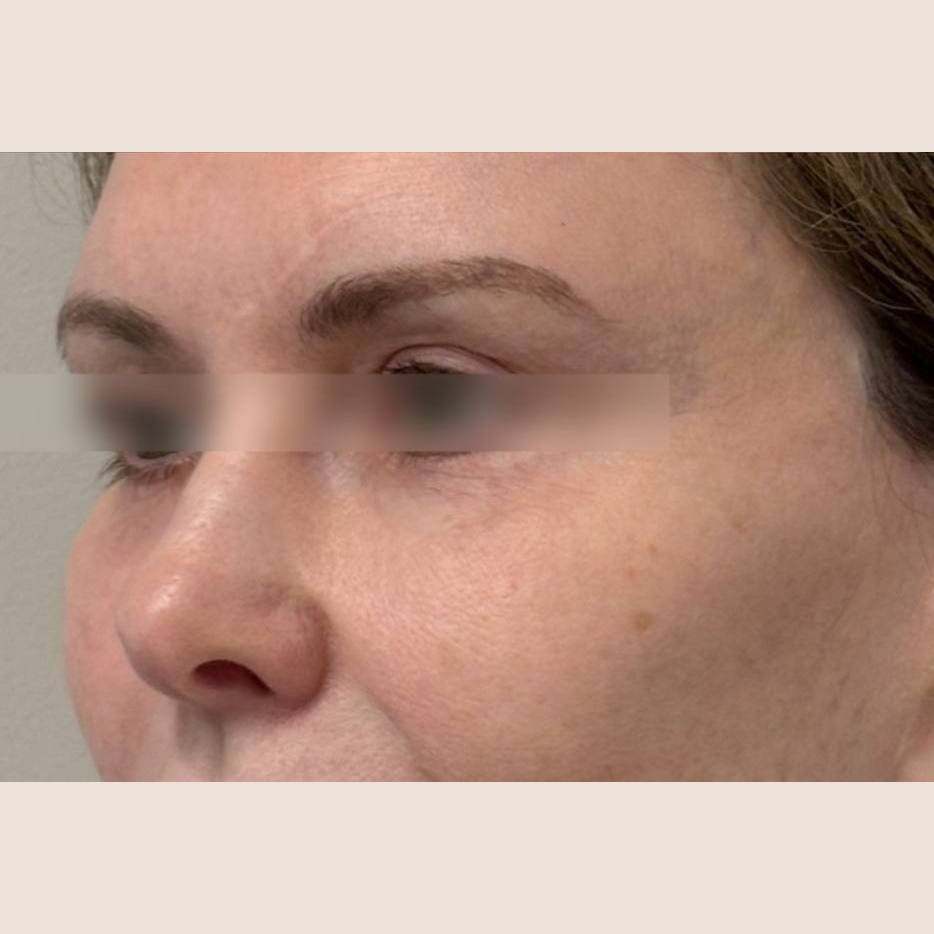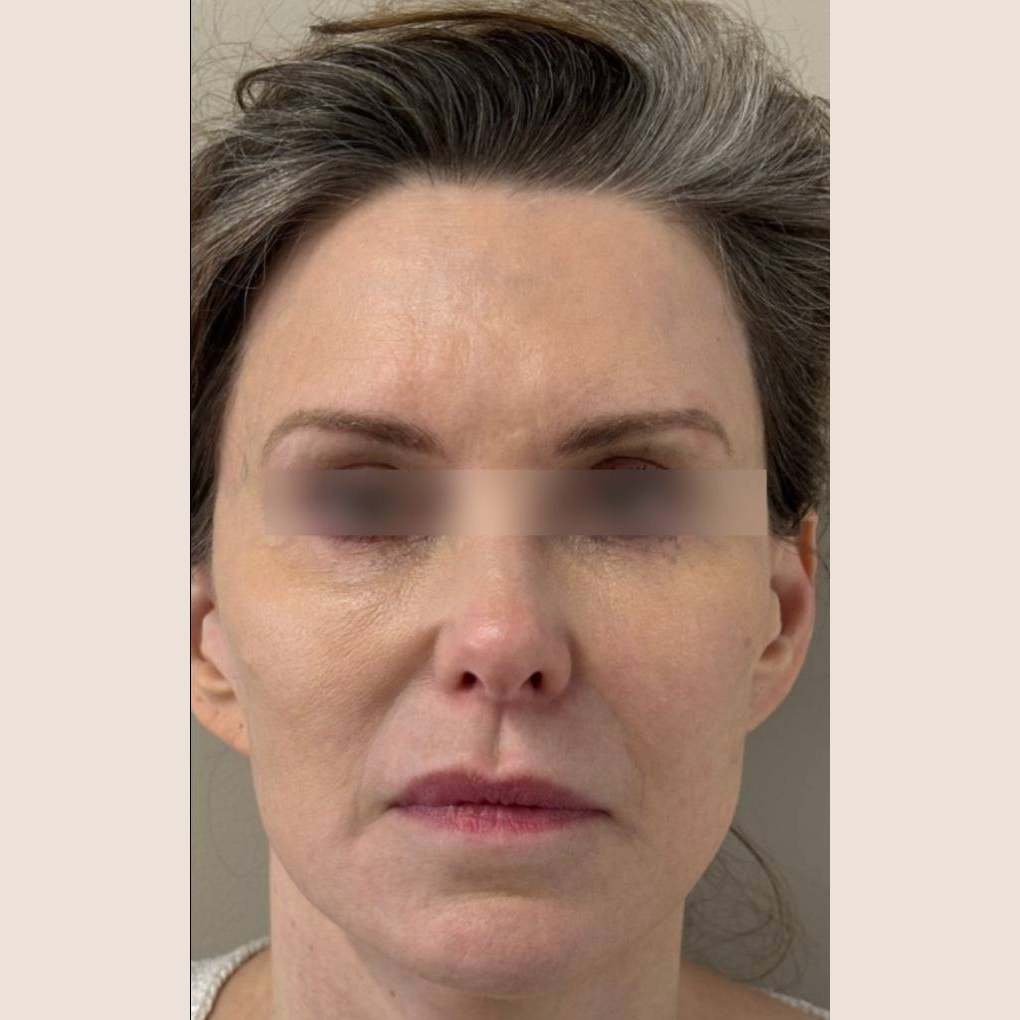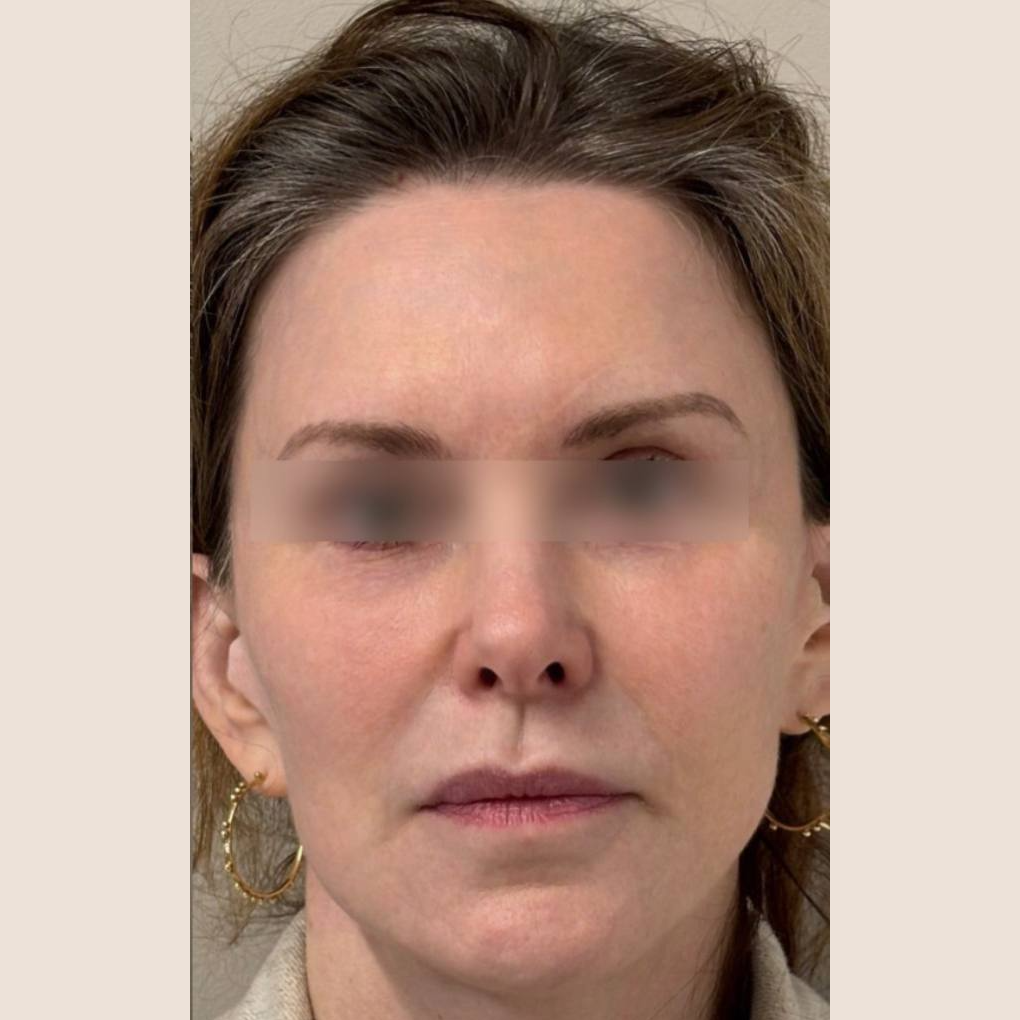
Advanced injectable treatments designed to restore the whole skin extracellular matrix (ECM).
From £985 per sessionA specialised combination of essential amino acids is delivered into the dermis — the skin layer responsible for structural support — through a series of micro-injections, following a precise pattern tailored to the treatment area. A topical anaesthetic cream is applied beforehand for comfort.
These amino acids act as building blocks for the extracellular matrix, stimulating fibroblasts — the skin cells — to produce collagen, elastin, and other structural proteins that maintain skin strength, elasticity and hydration.
Precise placement, at the correct depth and pattern, is what allows these components to reach and activate fibroblasts across the treatment area.
At YURON, our physicians pay particular attention to injection depth and technique, ensuring both optimal results and patient safety.
These treatments are often grouped together, but they work through fundamentally different biological mechanisms.
Skin restructuring injections are unique in that they are designed to stimulate the full extracellular matrix (ECM) in a physiological way. They promote the production of:
• Collagen types I, III, IV, VII, XVII
• Elastin
• Fibronectin
• Proteoglycans and other structural components of the dermis
This means they do not simply “increase collagen”, but help restore the skin architecture as a whole — improving elasticity, hydration, and overall tissue quality in a balanced way.
In contrast:
• Profhilo and biorevitalisation primarily deliver hyaluronic acid, focusing on hydration and mild stimulation of collagen (mainly types I and III), with limited structural remodelling.
• Radiesse and Sculptra are biostimulators that work by inducing a controlled inflammatory response, leading to stimulation of collagen types I and III. This process is associated with the formation of denser, fibrotic (scar-like) tissue rather than true physiological regeneration.
• Polynucleotides support cellular repair and hydration, improving skin quality indirectly and stimulating collagen (primarily types I and III), but they do not comprehensively rebuild the full dermal matrix.
Why does this difference matter?
Stimulating only collagen types I and III repeatedly may, over time, lead to increased tissue density without sufficient elasticity, as these collagen types are also involved in scar formation.
By contrast, treatments that support elastin production and full ECM restoration allow for:
• true skin regeneration
• improved elasticity and resilience
• more natural, long-term outcomes
Traditional fillers mainly add volume and reshape facial contours. Skin restructuring injections work differently — they stimulate regeneration of the skin’s extracellular matrix, improving skin density, elasticity, and hydration without significantly adding volume.
Some improvements in skin hydration and texture may appear within 1–2 weeks, while deeper improvements in skin density and elasticity develop gradually over the treatment course.
Yes. Skin restructuring injections are often used to prepare the skin before laser or energy-based treatments, improving tissue quality and supporting more effective and predictable results. They may also help support skin recovery after certain procedures.