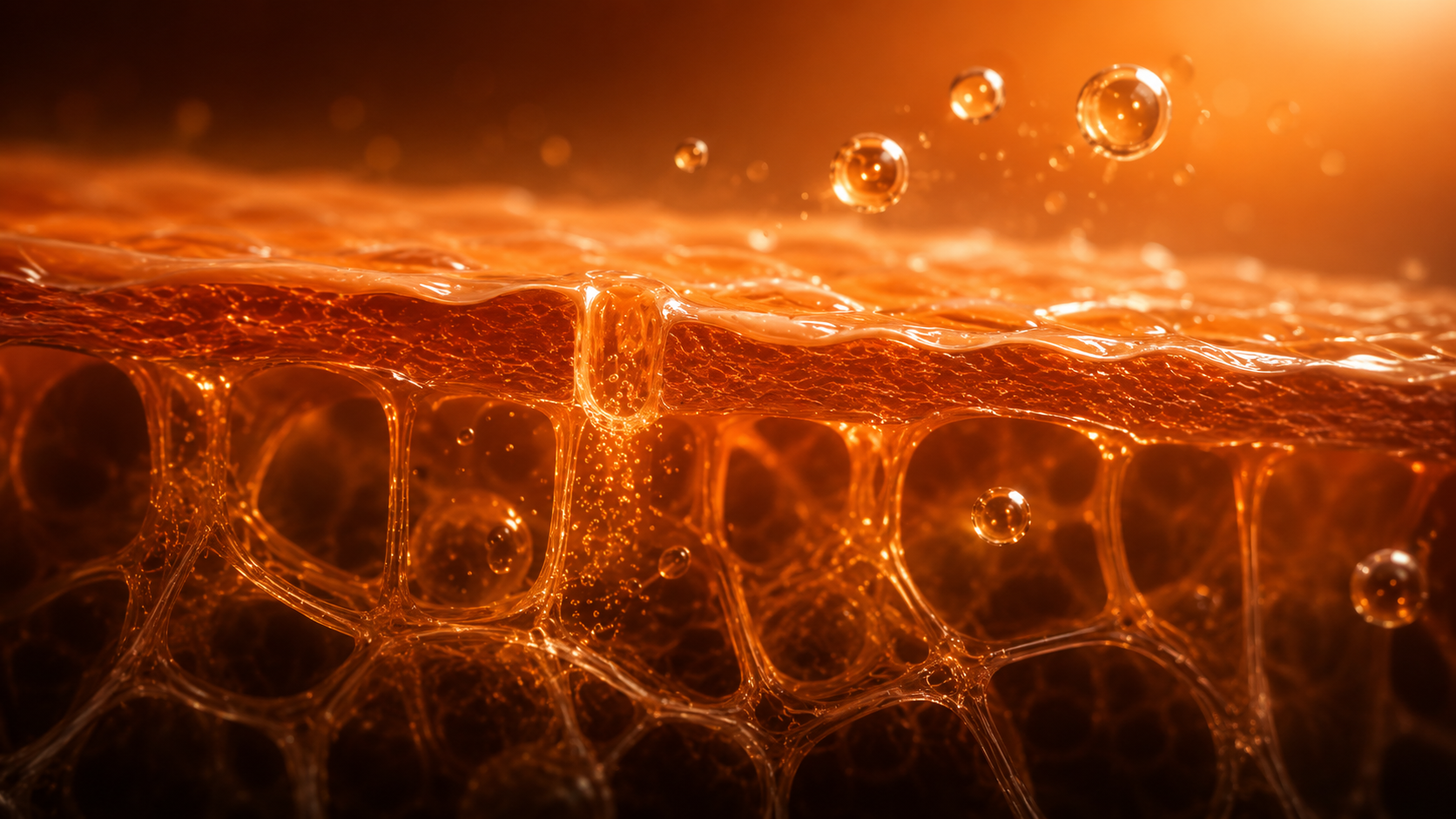
Every cell in your skin is constantly “listening” for signals that tell it what to do — when to make more collagen, when to calm down inflammation, when to repair itself. As we age, that conversation between cells slows down. Exosomes are how we restart it.
These are tiny, naturally occurring particles that cells use to talk to each other — carrying proteins and RNA (genetic information, but not DNA) that act like instructions. In this treatment, we deliver them straight into the skin, often right after microneedling or RF microneedling opens the perfect pathway for them to get where they’re needed most.
Once inside, exosomes hand your fibroblasts — the cells that build your collagen and elastin — a very clear message: get back to work. They also help form new blood vessels to bring more nutrients to the skin, and calm down the inflammation that makes skin look dull, red, or tired.
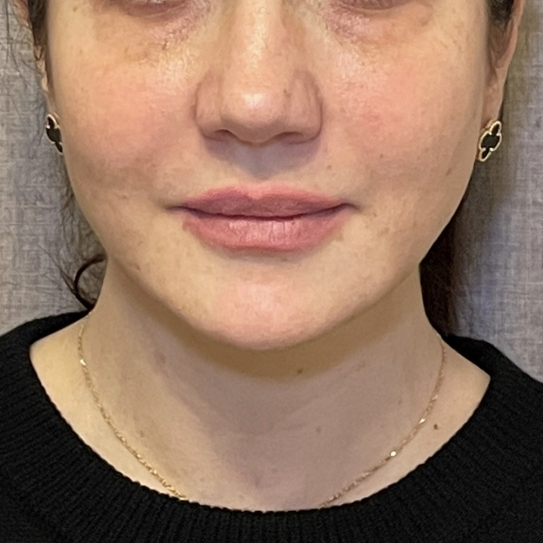
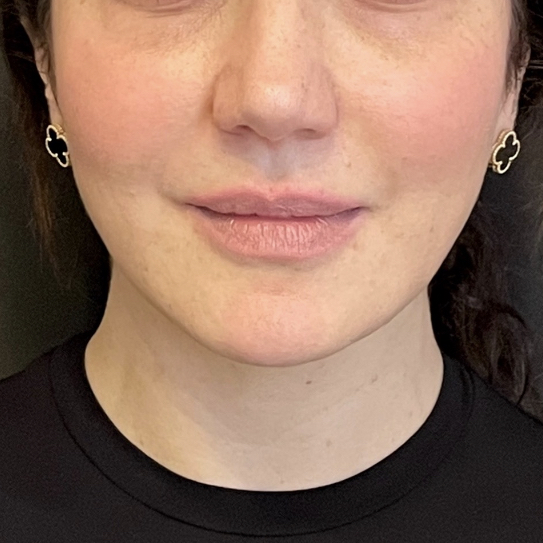
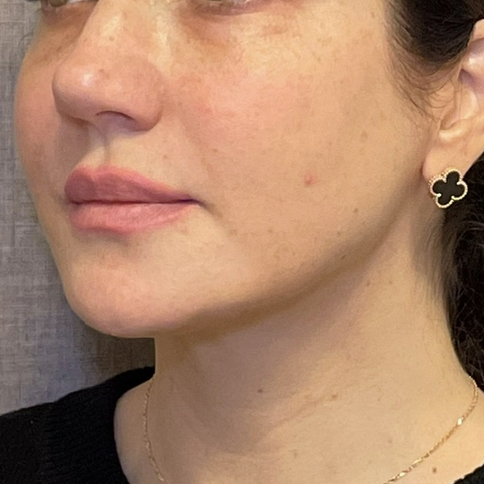
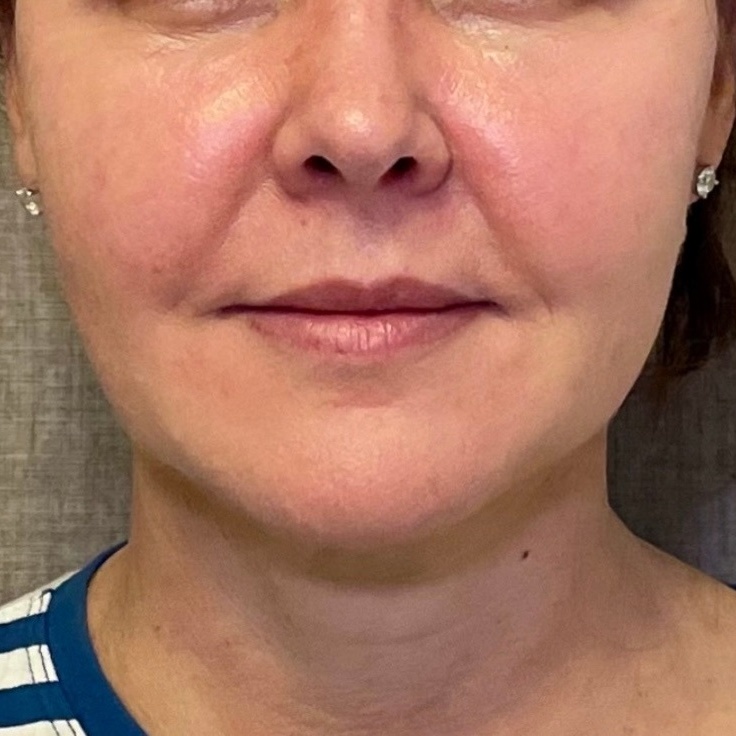
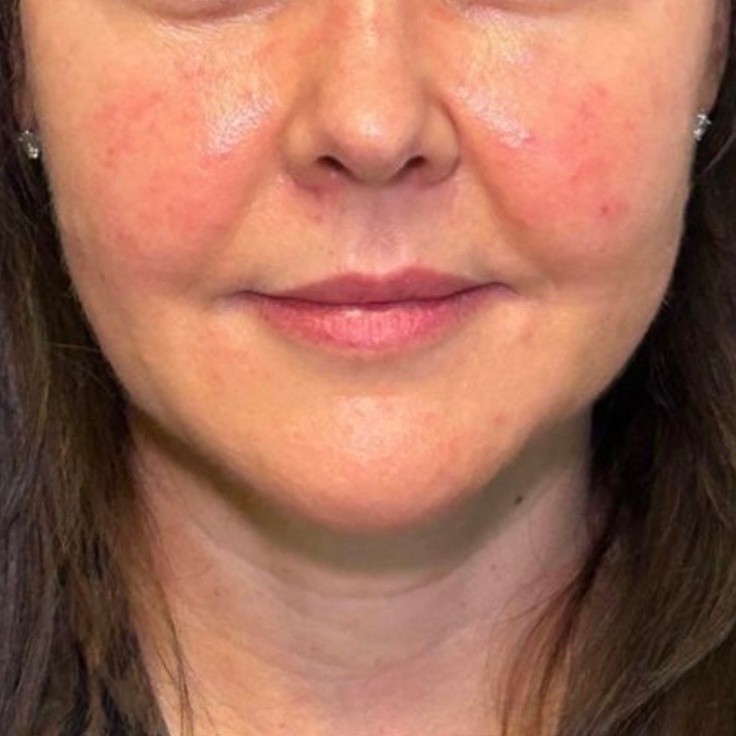
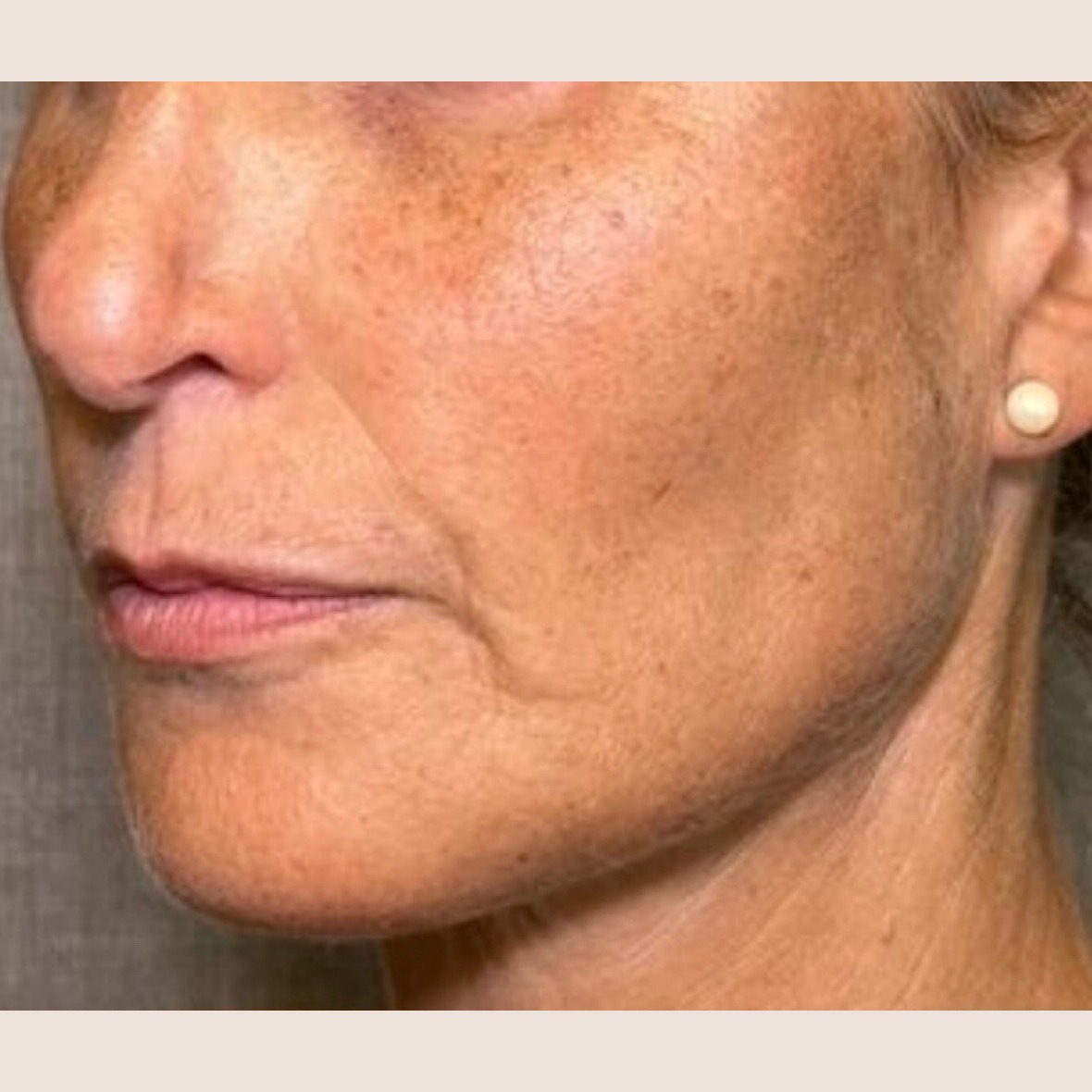
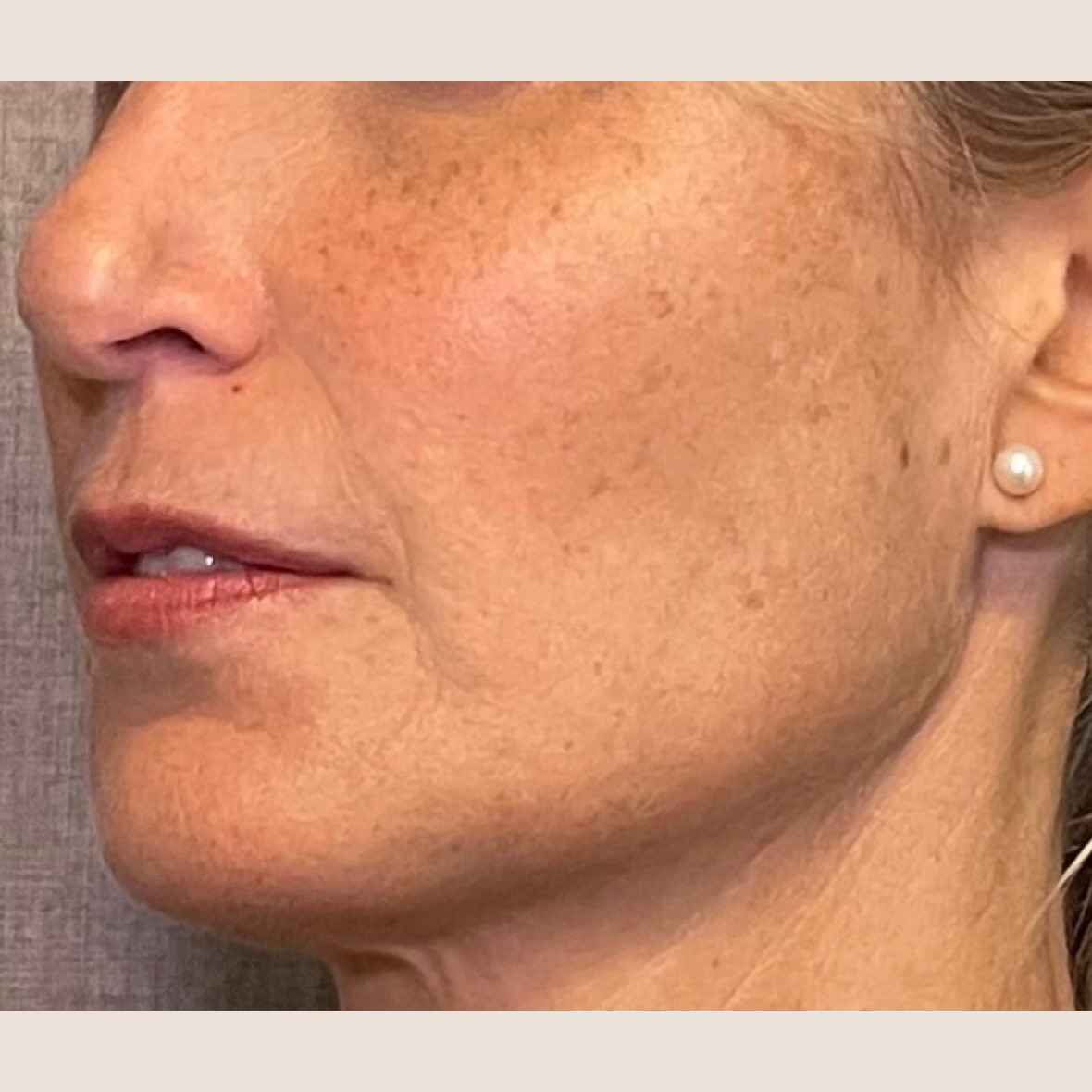
The result isn’t something added to your skin — it’s your own skin, reminded how to act younger. Over the following weeks, you’ll notice it firming up, texture smoothing out, tone evening — all from signals your cells were always capable of responding to, just waiting to be sent again.
And because nothing foreign stays behind — no cells, no DNA, just a message delivered and gone — it’s one of the gentlest ways to get your skin working like it used to.
Exosomes are microscopic biological particles naturally released by cells. Their main role in the body is to act as messengers between cells, allowing them to communicate and coordinate processes such as tissue repair and regeneration.
Inside exosomes are bioactive molecules that influence how cells behave, including:
• signalling proteins
• growth factors
• peptides
• messenger RNA (mRNA)
• microRNA (miRNA)
These molecules act as biological instructions that help regulate cellular activity.In the skin, exosomes can influence fibroblasts — the cells responsible for producing collagen, the key structural protein that supports skin firmness and elasticity.
By delivering these signalling molecules, exosomes can help activate regenerative pathways and encourage skin cells to behave in a more youthful and active way, supporting the skin’s natural renewal processes.
When exosomes are applied directly to the skin, they remain mainly within the superficial layers of the skin. However, the cells responsible for producing collagen — fibroblasts — are located deeper within the dermis.
Microneedling or radiofrequency microneedling creates temporary micro-channels in the skin. These channels allow regenerative signalling factors to reach the deeper dermal layers, where they can interact more directly with fibroblasts and support regenerative pathways.
This is why combining exosomes with microneedling technologies is considered a more effective delivery approach.
Safety depends greatly on the quality, origin, and manufacturing standards of the exosome product.
At YURON, we only use exosome products that follow the MISEV guidelines (Minimal Information for Studies of Extracellular Vesicles). These international scientific standards define how exosomes should be identified, isolated, characterised, and tested.
Products meeting MISEV standards undergo rigorous evaluation, including:
• confirmation of exosome markers
• particle size analysis
• purity testing
• quality control of biological content
Only a small number of exosome manufacturers worldwide are able to provide documentation consistent with these standards. By working only with products that meet these scientific criteria, we aim to ensure high levels of safety, purity, and biological consistency.
No. Exosomes are very different from stem cells.
Stem cells are living cells capable of dividing and potentially developing into other types of cells. Because they are living biological material, their use carries greater regulatory, ethical, and safety considerations, including issues related to uncontrolled cell behaviour or immune reactions.
Exosomes, in contrast, are not cells. They are small biological vesicles released by cells that contain signalling molecules.
Because they do not contain living cells and cannot divide, exosomes are considered biologically simpler and generally safer to work with. They act primarily as communication signals, influencing how existing cells behave rather than introducing new cells into the tissue.
PRP (Platelet-Rich Plasma) uses growth factors released from platelets in the patient’s own blood. While PRP contains important regenerative molecules, its composition can vary depending on the patient’s age, health, and platelet activity.
Exosome products are produced under controlled laboratory conditions, allowing the biological signalling molecules they contain to be more consistent and concentrated.
In addition, exosomes contain not only growth factors but also microRNA and other signalling molecules that play a role in regulating cellular behaviour. For this reason, some regenerative protocols combine both approaches, while others use exosomes when a more targeted biological signalling effect is desired.
Many patients notice improvements in skin brightness, hydration, and texture within several weeks. However, deeper regenerative changes take time. As collagen remodelling gradually occurs, improvements in skin quality and firmness may continue to develop over 2–3 months. Results often appear gradually as the skin’s natural regeneration processes are activated.