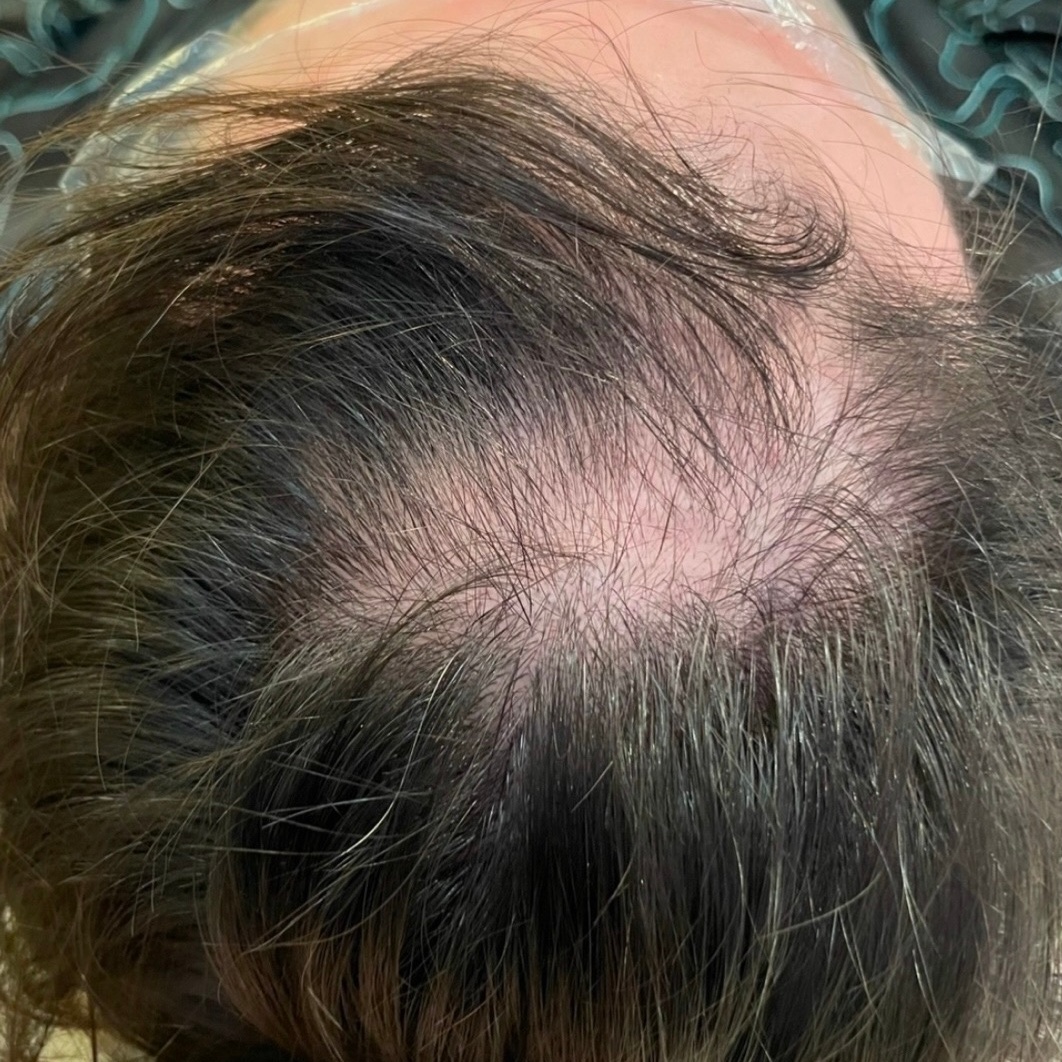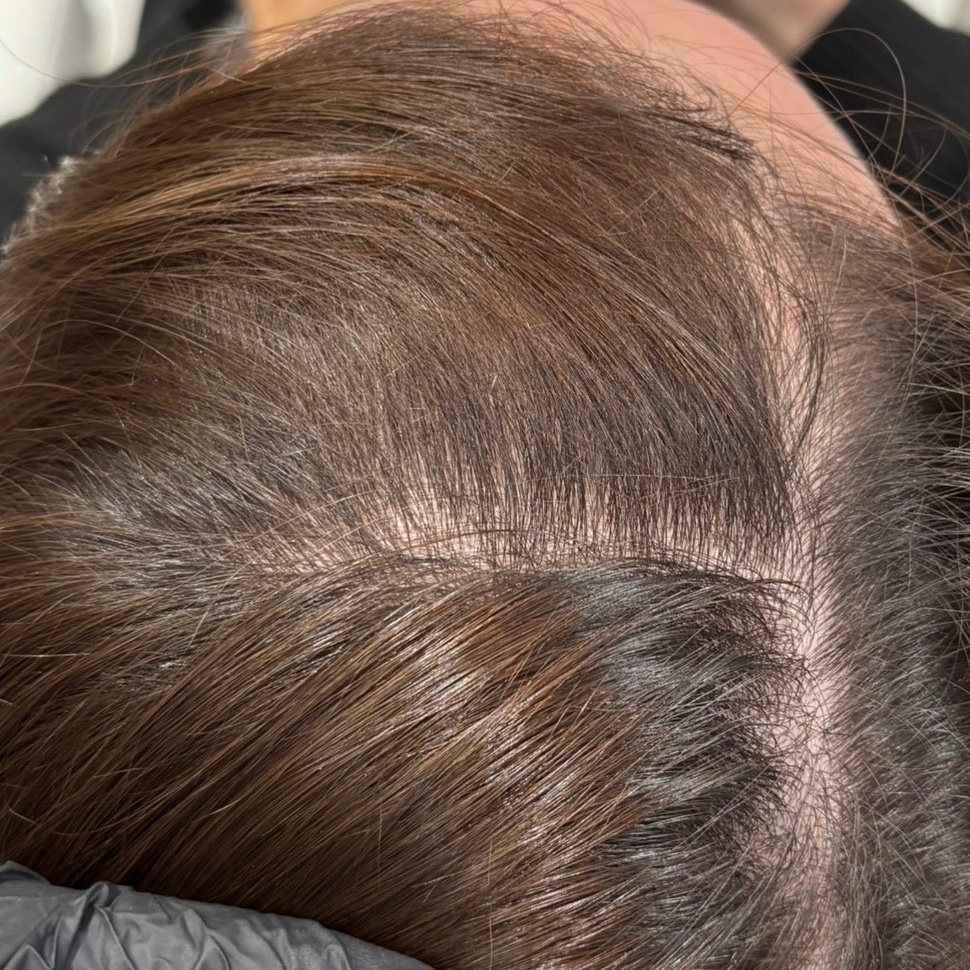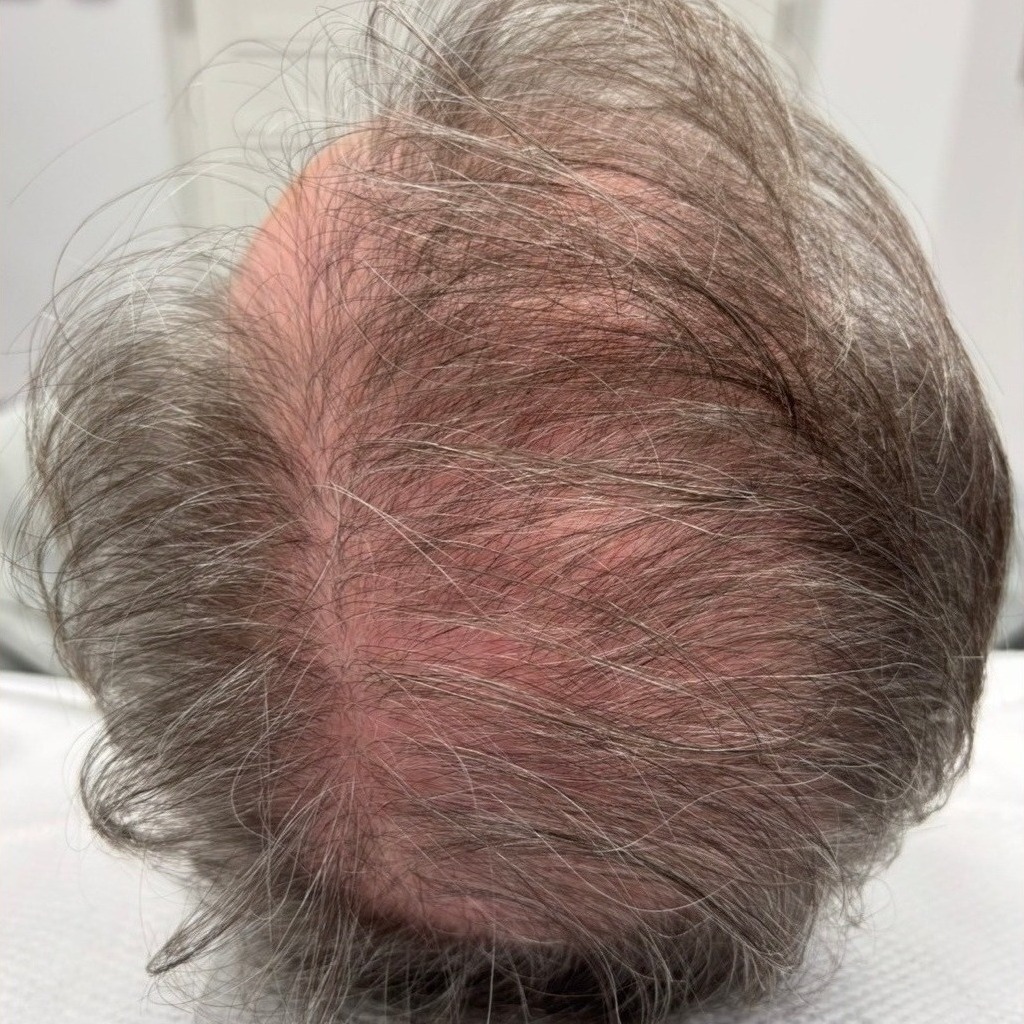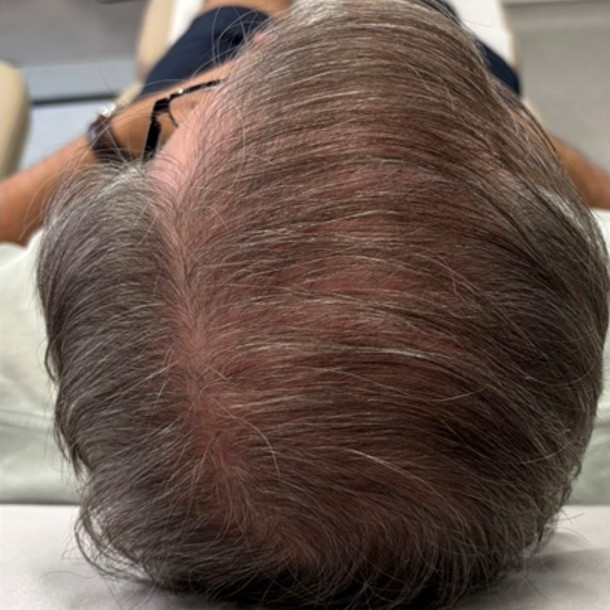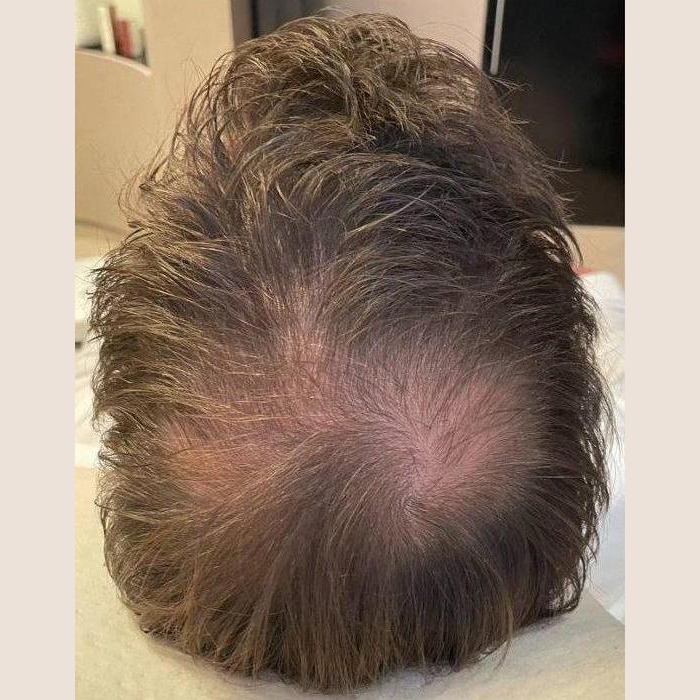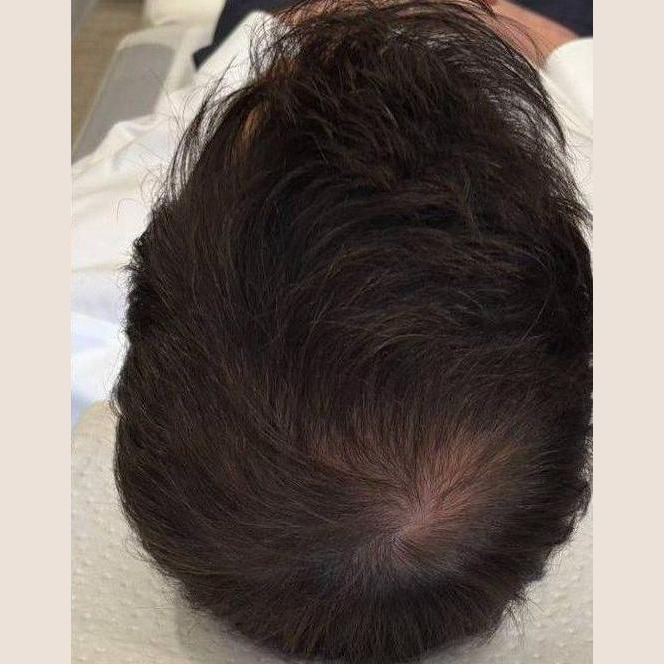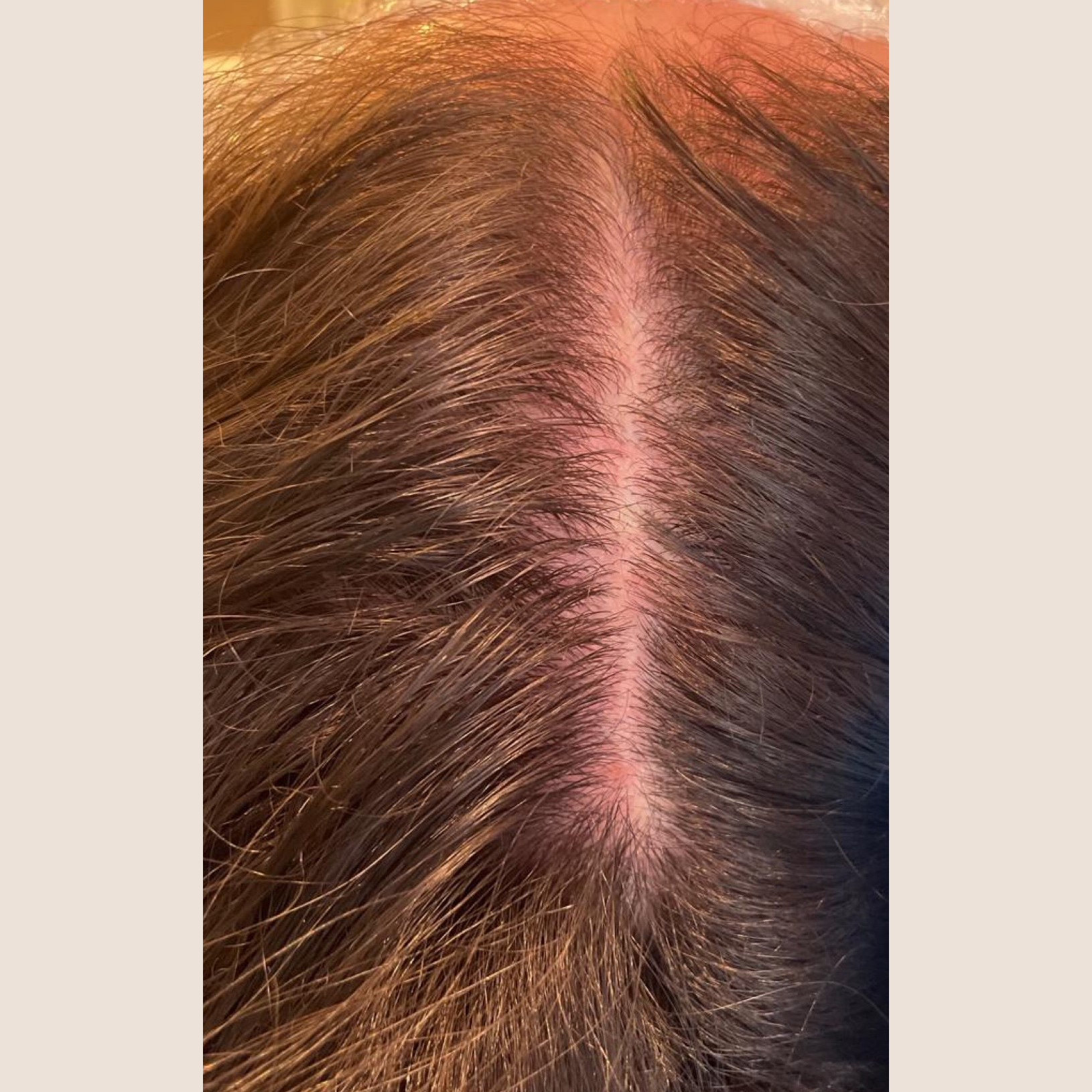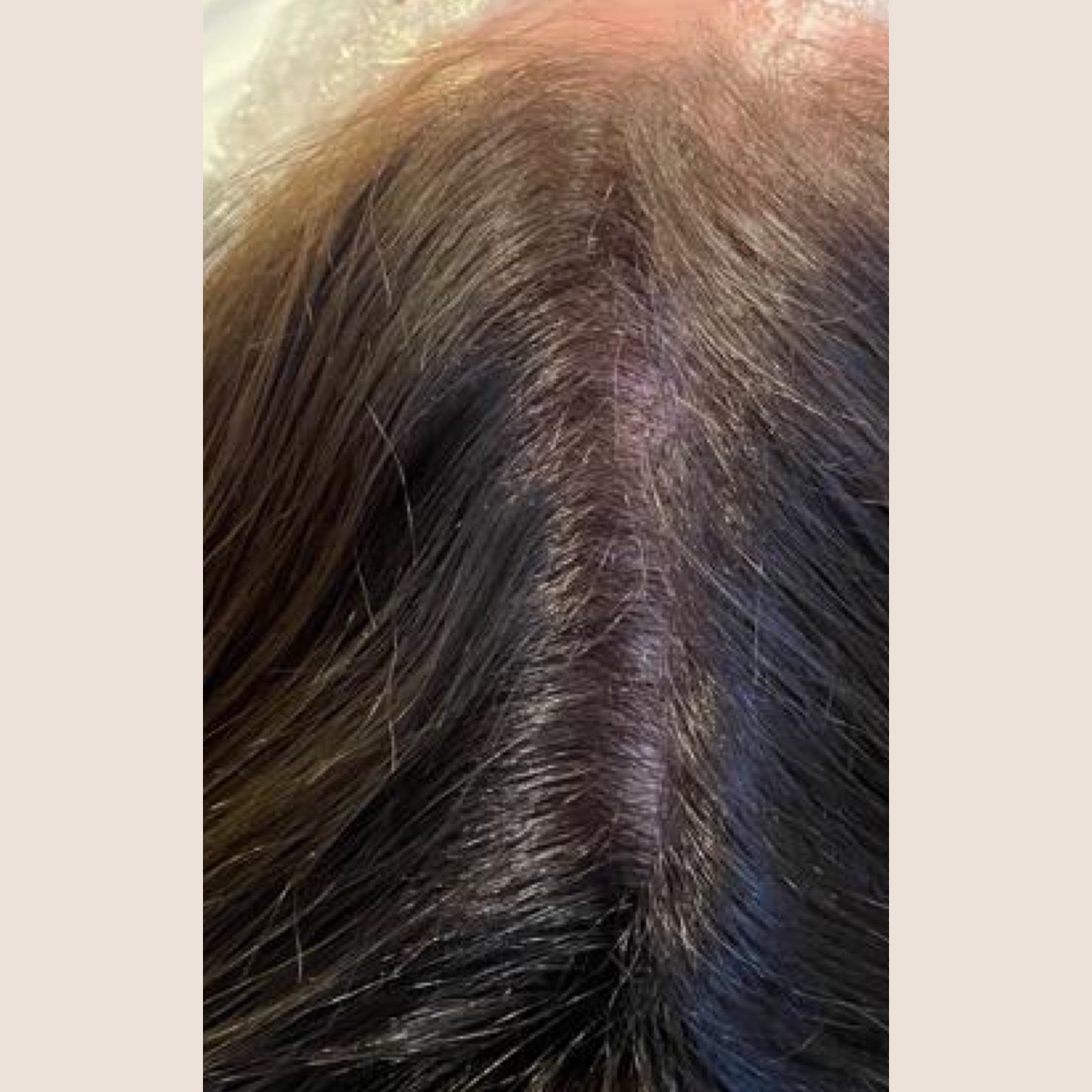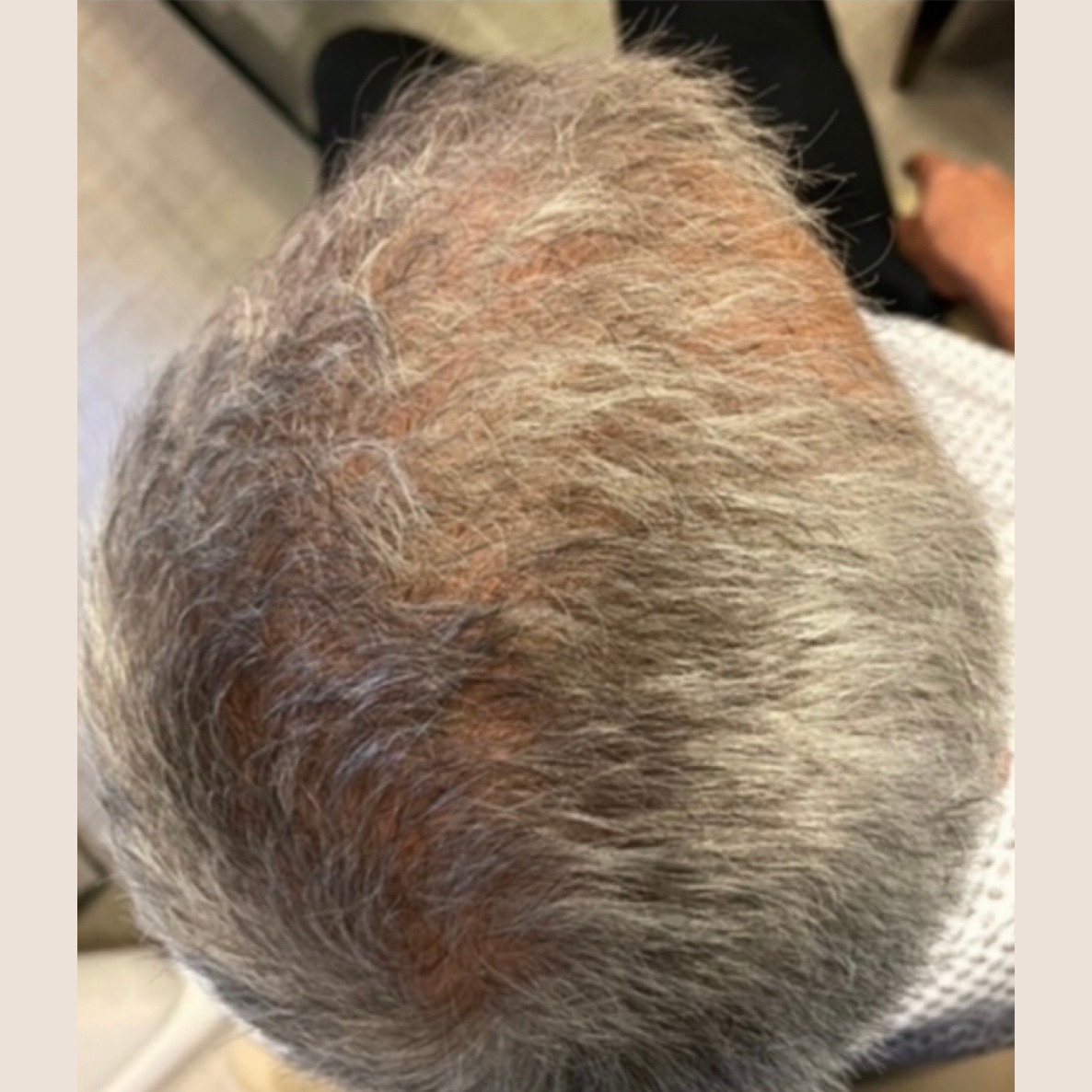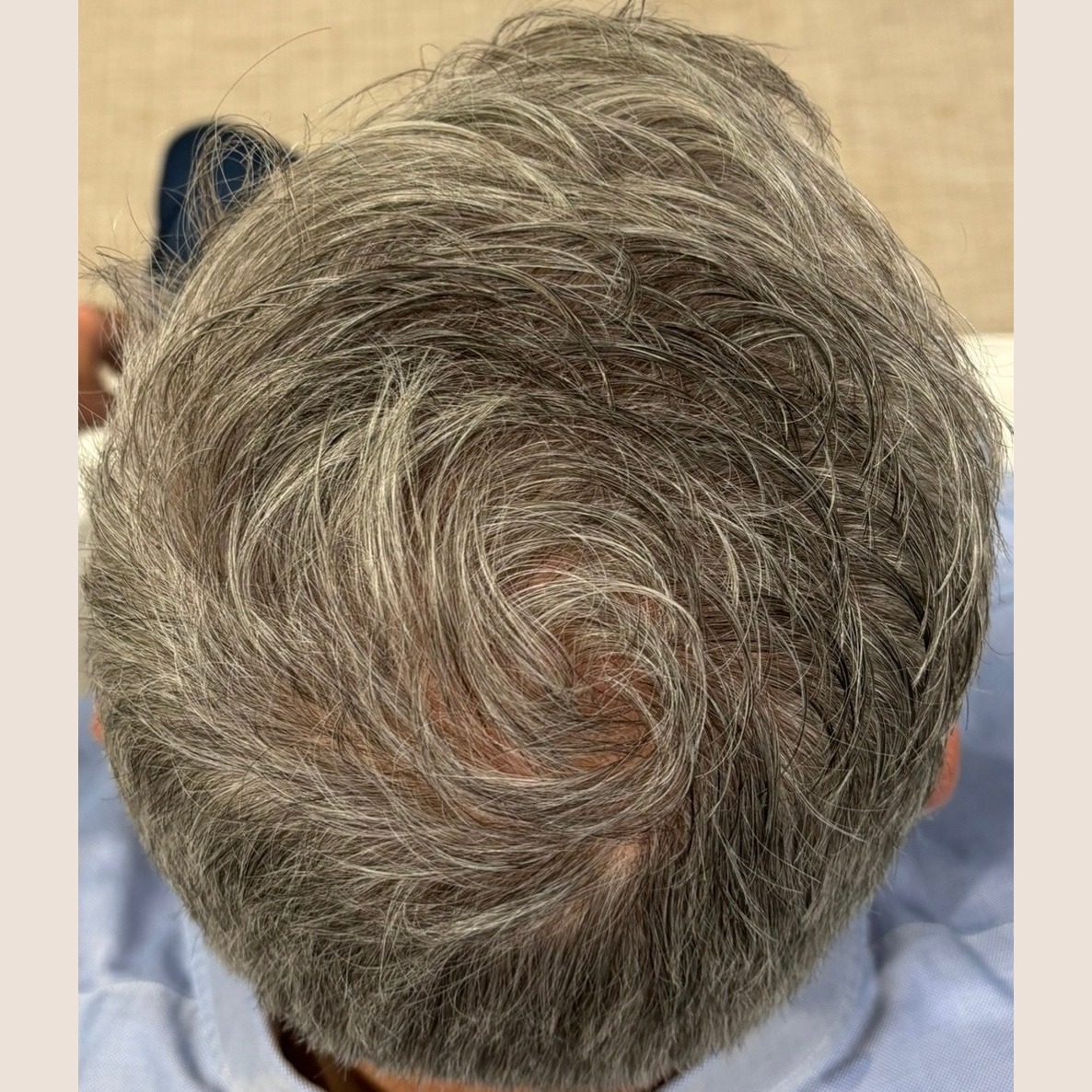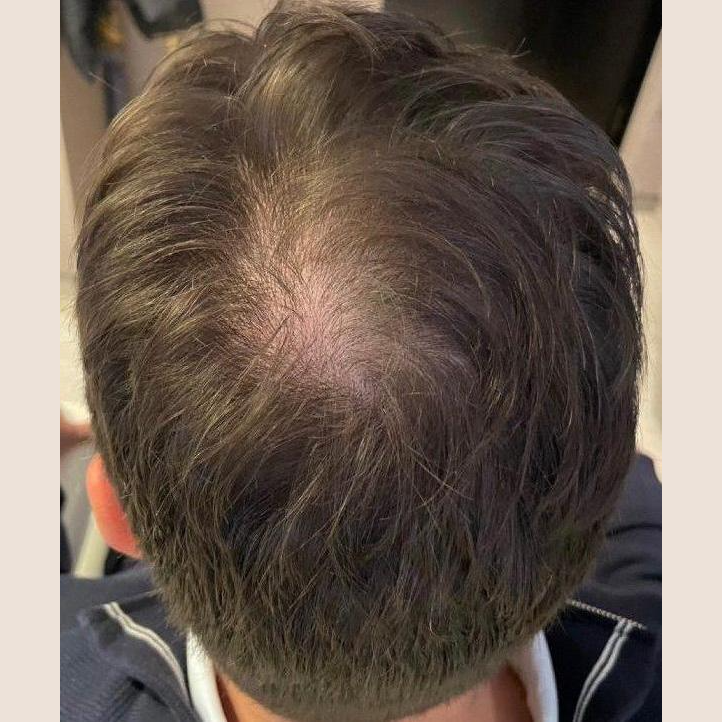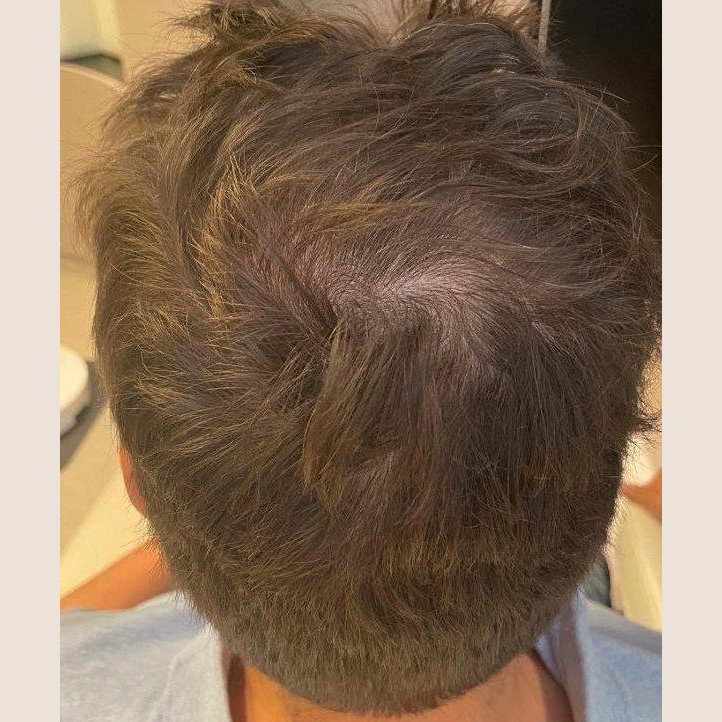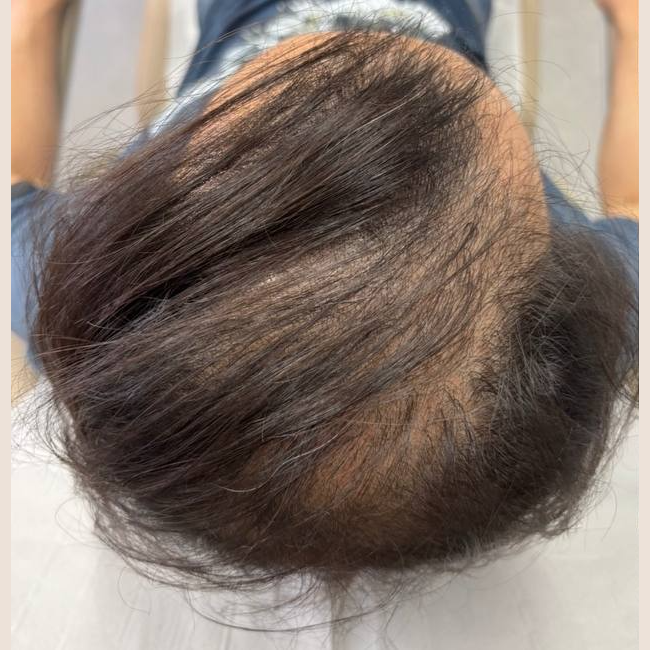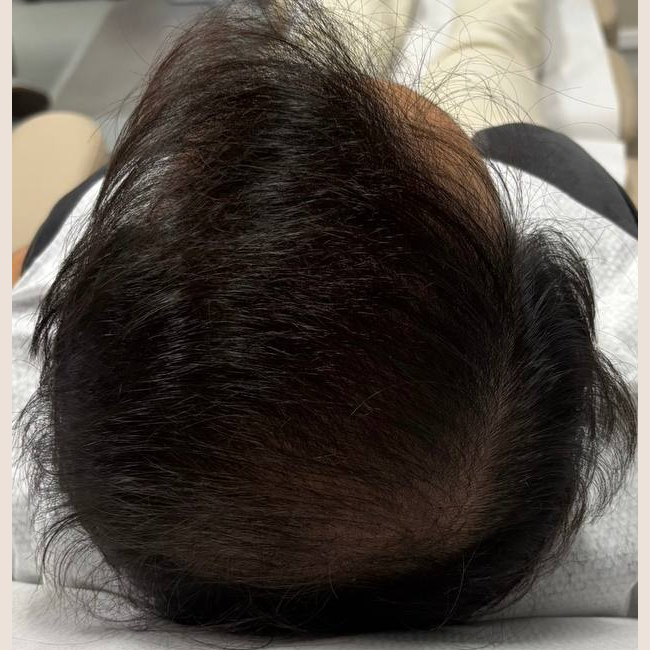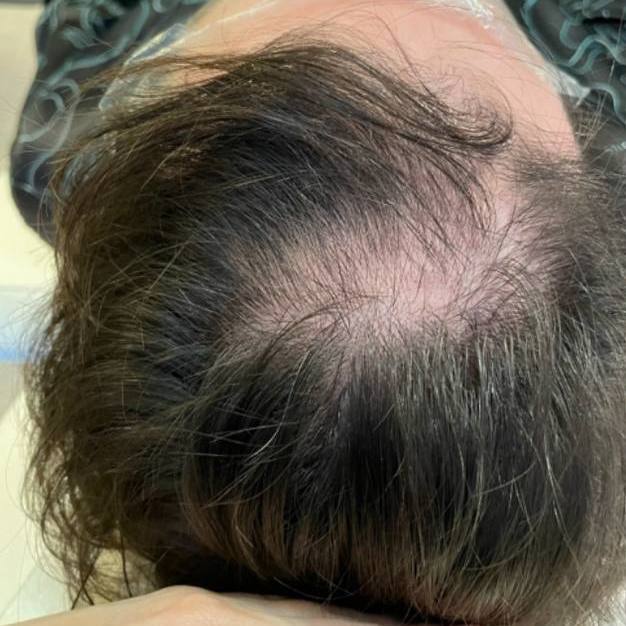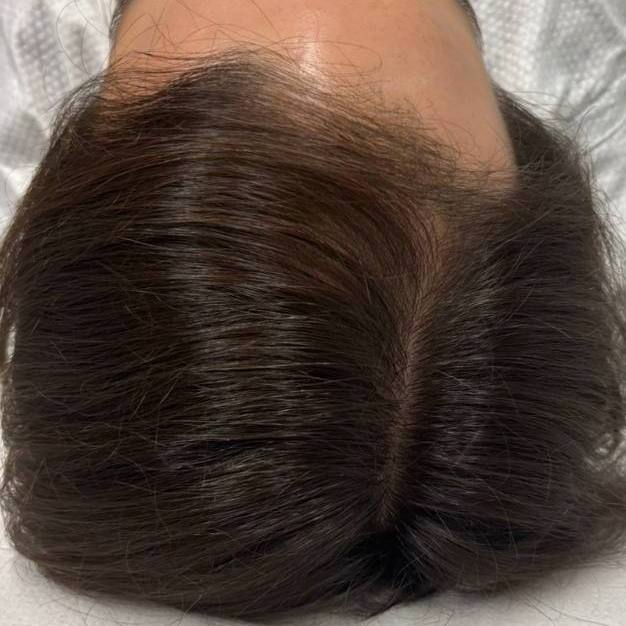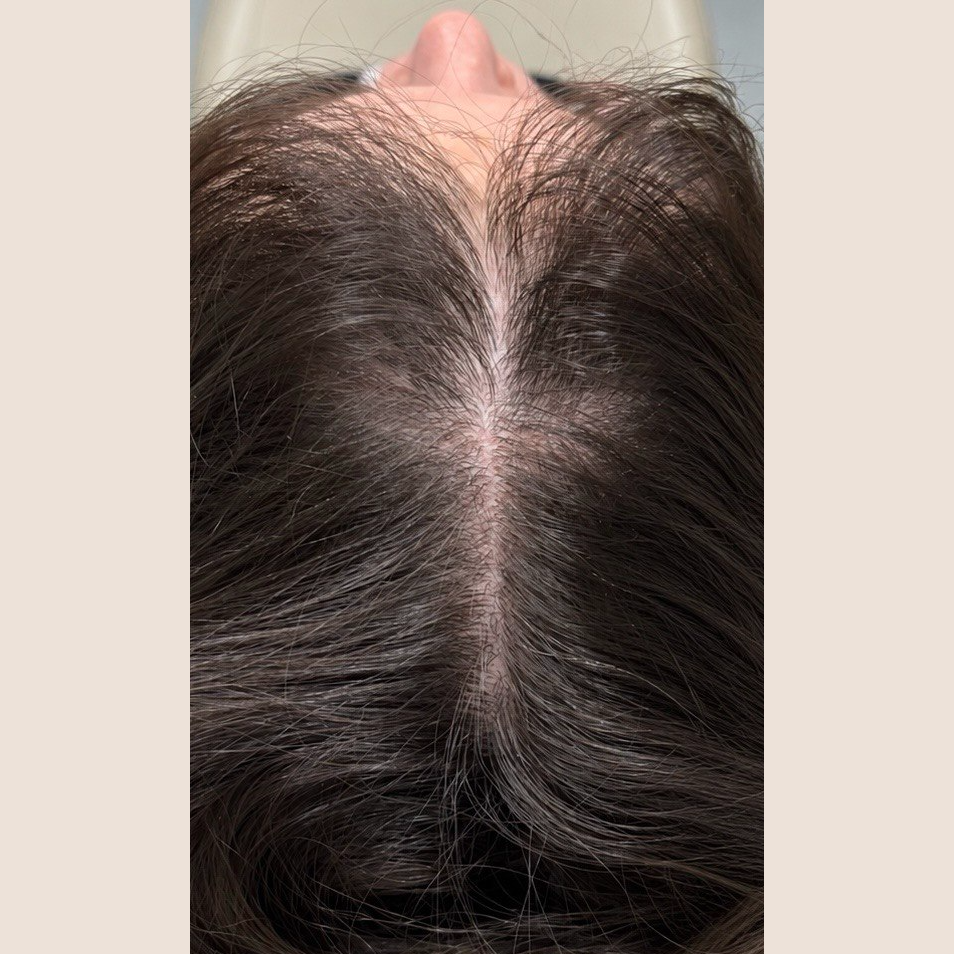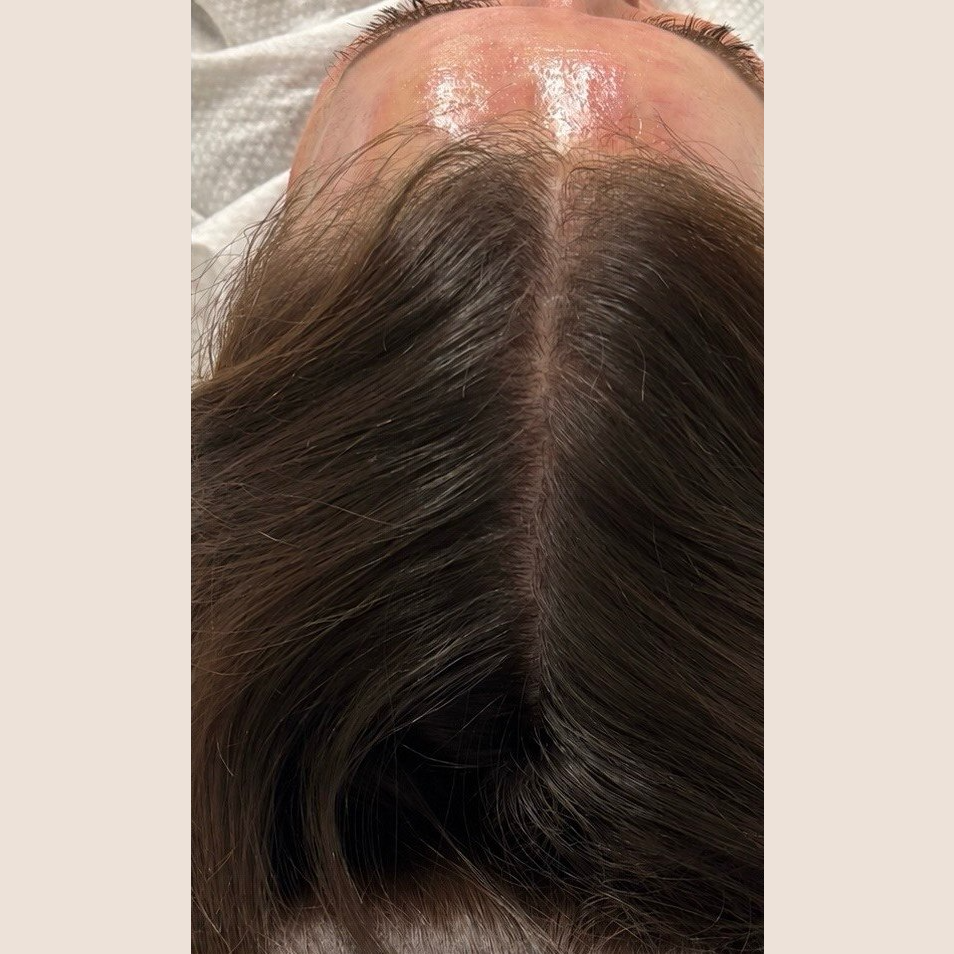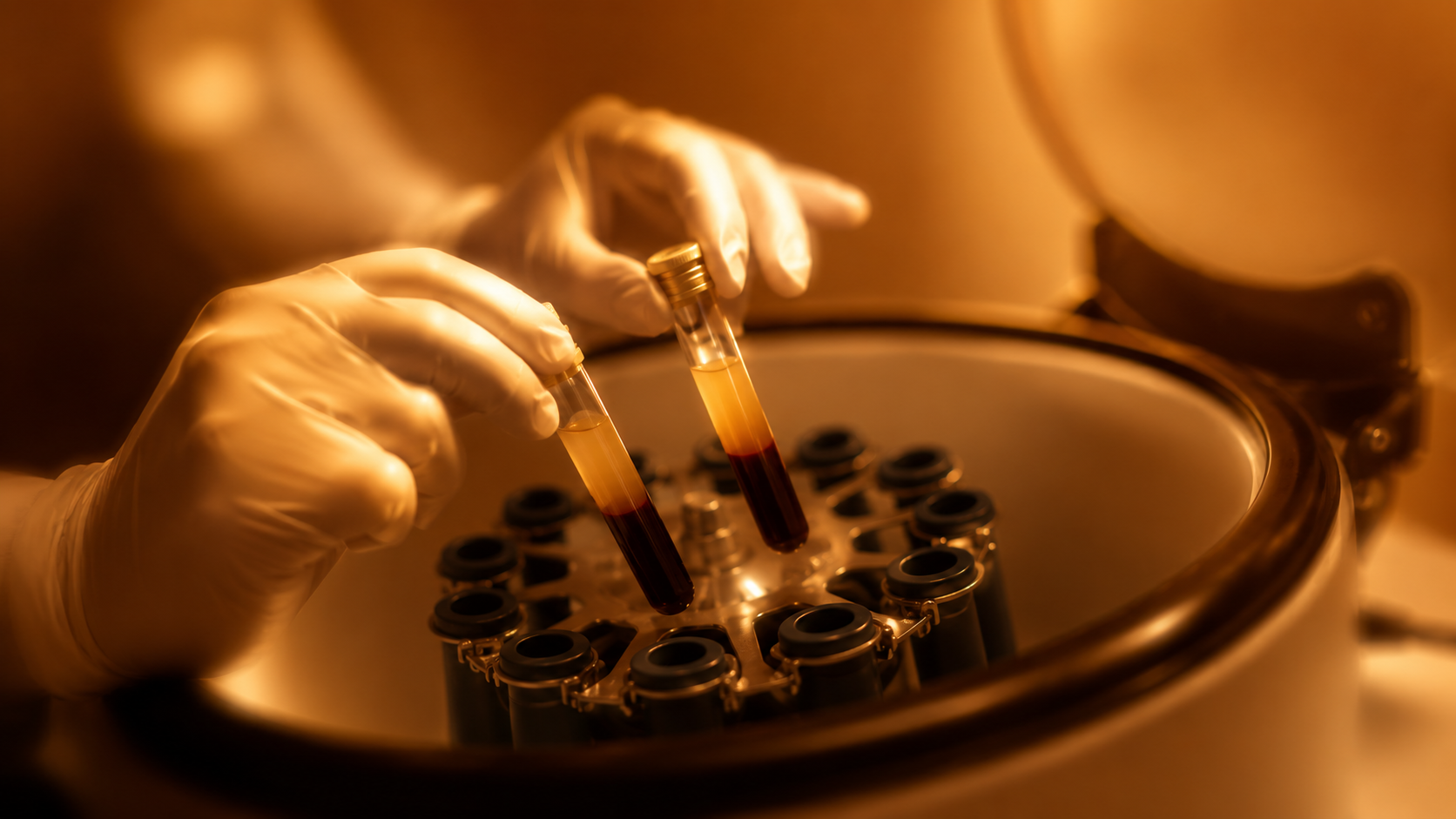
Treatment begins with a simple blood draw, just like a routine lab test. Your blood is then processed in a centrifuge, which separates and concentrates the platelets — the cells richest in growth factors that drive your body’s natural repair processes.
The PRP is first delivered through targeted scalp injections, placing growth factors precisely where they can reach the follicle. We then follow with microneedling, creating micro-channels that let the remaining PRP penetrate the surface layers of the scalp. This two-step approach lets the treatment work on both levels at once — supporting the follicle from below while refreshing the scalp environment above.
At a cellular level, these growth factors signal your scalp cells to support follicular function, while also improving microcirculation and nutrient delivery to the scalp — processes that slow down with age and contribute to thinning. The result is a gradual, natural-looking improvement in hair density and quality, as your scalp’s own regenerative capacity is reactivated.
Because PRP’s effectiveness depends on your internal biological state, we assess key blood markers beforehand to rule out factors like active inflammation or infection. We believe PRP should never be performed blindly.
PRP may not be appropriate for patients with:
• active scalp infection or significant local inflammation
• platelet dysfunction or major blood disorders
• severe systemic infection
• certain medical conditions that affect healing or platelet function
A proper consultation and blood analysis are required before treatment.
Usually not. PRP is typically performed as a course of treatments, not as a one-off procedure. Clinical studies and reviews most often assess it in repeated sessions over time, especially in androgenetic hair loss.
PRP works gradually. Patients may first notice reduced shedding, while visible improvement in density and hair quality usually develops over the following months. Individual response depends on the diagnosis, stage of hair loss, scalp condition, and overall biological status.
At YURON, PRP is never treated as a stand-alone cosmetic injection.
We begin with trichoscopy and blood analysis, and where appropriate we also assess genetics, hormones, and contributory internal factors. This allows us to identify the real drivers of hair loss and decide whether PRP should be used alone, delayed, or integrated with a wider personalised treatment strategy. Evidence on PRP repeatedly highlights that outcomes vary depending on patient factors and protocol quality, which is why our approach is medically selective rather than routine
PRP is generally most suitable for patients with early to moderate hair thinning, especially where follicles are still active and the goal is to slow progression and improve hair quality. Early intervention is usually more effective than waiting until hair loss becomes advanced.