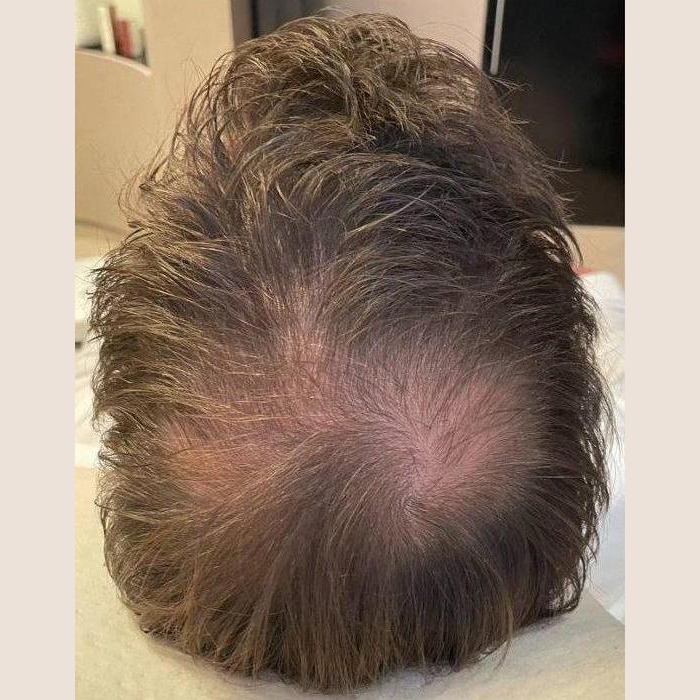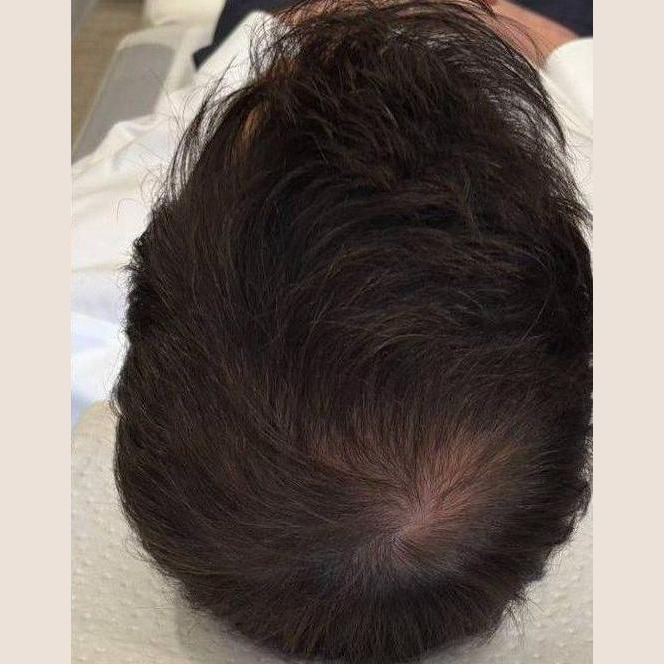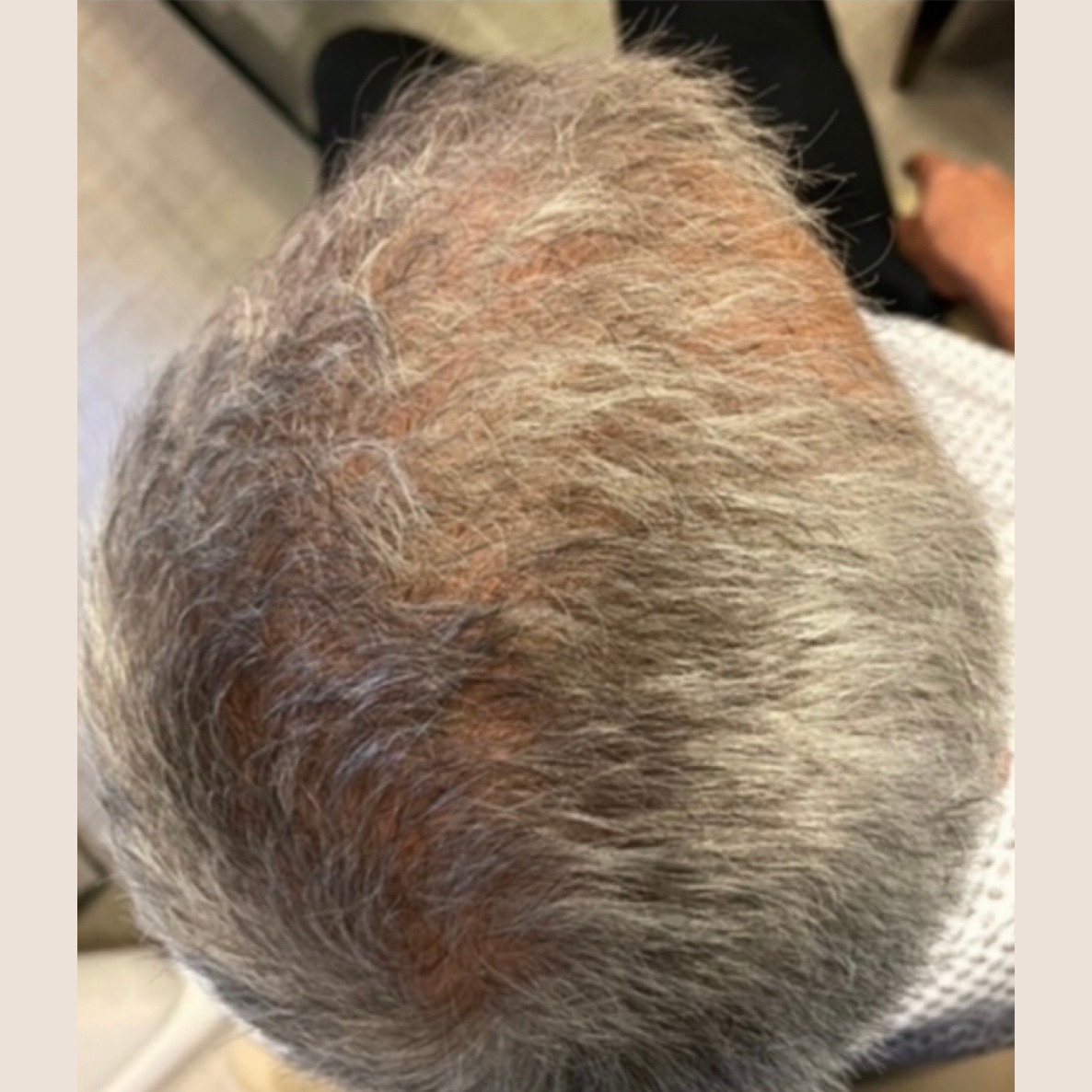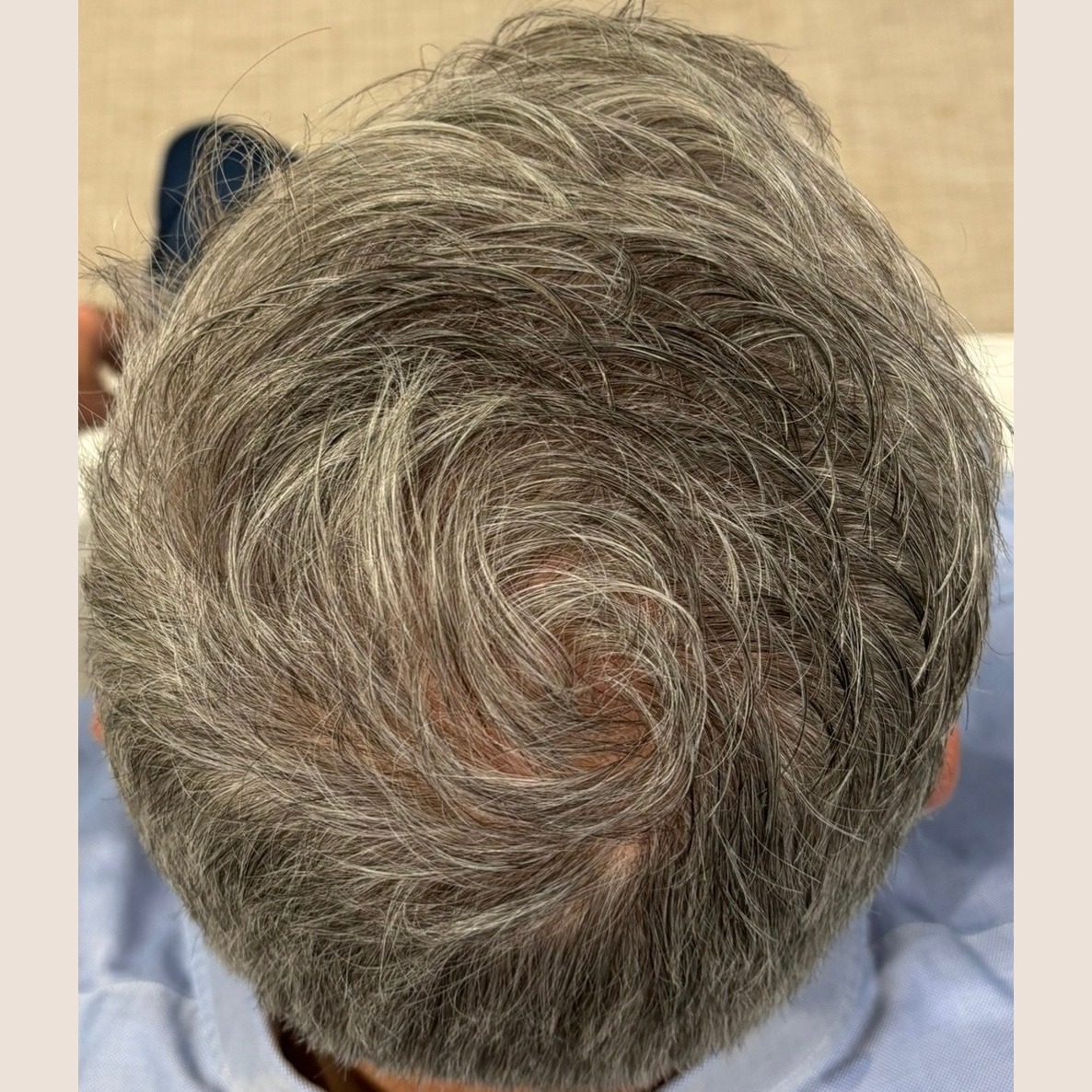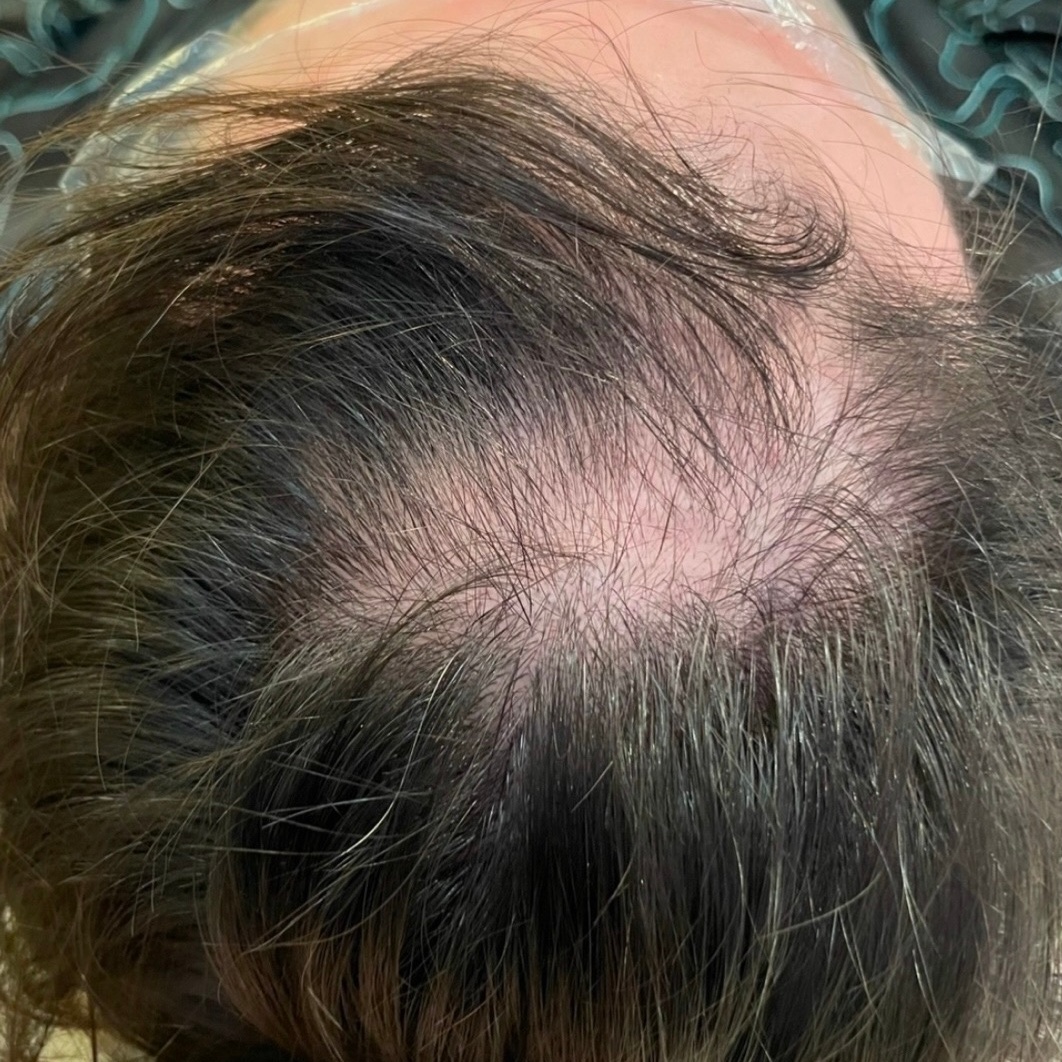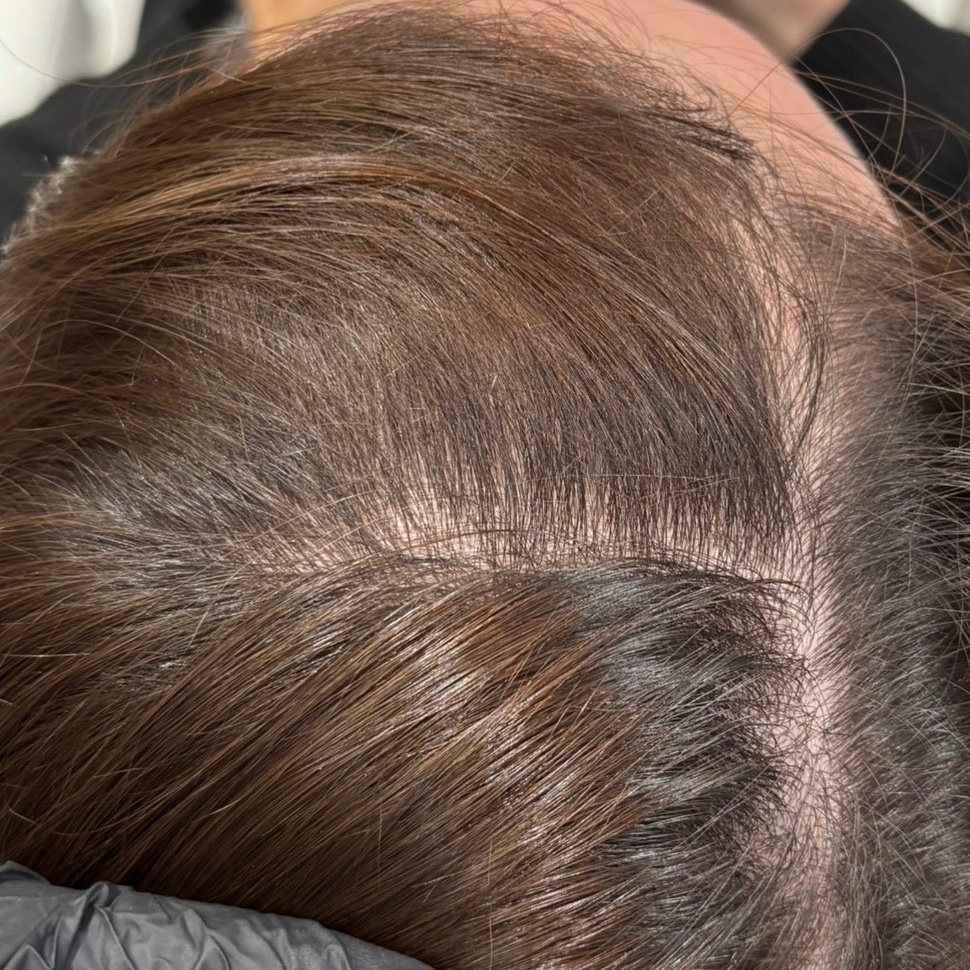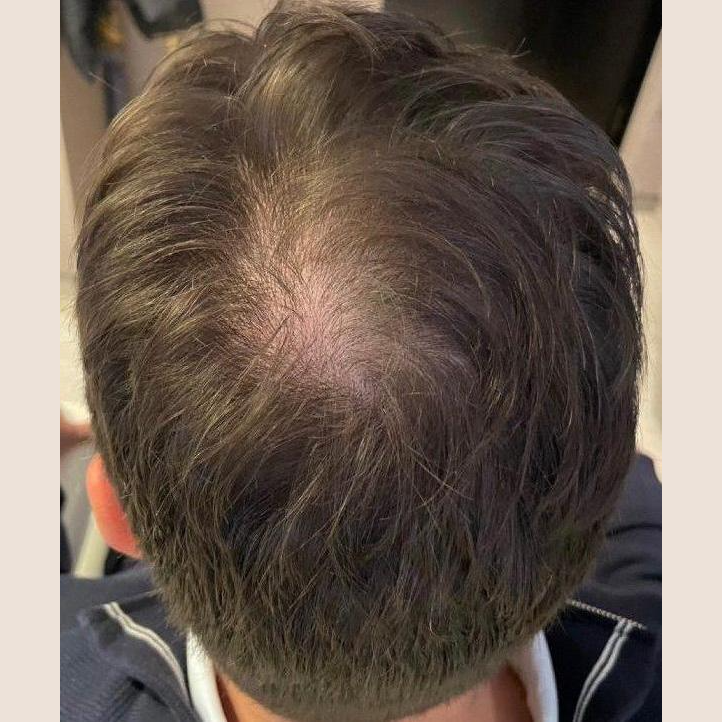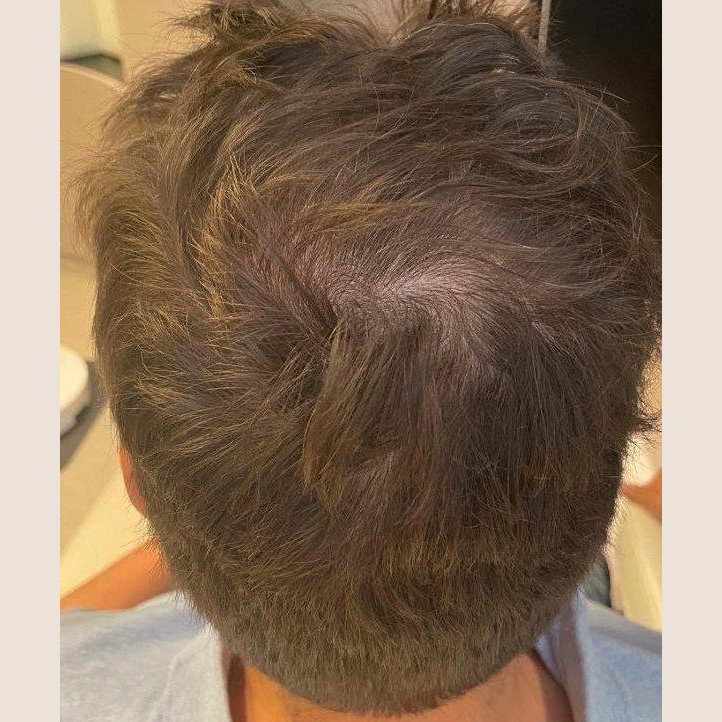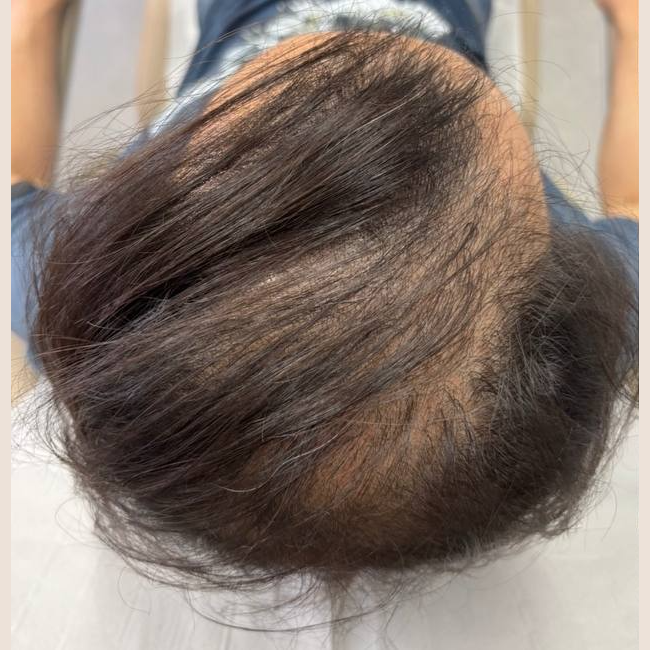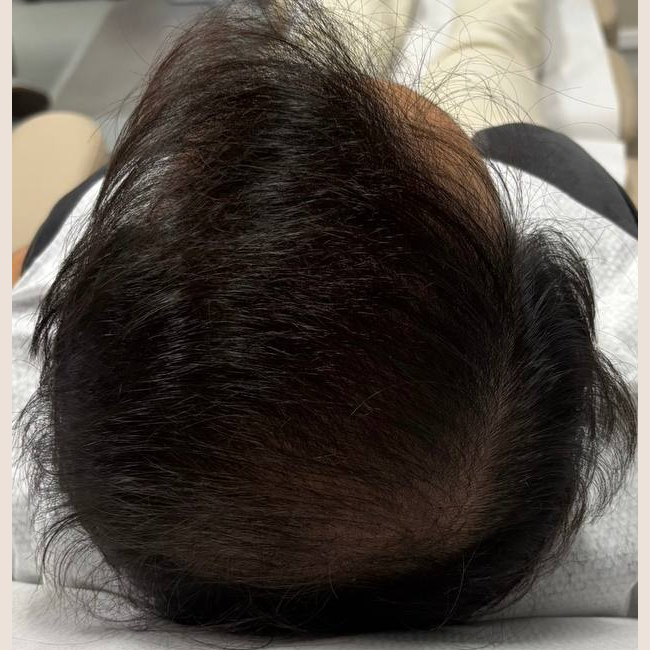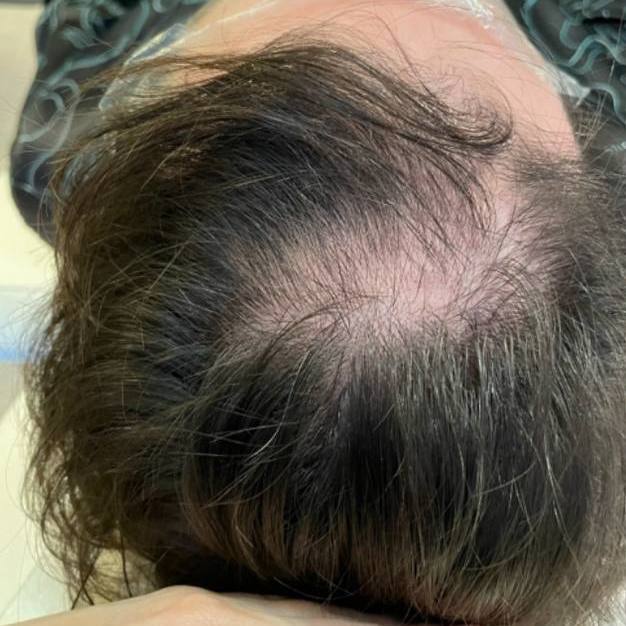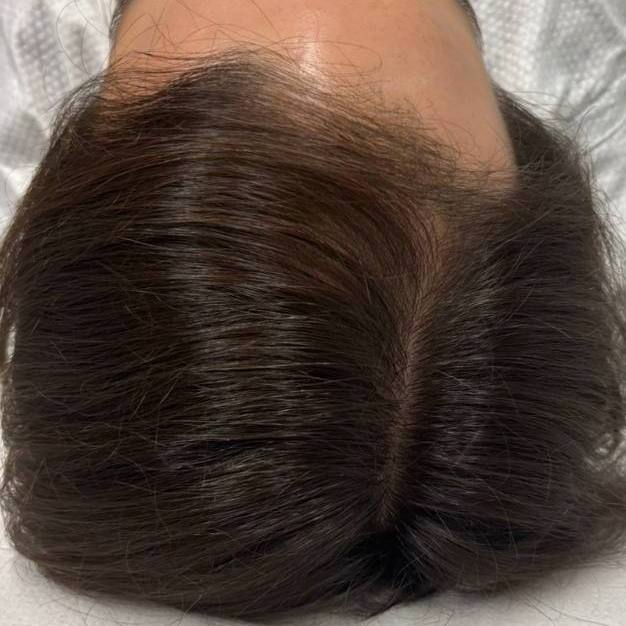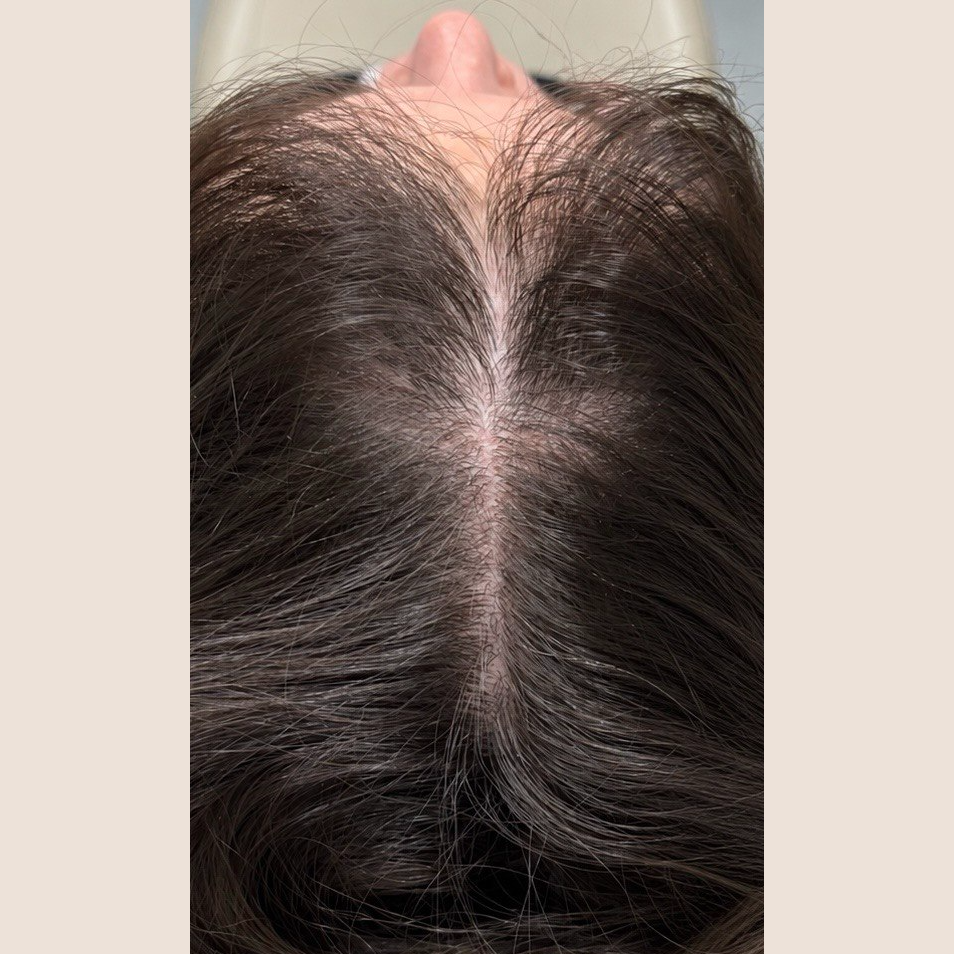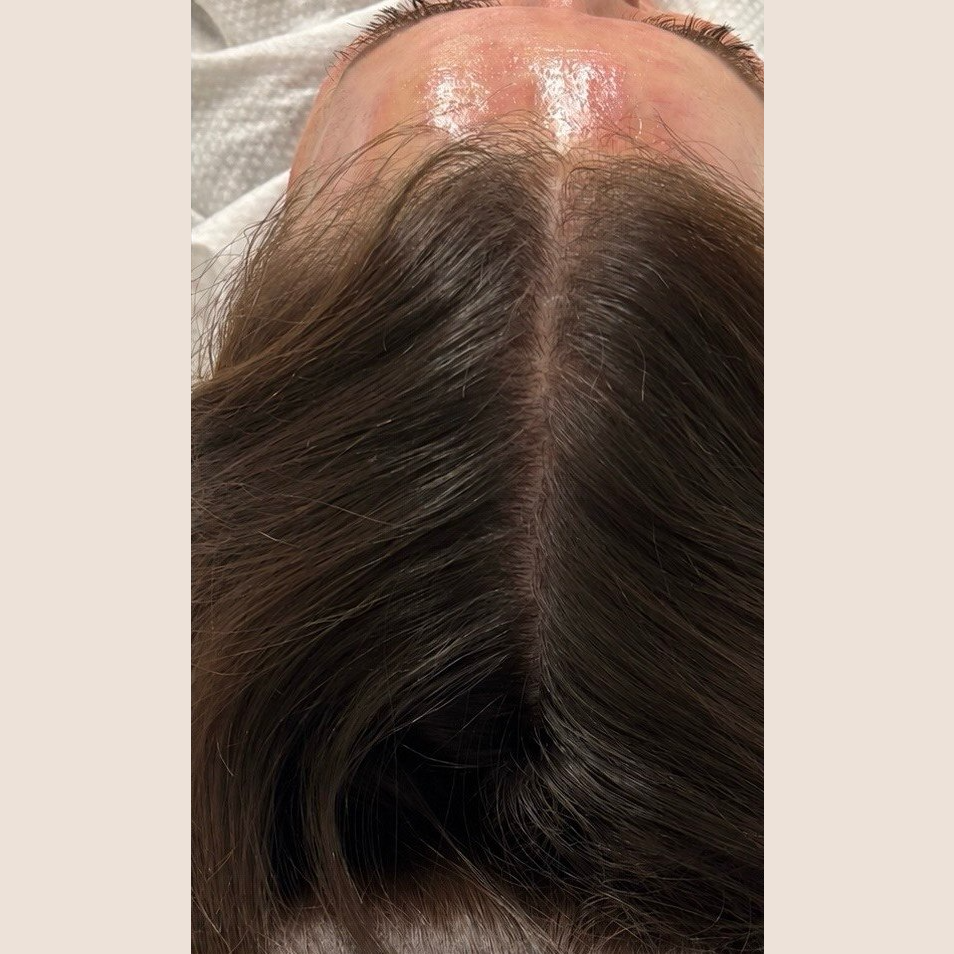
Every hair on your head grows in cycles: a long active growth phase, a short transition, and a resting phase before the hair sheds and a new one begins. At the base of each follicle sits the dermal papilla, a small cluster of specialised cells that acts as the follicle's control centre. It decides when a hair grows, how thick it becomes and how long it keeps growing.
Healthy follicles depend on a constant flow of signals. With age, hormonal changes, stress or inflammation, this communication weakens. The growth phase becomes shorter, the resting phase longer, and follicles gradually shrink, producing finer, weaker hairs until some stop producing visible hair at all. Importantly, many of these follicles are not gone. They are dormant, waiting for the right signals.
It starts with a simple blood draw, much like a routine blood test. Your plasma is separated and then passed through an advanced exosome filtration system, which isolates the exosomes from everything else. Within the same visit, you have a fresh, purified concentrate of your own cellular messengers, ready to use.
Your exosomes are then placed with precise micro-injections across the thinning areas, at the depth where the follicles sit. Once there, they deliver a clear message to the dermal papilla: get back to work. They activate the signalling pathways that switch follicles into the growth phase and help keep them there for longer. They encourage the formation of tiny new blood vessels around each follicle, improving the supply of oxygen and nutrients that growing hair depends on. And they calm the low-grade inflammation around the follicles that quietly accelerates thinning.
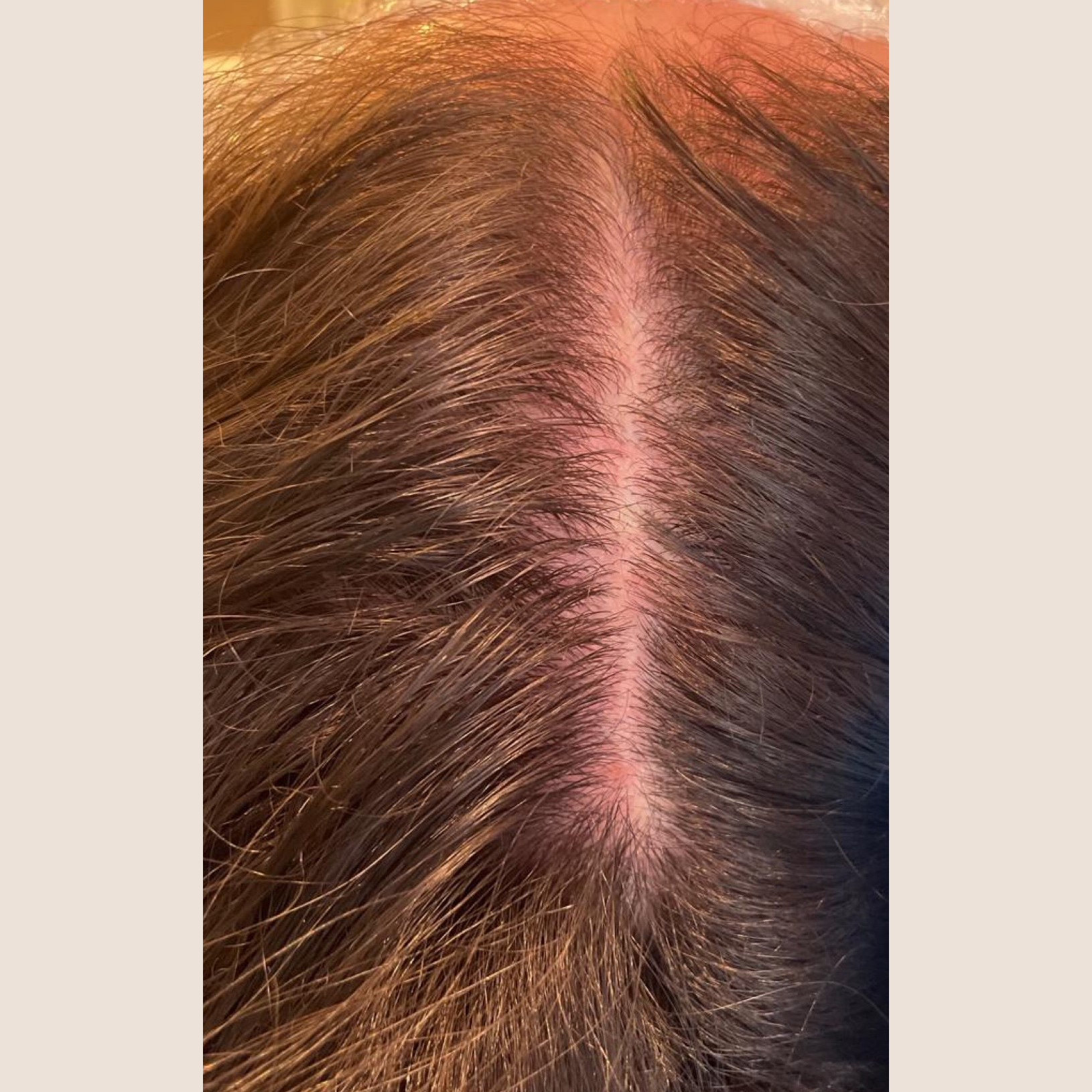
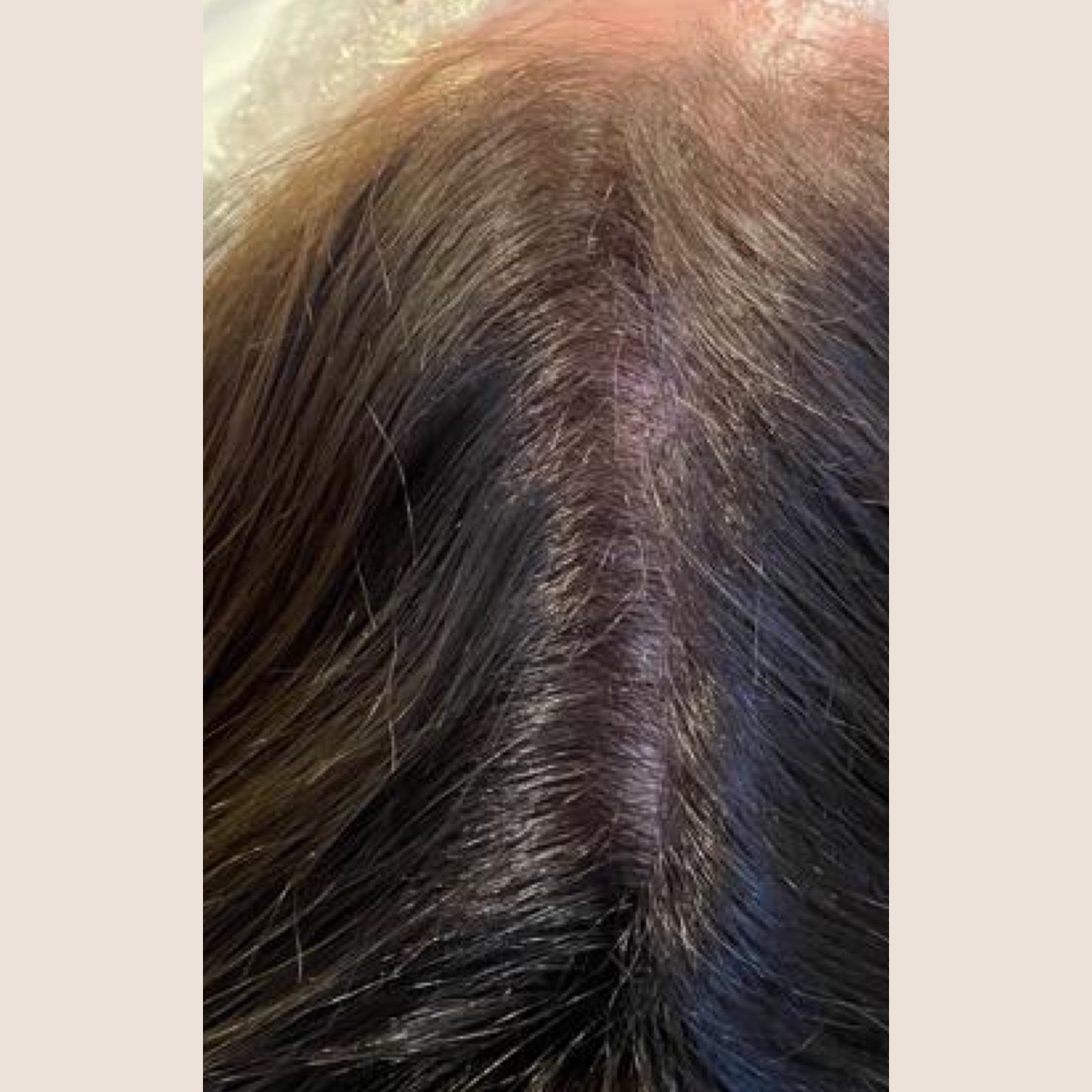
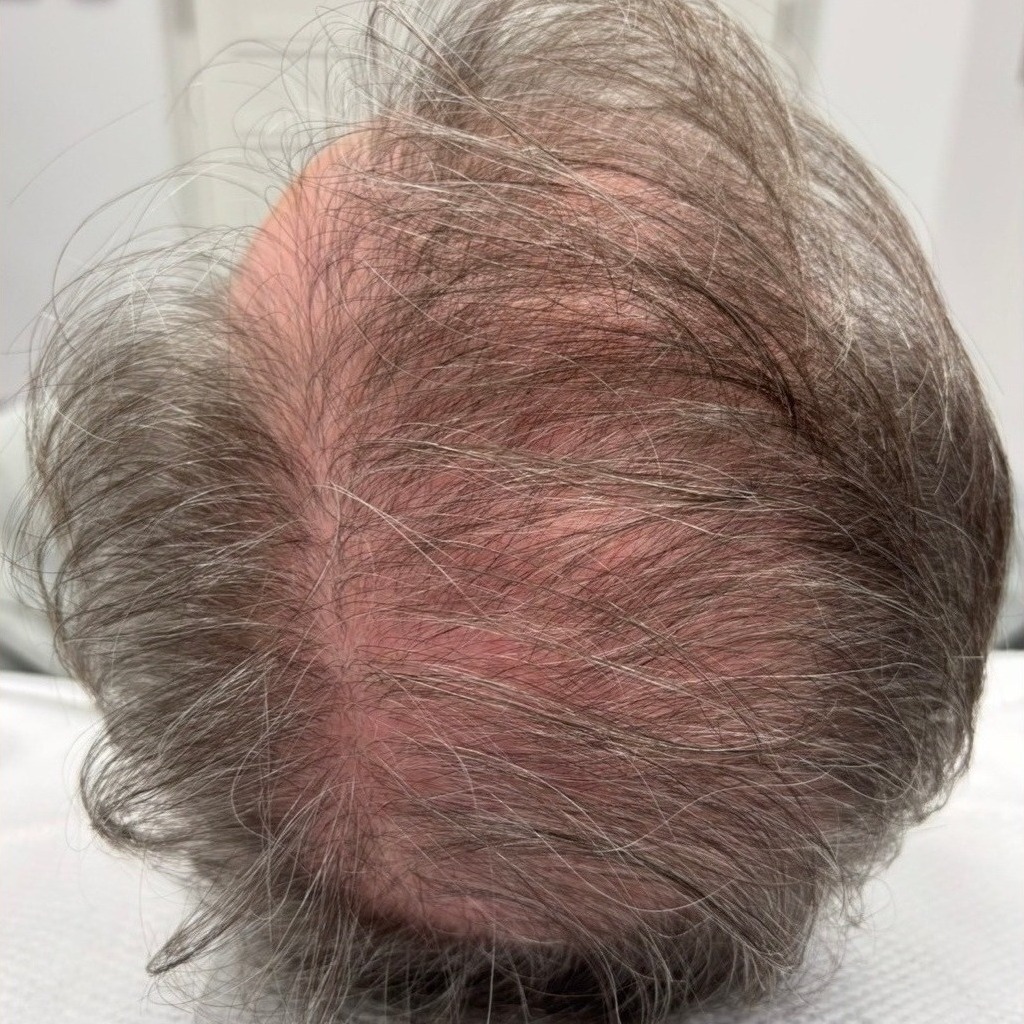
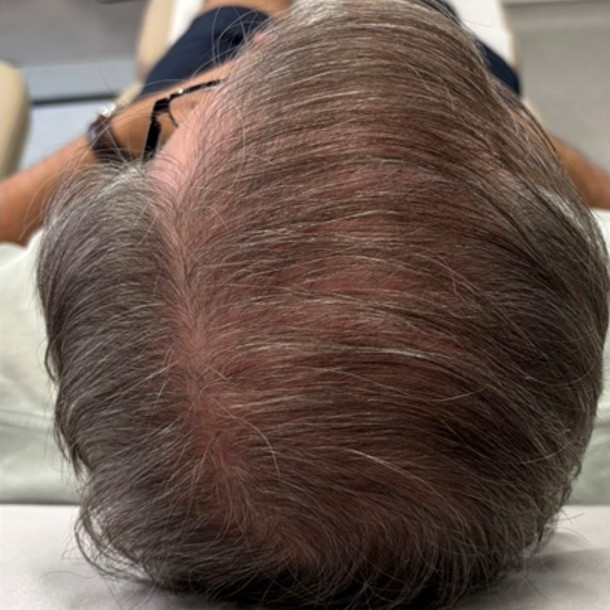
Over the following months, shedding slows, dormant follicles begin to produce new hairs, and existing hairs grow thicker and stronger. These aren't borrowed results. It's your own follicles responding to your own signals, just louder and better placed.
It's designed for men and women experiencing early to moderate hair thinning, including pattern hair loss, diffuse thinning, increased shedding after stress, illness or childbirth, and widening of the parting. It can also support recovery and density after a hair transplant.
After a small blood draw, your blood is centrifuged to separate the plasma. The plasma is then processed using an advanced exosome filtration system that isolates the exosome fraction into a purified, cell-free concentrate. The whole process takes place in the clinic during your visit.
PRP uses the whole platelet-rich portion of your plasma. Exosome treatment goes one step further: it isolates the signalling messengers themselves, which are thought to be behind much of PRP's regenerative effect. The result is a more refined, concentrated preparation focused directly on follicle communication.
Exosomes work by reactivating follicles that are weakened or dormant. Where follicles have been completely lost over many years, they cannot be recreated. This is why results are best when treatment begins at the first signs of thinning. Your doctor will assess your scalp and give you an honest view of what is achievable.
Hair loss often has internal causes, such as low iron stores, thyroid imbalance, vitamin deficiencies or hormonal changes. Identifying and correcting these alongside exosome treatment gives your follicles the best possible foundation for growth.
Yes. Exosome therapy can complement medical treatments prescribed by your doctor, as well as nutritional support and hair transplant surgery. Your doctor will design a plan that fits your individual pattern of hair loss.
Because they come from your own blood, there is no risk of rejection or reaction to donor material. Side effects are usually limited to mild scalp tenderness, redness or small injection marks, which settle within one to two days. You can usually wash your hair the following day. A doctor-led consultation is carried out before every course to confirm the treatment is right for you.
The treatment may not be suitable during pregnancy or breastfeeding, or if you have an active scalp infection, scarring forms of hair loss, a blood or platelet disorder, take blood-thinning medication, or are undergoing cancer treatment. Your doctor will review your medical history in detail.
Hair grows slowly, so results follow the natural hair cycle. Many patients notice reduced shedding within 6–8 weeks. New growth and improved density typically become visible after 3–4 months, with the full result developing over 6–12 months. Maintenance sessions every 6–12 months help preserve your results.