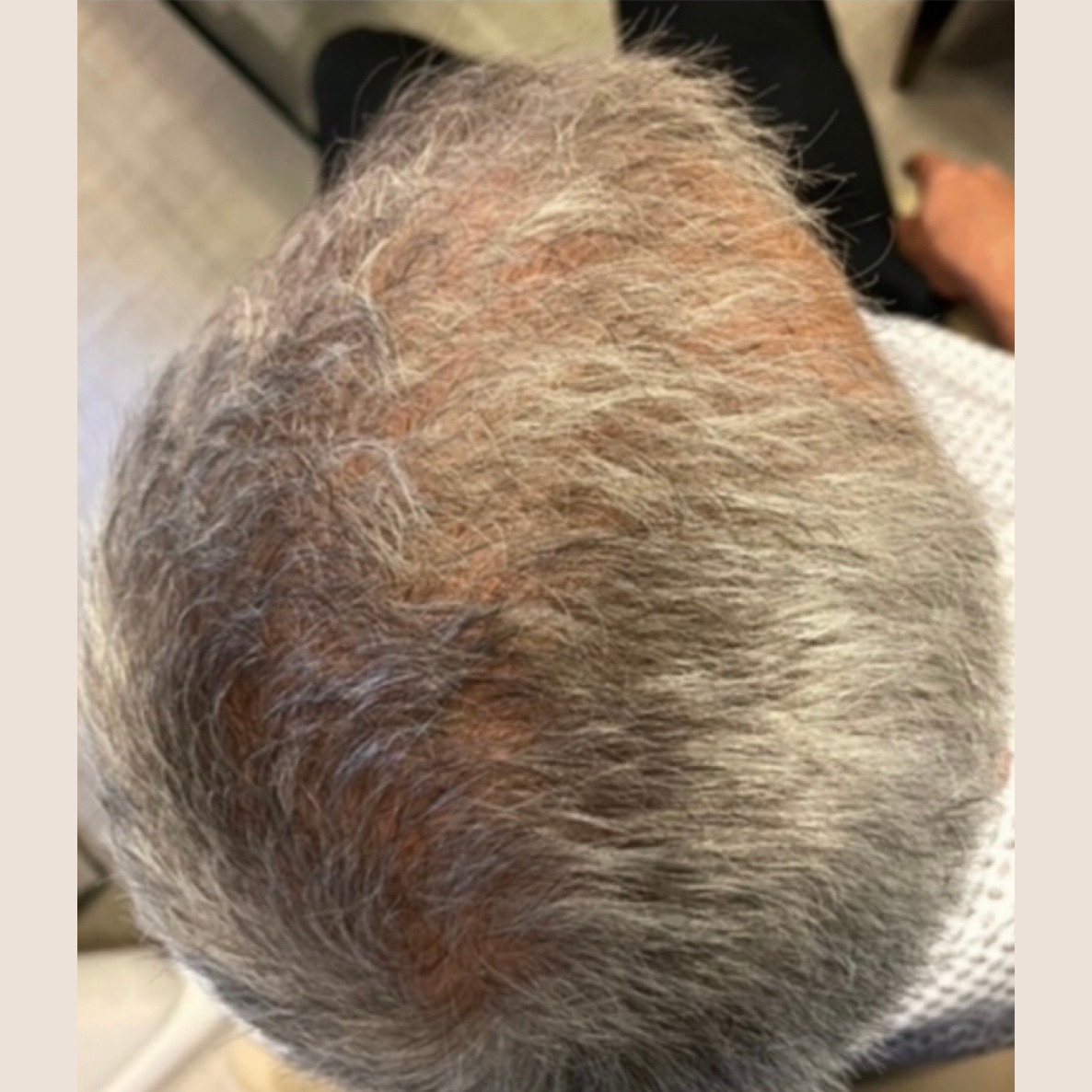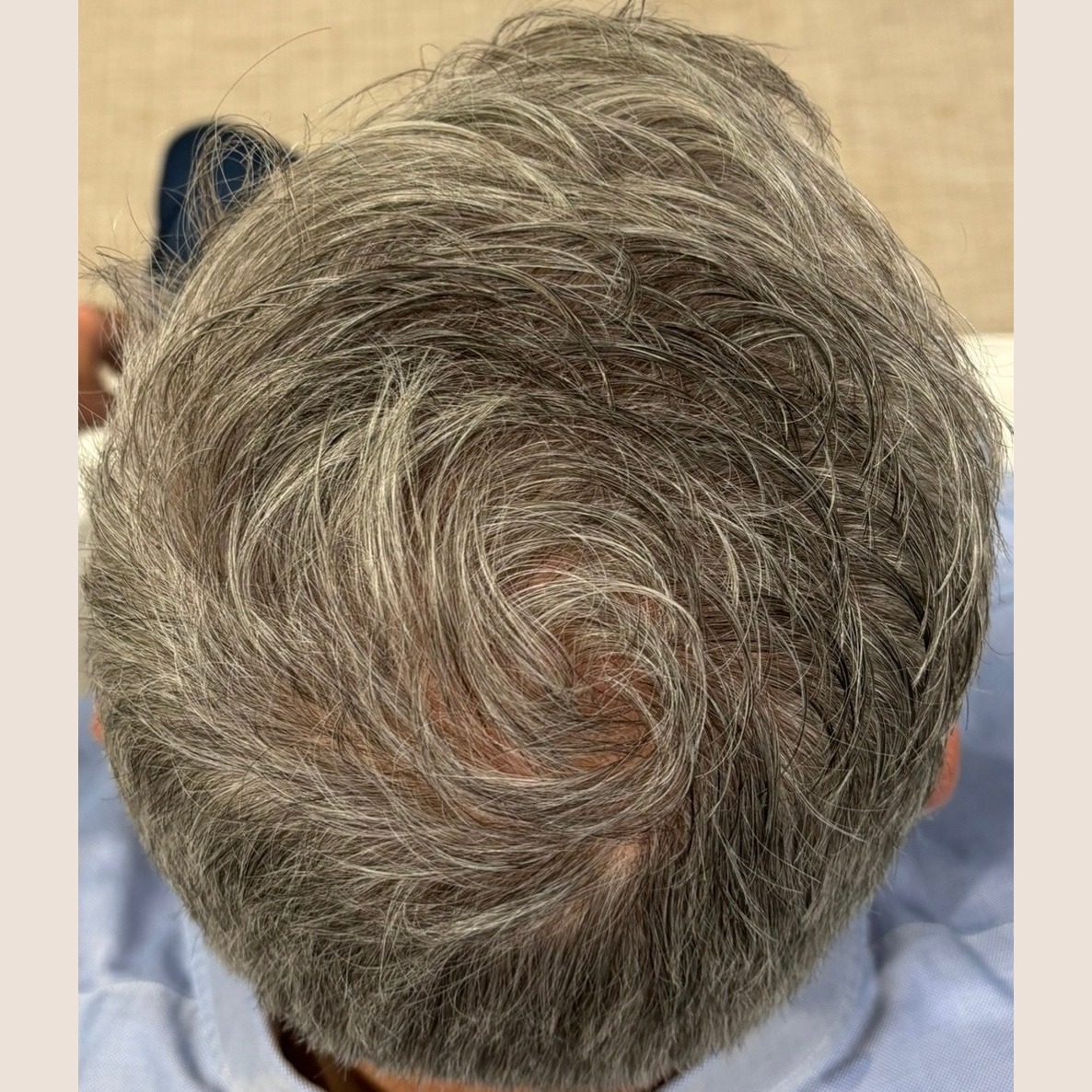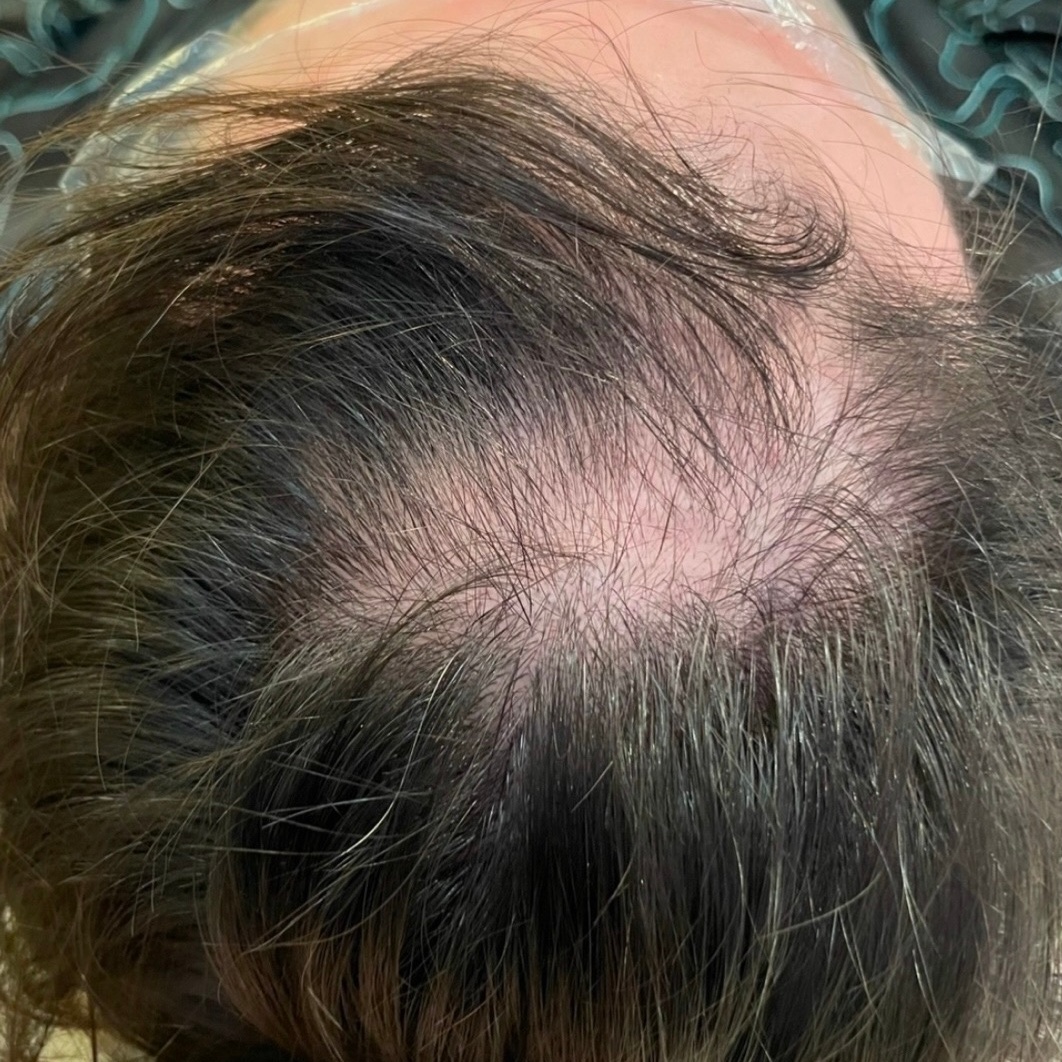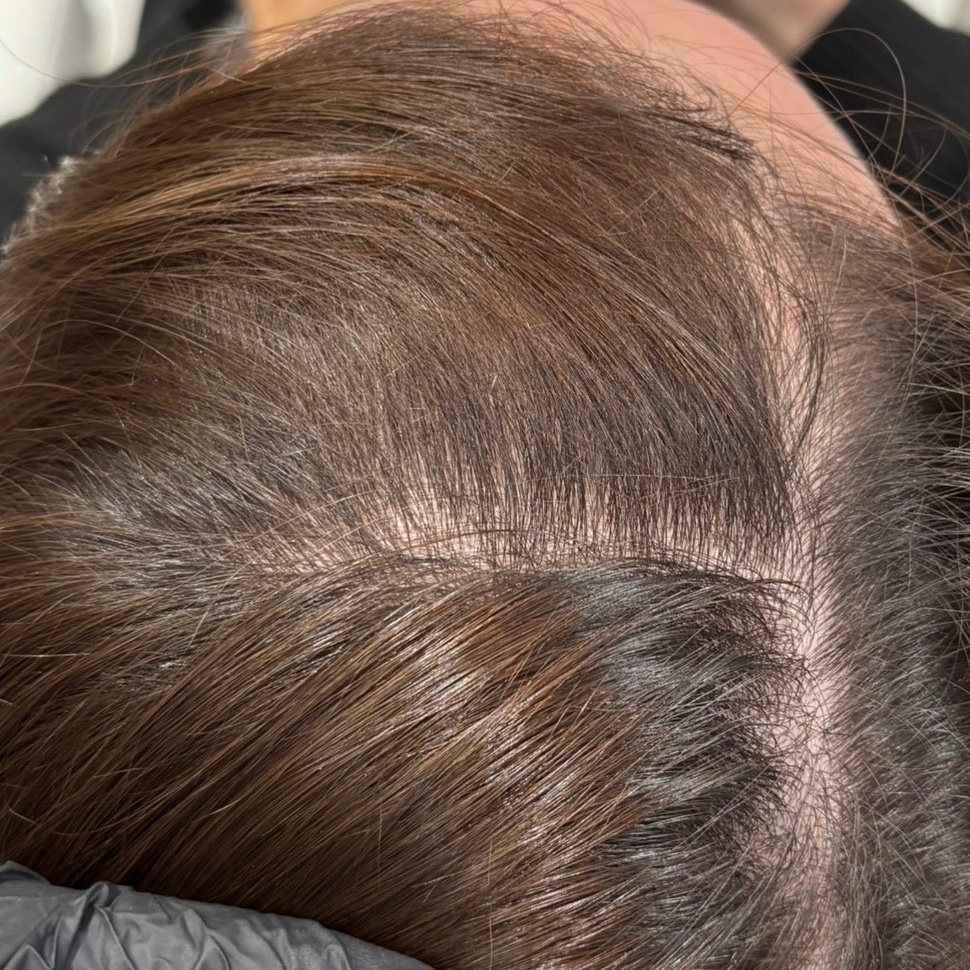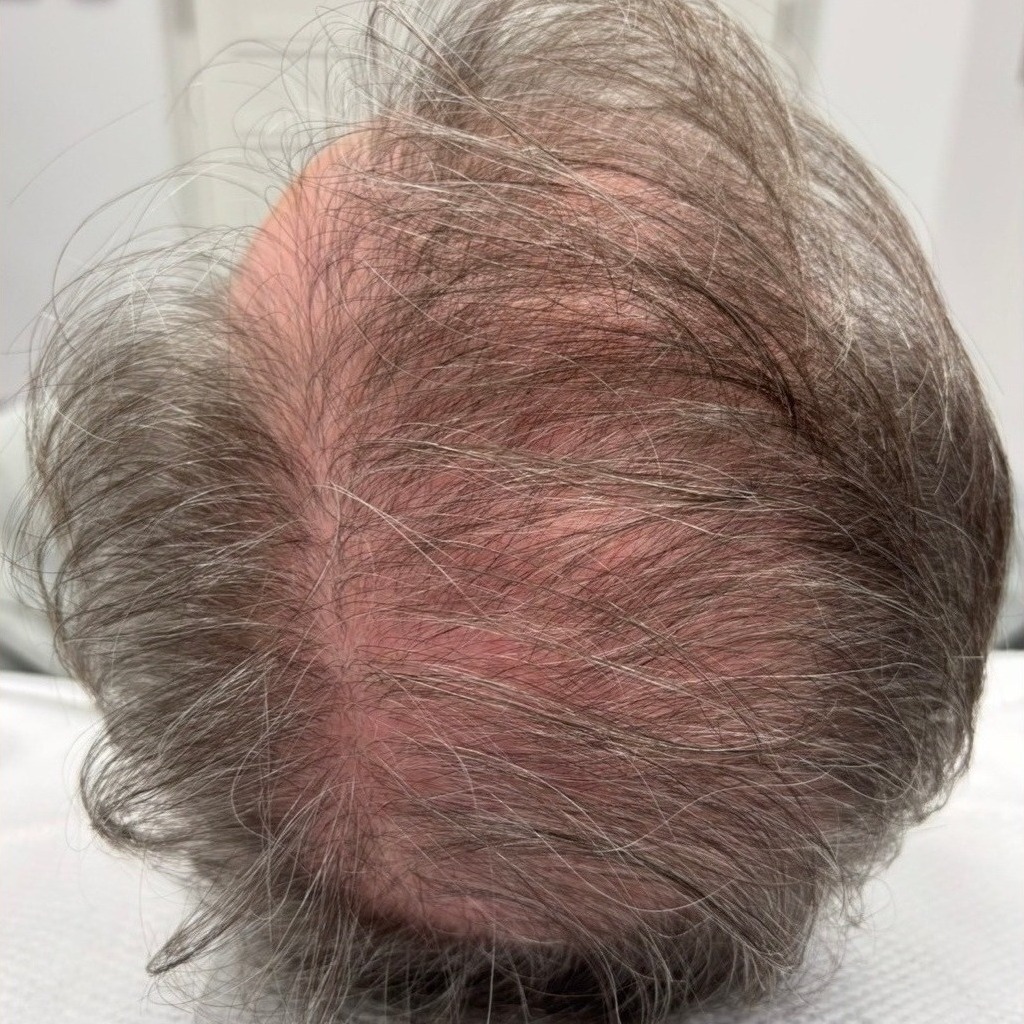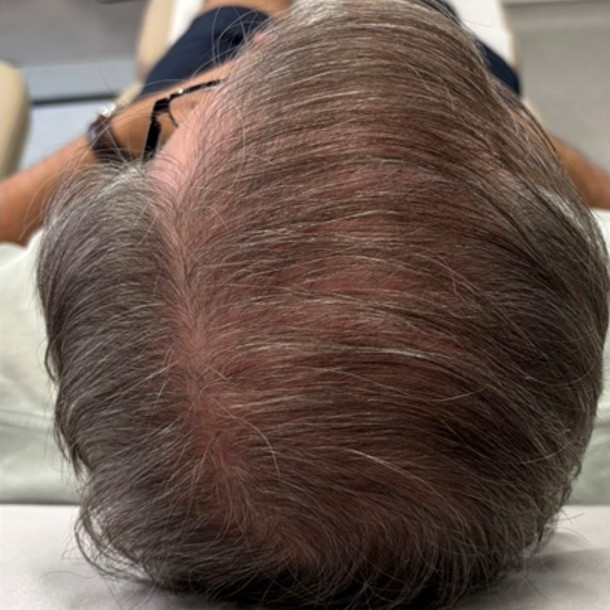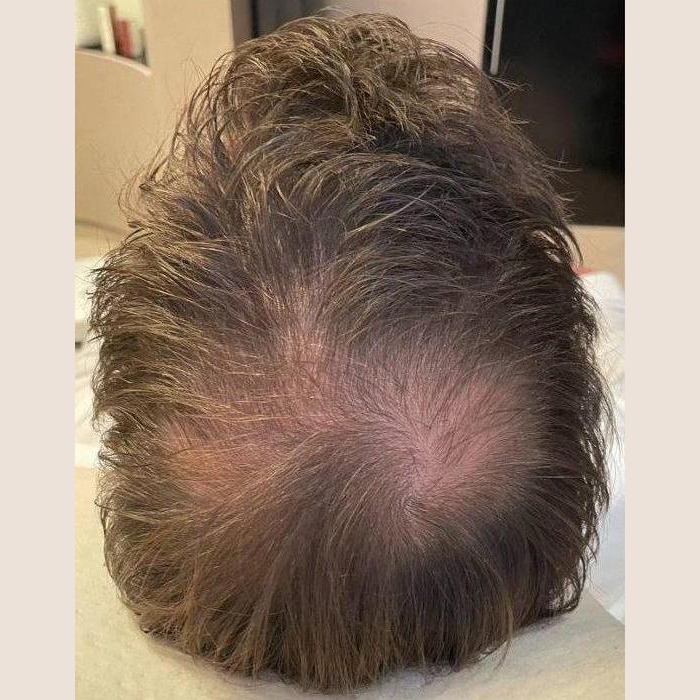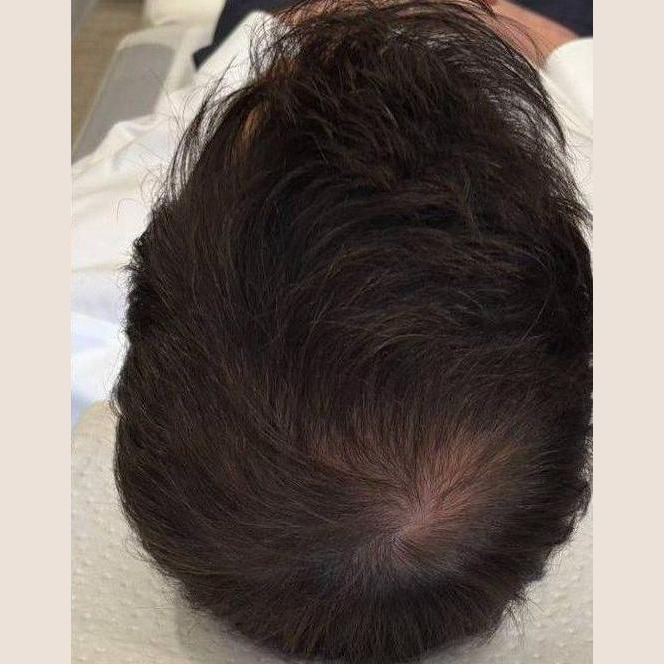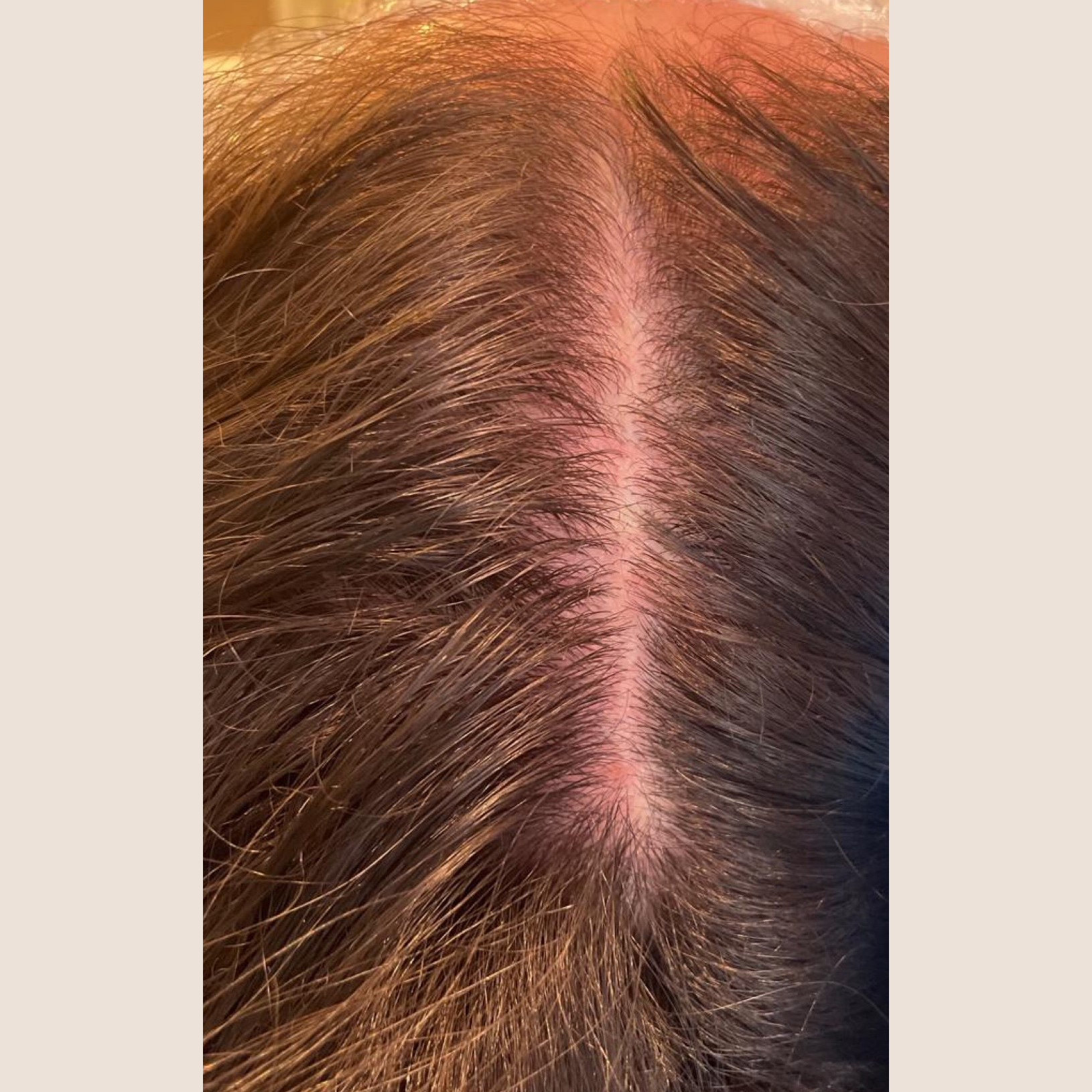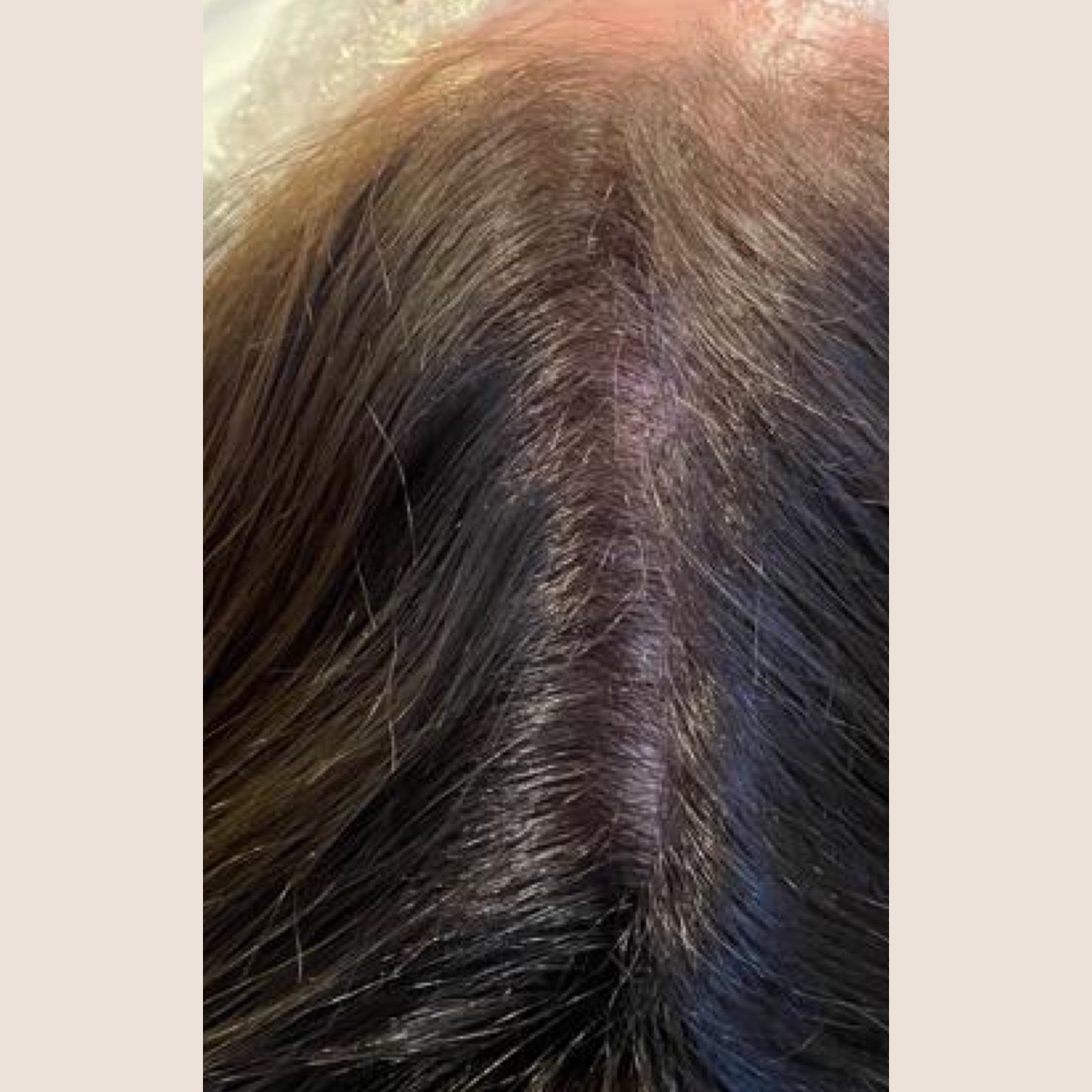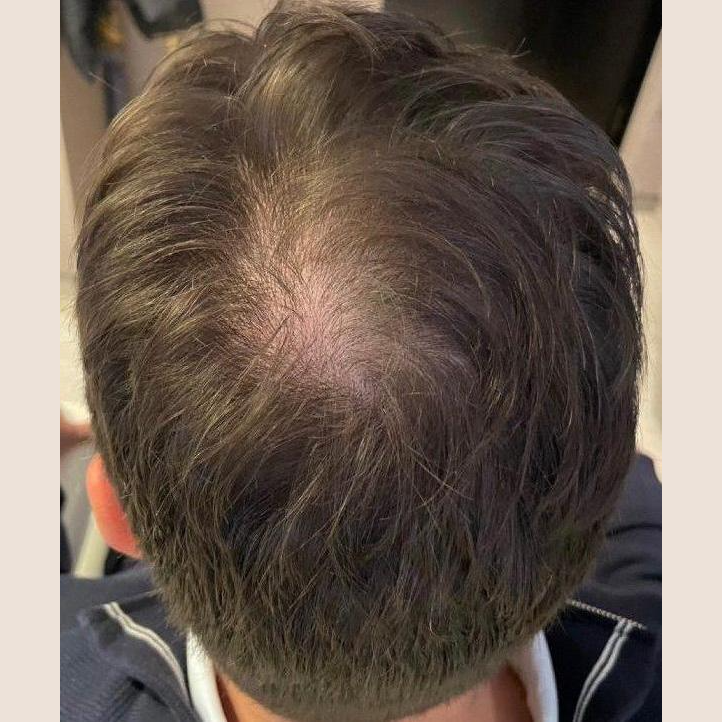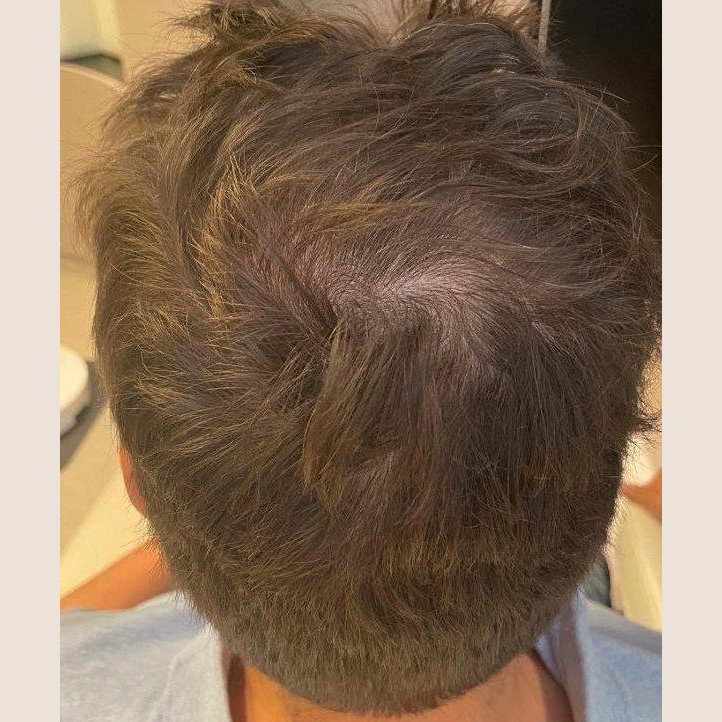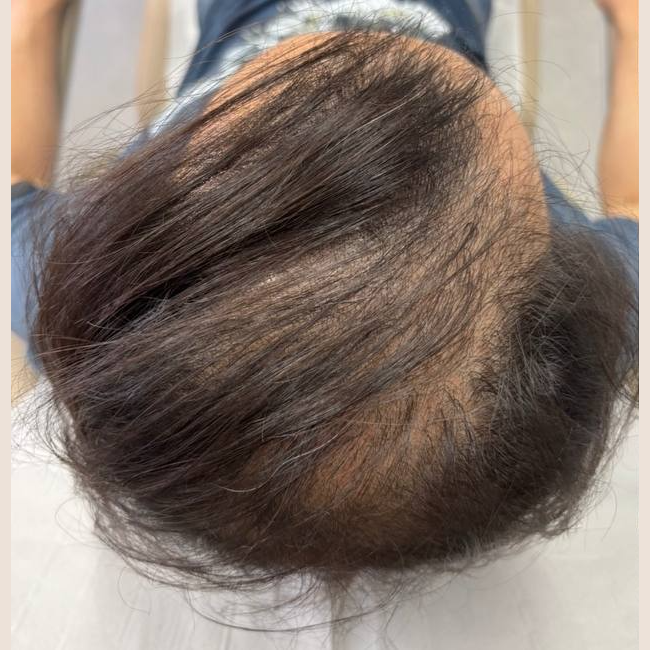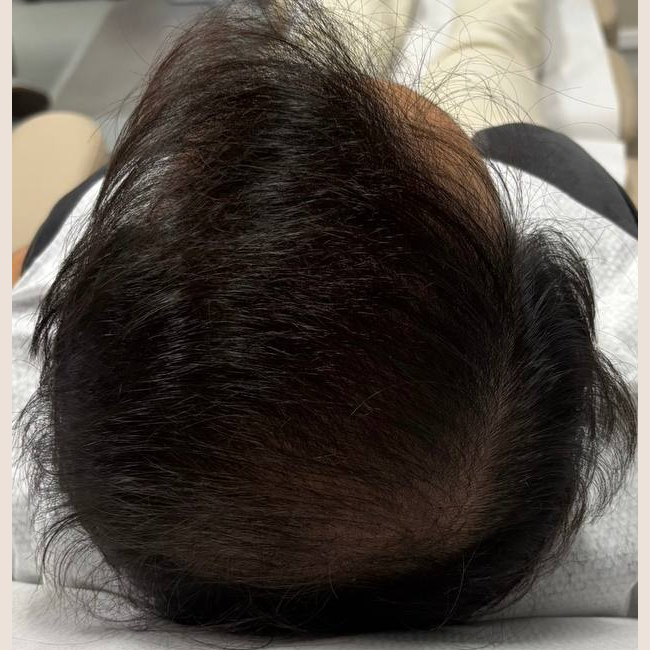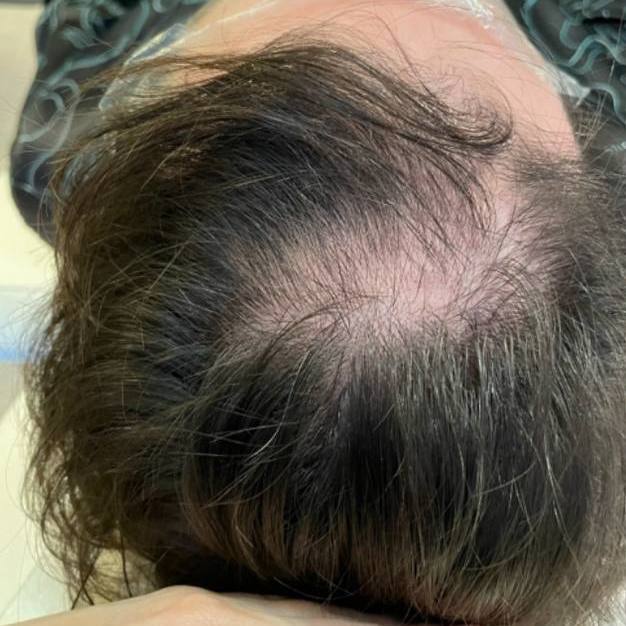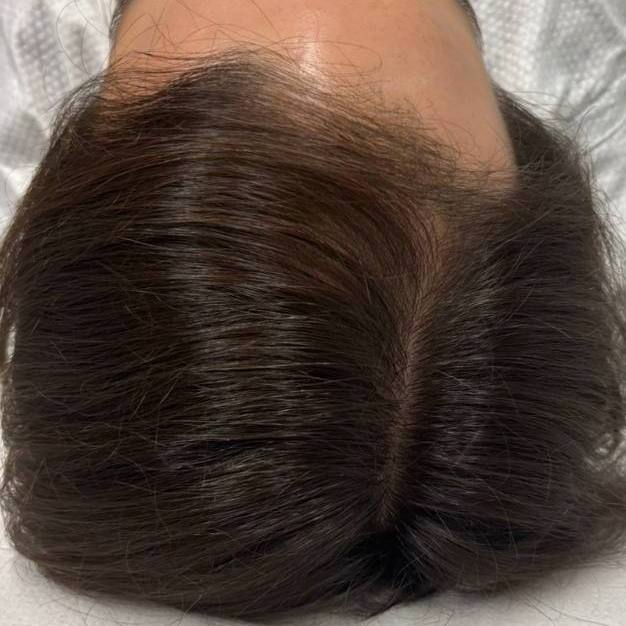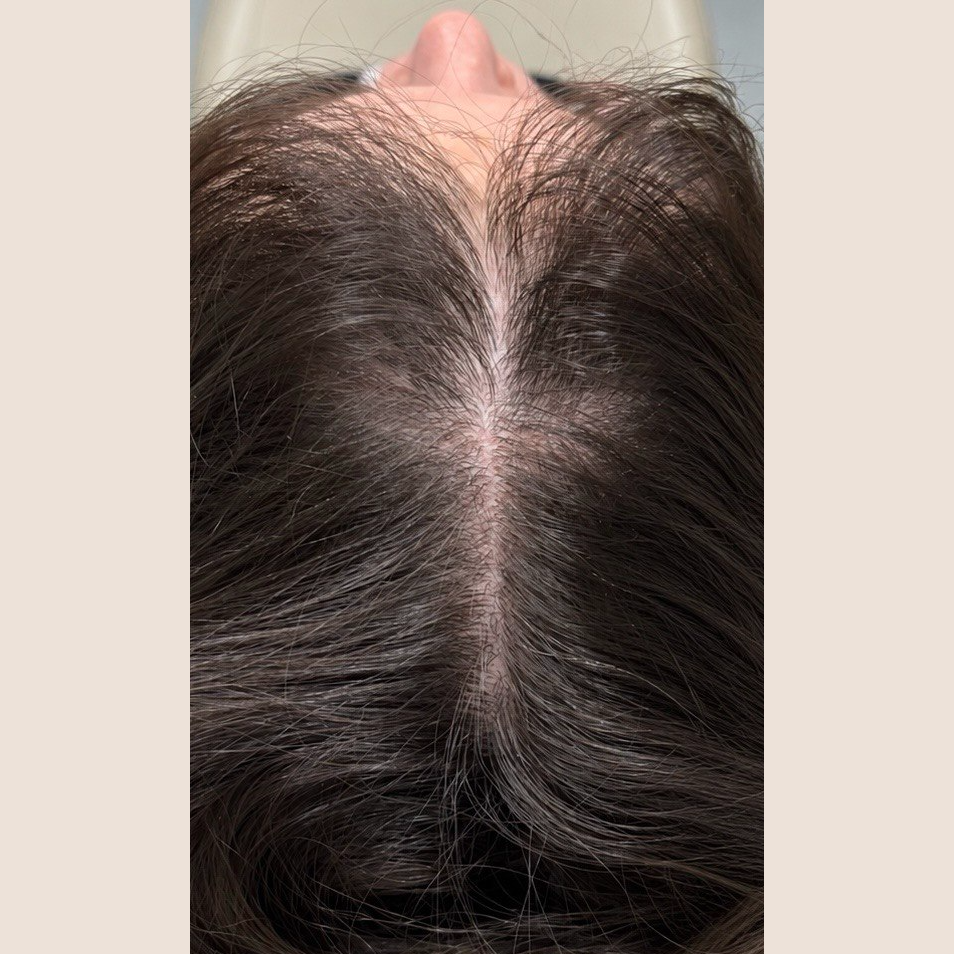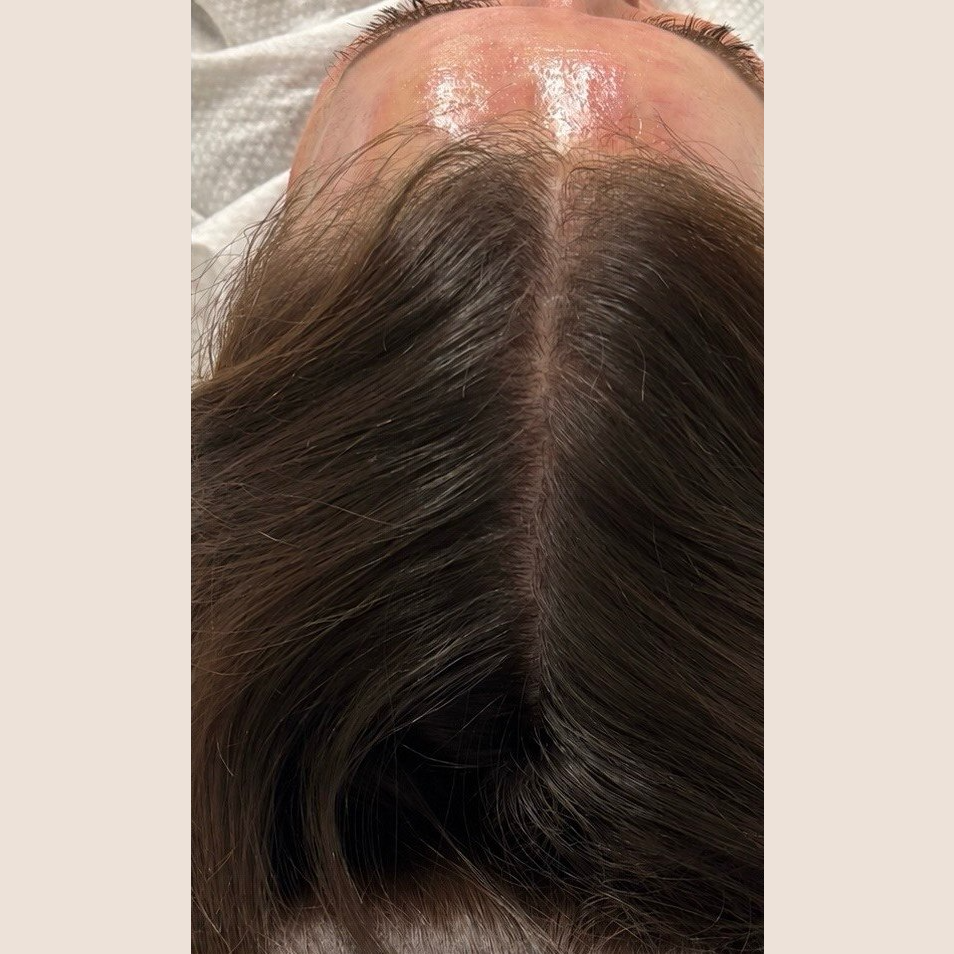
Every hair on your head is having a conversation with the cells around it — about whether to keep growing, when to rest, when to fall out. When that conversation breaks down, you see it as thinning, shedding, hair that just won’t grow the way it used to.
Exosomes carry growth factors, peptides, and signalling molecules that can support that cellular communication — helping create conditions in which follicles may function better. This isn’t about forcing a reaction; it’s about supporting the underlying environment so follicles have a better chance to do what they’re already capable of.
At YURON, we never inject exosomes. Every application is topical, delivered through microneedling or RFMN, creating controlled micro-channels that let exosomes reach exactly where they’re needed — precisely, safely, and predictably, in line with current regulatory standards for exosome-based products.
We often layer this with LED light therapy, which works through follicle cells’ own energy-producing structures, giving them additional energy that may help support their activity — and may also help the scalp respond more effectively to the exosome application. Together, this protocol is designed to support the biological environment your hair needs to reduce shedding and support healthier growth over time.
Exosomes are microscopic extracellular vesicles that act as biological messengers, carrying growth factors, peptides, and signalling molecules.
In hair treatment, they do not directly “stimulate” growth.
Instead, they help optimise the scalp and hair follicle environment, supporting cellular communication, reducing inflammation, and improving the conditions required for healthy follicle function and growth.
Exosomes can be derived from different sources, including human, animal, plant, or biomimetic (laboratory-engineered) origins.
At YURON, we use only high-quality biomimetic and selected animal-derived exosome systems, chosen for their stability, safety profile, and consistency.
We do not use human-derived exosomes, as these raise important concerns regarding donor variability, standardisation, and regulatory control.
We also do not rely on plant-derived exosomes, as their biological relevance to human tissue and follicular signalling is more limited.
Our focus is on controlled, reproducible formulations that allow for predictable clinical application.
Exosome therapy works gradually by influencing the scalp environment.
Patients may notice improvements in scalp condition, reduced shedding and hair quality within a few weeks, while changes in hair density and growth typically develop over 3–6 months, depending on the treatment plan.
At YURON, we do not offer isolated procedures.
Exosome therapy is used within a diagnostics-led, personalised regeneration strategy, based on:
• genetic and biomarker analysis
• hormonal and metabolic assessment
• individual hair loss patterns
This ensures that treatment is targeted, controlled, and medically grounded, rather than protocol-driven.
This treatment may not be appropriate in cases of:
• advanced scarring alopecia
• complete follicular inactivity
• untreated underlying medical conditions
A consultation is required to determine suitability.
No. Hair regeneration is a biological process, not a one-time intervention.
A course of treatments is required to progressively influence the follicular environment and achieve meaningful results.
Exosomes are not necessarily “better” than PRP, but they work in a different and more targeted way at the cellular level.
PRP delivers a concentrated dose of your own growth factors, which act as a biological stimulus — helping activate repair, improve blood supply, and support hair follicles.
Exosomes work differently.
They act as cell-to-cell messengers, carrying not only growth factors, but also regulatory signals (such as microRNA) that can influence how cells behave.
In simple terms, instead of just “stimulating” the tissue, exosomes help coordinate and regulate multiple processes at once.
In the scalp, this includes:
• supporting activation of hair follicles
• improving cell survival and function
• promoting healthy cell turnover
• helping balance inflammation and tissue response
• supporting microcirculation around the follicle
Another important difference is consistency.
PRP depends on the patient’s own blood quality, which can vary.
Exosomes, when well-produced, offer a more controlled and stable signalling profile, while PRP uses your body’s own growth factors, making it a natural and biocompatible.